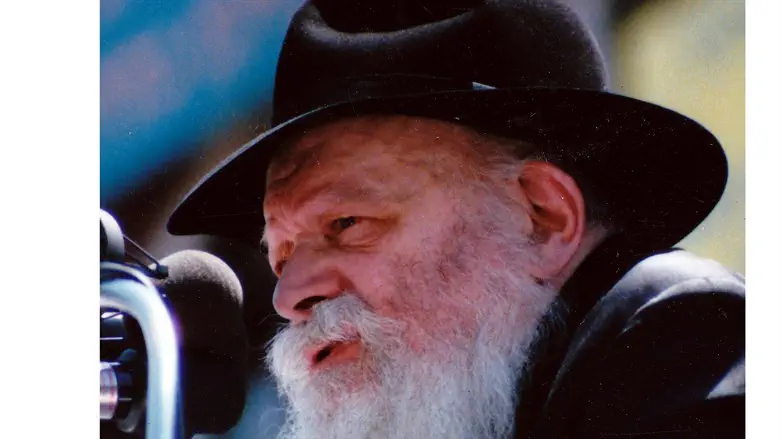
Rabbi Menachem M. Schneerson::
Dark energy, Chasidut, and Human struggle.
Dark Energy and Divine Light: A Hasidic framework for the structure of Reality.

The Israeli and Diaspora reading cycles conclude their brief divergence this week.
When we pray be'emet, 'in Truth' we aspire to uncover the inner meaning of our existence, the very essence of our lives.

Chukat is the saddest parasha in the entire Torah. And Parashat Balak contains a fascinating and unusual story that illustrates how Jew-hatred is deeply rooted in human existence.
The Gemara concludes that ultimately all of the intended curses of Biilaam were realised. The only exception was the curse behind Mah Tovu.
When outside forces try to tie our hands or misread our enemies, our only true defense is our internal clarity, our own independent strength, and our deep faith in Netzach Yisrael.

Israel's true strength lies not in military might or international support, but in faith in Hashem and spiritual resolve.
Human knowledge is the ingredient that can change Reality.

In Parashat Chukat, Moshe reacts to the people's complaints, not as God's messenger but as a (hurt) individual.
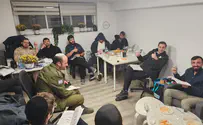
The historic weathervane is turning slowly, but surely, in the direction of a Torah orientated Medina.
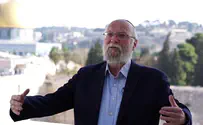
‘To what can the matter be likened? To that of the king’s cook, who knows the amount of the outlays of the king, for his table.’
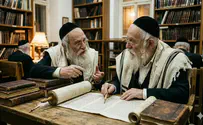
There is no doubt that the current war has led many to strengthen spiritually, like those synagogues and study halls that stood by Israel against Balaam and Balak.
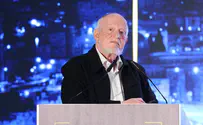
Not slogans. Not gestures. Not hollow religiosity. But a life rooted in moral seriousness, compassion and humility before Heaven. It is written plain and clear.

Balaam gazed upon Israel and uttered words that would echo across centuries of Jewish history:“People that shall dwell alone and will not be reckoned among the nations." He was describing not merely a geopolitical reality but an existential condition.
We must not turn a localized failure into a national collapse. We must not allow voices of fear, despair, and surrender to lead Israel.
The enemies of Israel who seek to dispossess us of our Land and destroy us, understand what Balak and Bilaam understood - that as long as Israel is united they cannot overcome us. Therefore, they make great efforts to drive a wedge and create division within Israel.
One recites Shehechiyanu for any Mitzvah that contains both joy and a physical benefit.
Focused on the triangular relationship between rabbis, journalists and the public and based on the author's thorough research, this is a book that analyses each group’s role in influencing the agenda around religion in Israel. Review.
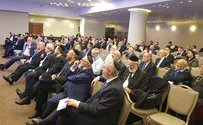
The blessing that God brings to a person comes through that person’s diligence in his work. Idleness from work involves Torah prohibitions and desecration of God’s name.
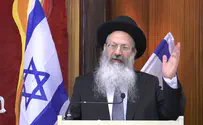
Jonathan said you have to serve G-d with happiness from aleph to tof, from the whole gamut of life, from the beginning to the end.

We must be proud and stand up against our enemies with courage.
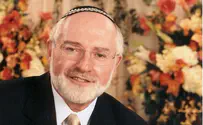
The Tanya compacts four millennia of Jewish wisdom to answer the great personal and existential questions of life. It has revolutionized the way we think about G -d the human soul, the world and our place in it.
Political outcomes may appear stable, but in truth they are far more fluid than they seem.
The breadth and depth of knowledge required for true Torah scholarship must come at the expense of pleasures and leisure activities that are acceptable for the general population.
Moses is told in this parasha that he wiil not bring the Israelites into the Land. How do commentators explain that?

Read the prediction of historical magnitude in Yalkut Shimoni that was often quoted by the Rebbe and is eerily applicable to this period, a very difficult one for the Jewish People, but also a time of great light.
Is there a connection between the three, all involving heifers?

One of the central questions arising from the Parasha is how a single individual managed to sweep away such a large and significant group and get them to rebel against Moshe.

The modern State of Israel did not create the Jewish connection to the land. It restored Jewish sovereignty in the birthplace of Jewish civilization. A similar argument is made to the Ammonites in the Haftorah.

Amalek fought against Israel for no reason other than hatred of Israel and a desire to harm and destroy the Jewish People, just like Iran today.
Where in the Torah do we find an example of the worst possible argument?
After years of experiencing miracles, they had stopped noticing them.

This week's parsha shows the need to praise God for miracles - from the days of the wilderness to our own times.
A Rabbinic reflection on Alliances, Appeasement and Bitachon.
Tradition has it that this is the day Joshua told the sun to stand still. But why?

Korach’s downfall was caused by virtue of the fact that he did not perceive his children’s ultimate destiny
Tzvi Fishman interviews Rabbi David Samson on the idea that everyone can connect to his letter in the Torah as brought in the thought of Rabbi Kook.

The quality of the morning’s program is one of the many reasons women living in Eretz Yisrael find so much meaning in daily life. Come join them!
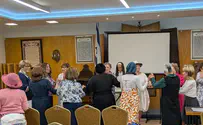
Conflicts in Jewish history are arguments between individuals, between tribes, and in society at large.
Why would Korach tarnish his movement by aligning with known troublemakers and negative forces? The answer recurs throughout our history.
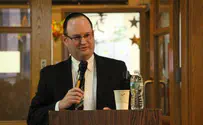
Due to the expansion of Torah content, today's rabbis are required to devote all their days to study, but he who is not in a rabbinical or educational role does not act in accordance with Torah guidance when he evades the responsibility of supporting himself.
Who can make pure from impure? Soemone who says “One No," a first and final negative.

Korah's sin is not the desert's alone, but a contagious disease that also affects Torah scholars seeking to get by 'without a rabbi'.
Concern about spiritual risk cannot become a universal license to transfer physical risk to other Jews.

We learn from this Parasha, read in Israel this past Shabbat and next week in the Diaspora, the required lofty level of the leader of our people to guard himself against any suggestion of benefitting personally from his office.

Not every leader or judge maintains the standards of integrity that his public office demands.
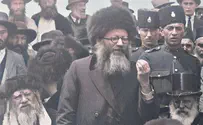
Human beings possess a remarkable ability to convince themselves that selfish motives are actually noble ones.
The corrective response to the spies came through the generations that followed them, a brave generation who conquered the Land, settled it, and established in it a glorious kingdom.
The generation of the spies measured the Land and saw a threat; this generation, passing through fire, has begun to measure itself and to ask what it is here for.

Why were the Spies condemned for reporting the facts? Dancing to the beat of hope, not despair
In my experience, some non-sighted people actually have a far greater depth of perception than those who are sighted.

Moshe felt the need to pray for Yehoshua to, despite his humility, understand the bigger picture
Korach challenged the appointment system, arguing that positions should follow birth order.
There are the “Korachs" among us who preach that the Medina is a mere political entity, a temporary historical quirk which has no bearing on the God-Yisrael relationship.
We can but look in despair at Jewish communities throughout the world, and ask: Is there a single Rabbi who reaches the level of Korach, Datan, and Aviram, the Tzaddikim of the Sinai Desert, who were plunged into such despair at being deprived of the Land of Israel that they lost all faith?

Am Yisrael does not only operate in terms of practical considerations. An important religious element is involved in political developments.
Torah is called Shalom and has the power to bring peace between the neshamah, soul, and guf, body.

Futures are built through achievement, through education, through leadership. Through the willingness to stand proudly and publicly as who we are. These people did just that.

Moses, Aaron and Samuel neither sought power nor exploited it. They served the people with humility and sacrifice.
Human beings rarely become resolute in their positions solely due to a perfect and brilliant logical argument. Korach knew that.