
“Blessed shall you be in the city, and blessed shall you be in the field” (Deuteronomy 28:3).
The verse is seemingly out of order. A city prospers when crops in the field grow in abundance and everyone has plenty to eat. So why do the words “blessed shall you be in the field” appear second in this passuk?
Rav Samson Raphael Hirsch answers that although fields seem to bring blessings to cities, the reverse is actually true (at least in the Land of Israel). Cities bring blessings to fields. How so? He explains:
G-d only blesses our fields if our “family life and [our] social life” - represented by cities, the centers of human activity - rest on “the principles of morality, justice, and brotherly love.” Only then does He bless us with material abundance since He knows we will use this abundance properly.
He knows our children - “born for a moral, honest, and righteous human life” - will use the gifts of nature “for the purposes of a free-willed dutiful human life” such that the blessings of the earth become “elevated and ennobled.”
So economic cause and effect are actually reversed. Productivity doesn’t bring blessings to mankind. Mankind brings blessings to productivity.
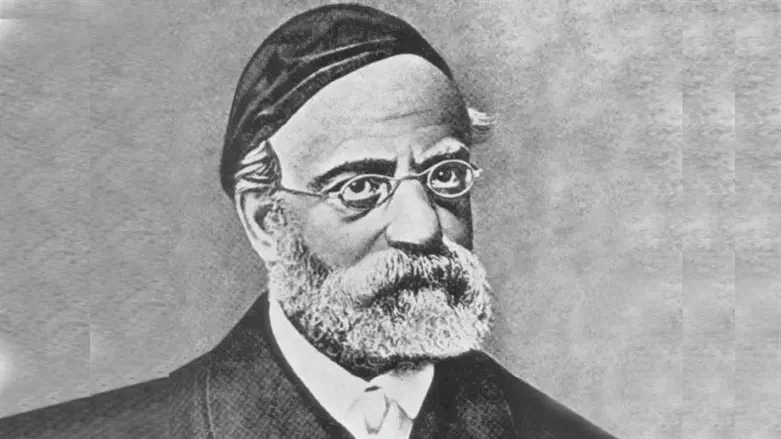
Rav Samson Raphael Hirsch (1808-1888) - head of the Jewish community in Frankfurt, Germany for over 35 years - was a prolific writer whose ideas, passion, and brilliance helped save German Jewry from the onslaught of modernity.
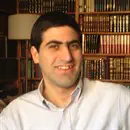
Elliot Resnick, PhD, is the host of “The Elliot Resnick Show” and the editor of “The Rav Samson Raphael Hirsch Dictionary.”
...