

“And Yitzchak loved Esav…and Rivkah loved Yaakov” (Bereishis 25:28).
How do we explain these feelings? Why was Yitzchak’s heart so drawn to Esav and Rivkah’s to Yaakov?
Rav Samson Raphael Hirsch suggests that this enigma can “easily be explained by the attraction of opposites.” Yitzchak was something of a recluse. Unlike his father, he was not a man of the world. As Rav Hirsch writes, we “see Yitzchak…preferring to withdraw from the bustle of the world and to live quietly in the proximity of the desert.” (Indeed, we barely even know him as he says very few words in Chumash.)
As a young man, Yaakov was just like Yitzchak, studying diligently, uninterested in worldly affairs. Yitzchak appreciated Yaakov, but he especially appreciated Esav since the latter possessed a “lusty active nature” that he lacked within himself.
Rivkah, in contrast, saw no allure in this feature of her older son. She had grown up with and was well familiar with Esav types - her brother was Lavan, after all. What she wasn’t familiar with was someone like Yaakov. Simple, studious, and straightforward. She had never known someone like him growing up and was therefore enamored of him.
Thus, “the sympathies [of Yitzchak and Rivkah] are explainable,” writes Rav Hirsch, but they made a mistake in letting these feelings affect their behavior. Parents “should not allow such hidden feelings to influence them in making any difference in their love towards their children.”
“Unity and complete agreement of parents in the education, and the same feelings and love to all their children…that is the first fundamental condition and cornerstone of every education.”
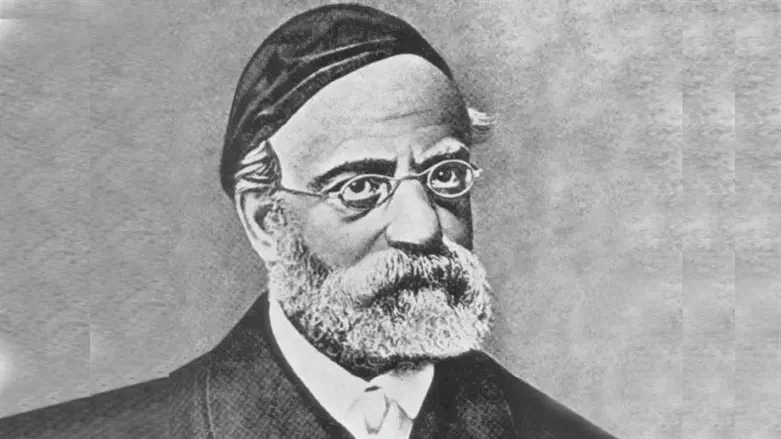
Rav Samson Raphael Hirsch (1808-1888) - head of the Jewish community in Frankfurt, Germany for over 35 years - was a prolific writer whose ideas, passion, and brilliance helped save German Jewry from the onslaught of modernity.
Elliot Resnick, PhD, is the author/editor of 10 books, including “The Rav Samson Raphael Hirsch Dictionary.”
...