
Parshat Mishpatim
Mistreating a widow is idol worship?
We find 3 mitzvahs with no clear connection between them: don't make offerings to idols, don't mistreat a Ger, and don't mistreat widows.
We find 3 mitzvahs with no clear connection between them: don't make offerings to idols, don't mistreat a Ger, and don't mistreat widows.
We have an image of what happened at Sinai: Moshe at the top of the mountain receiving the Luchos. But that's not what the Psukim describe!

What exactly is going on at the beginning of the story of the Man (Manna)??
What's so special about these Parshyot, that they deserve to be put in our Tefillin?

The first of the 10 Plagues is the "Plague of Blood." The obvious question is: why is this the first plague?

One very strange verse in Shemot has much more than meets the eye.

Just before Yaakov dies, Yosef brings over his sons to receive a blessing from Yaakov. When Yosef

In this week's Parsha, Yosef finally reveals his true identity to his brothers and lets them know that he is the brother they sold years ago

Just as Yosef's story picks up with the drama of selling him to Egypt, the Torah turns to Yehuda. Why is Yehuda's story even relevant?

What's so significant about Yaakov's injury? And why is it so significant that we refrain from eating a certain animal part because of it?

Yaakov has to escape again - from Lavan’s home back to the Land of Israel. Why is it so important for him to escape & not leave peacefully?
What's this whole story about - what is Yitzchak doing in Grar??
Why does Avraham care so much about finding Yitzchak a wife from where he was born? It's not like the people there were better!

Why does Hashem say He 'has to tell' Avraham about impending destruction of Sdom - and why does Avraham argue with Him?
At the end of last week's parsha, we see that Avraham was already on his way to Israel. So why is Hashem telling him to go there?

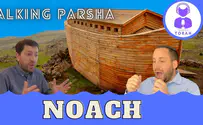
Hashem commands Noach to leave the ark - but why does Noach need to be commanded? What do we learn from Noach sending the raven and dove?
Why does the Torah tell us the story of Chava's creation, and why does the story end with a verse that's totally out of place?
In the parsha Moshe blesses every single tribe individually, giving 12 Brachos. But the parsha starts with a reference to just one bracha.

Why does Moshe begin the song of Ha'azinu by speaking to the sky & the earth, & how is this connected to Yom Kippur & the holiday of Sukkot?

Talking Parsha - Vayelech and Yom Kippur

Why is Moshe offering the Jewish people a choice, but telling them what to choose? And who would choose death? What kind of choice is this?

This week, apparently something very important happens, because Moshe declares to Am Yisrael that "today you have become a nation".

Why is the mitzvah to fence in a roof the one that the Torah emphasizes when it talks about building a new home?
How are the Jewish People supposed to know that a false prophet is a test, if we don't have the tools to cope with the situation?
How can the nations of Canaan not behaving be the reason for the People of Israel conquering the land, if they are not behaving, either?

This week's Torah portion discusses not adding or subtracting from the commandments. What's wrong with adding?

Who is talking in the book of Devarim - is it Moshe giving his own speech? Or did Hashem command Moshe to give this speech?

Why does the Torah send an 'accidental' murderer to a city of refuge instead of banning the victim's blood relatives from taking revenge?
When 2.5 tribes ask to remain on the eastern side of the Jordan River, Moshe doesn't get upset that they don't want to enter the Land. Why?

In this Torah portion, we discuss the korbanot passages, which we read every day. Why are these discussed here, instead of in Leviticus?
Bilaam sounds like a real Tzadik - that only cares about Hashem's will - so why is Hashem so angry at him?
This week we read about the deaths of Aharon and Miriam - but only Aharon is mourned. Why is that? Why does the Torah just move on?
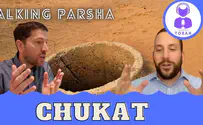
This is not what Moshe originally planned!! What happened there? Why did the land need to open up?!

What exactly is tzitzit? How does the tzitzit help us with remembering all the mitzvahs of Hashem? What is tzitzit all about?!
What is 'Second Passover'? Why don't other holidays have second date also?

What does blessing the People of Israel have to do with the work of the Holy Temple? Why are the kohanim the ones to bless the people?
Bamidbar is also called the 'Book of Numbers'. But the verb 'Pakad' - to count - also has other connotations. What is the deeper meaning?

Why does G-d's reprimand to the Jewish people end with a double 'remembering'? Where is the redemption after all of the punishment?
Parshat Behar: Is Shmita really about the land resting?
This week, we learn about the person who cursed using G-d's Name - but the Torah doesn't tell us his name, only his mother's. Why?
Why does Rabbi Akiva call it a "Big Rule", and not an "Important Mitzvah"...? What is 'Love your fellow as you love yourself' all about?
This week's Torah portion instructs us not to imitate the nations around us. Why is that? What is behind this concept?
Seder Night is all about asking questions. But is it really that important to ask questions? Why do we ask so many questions?

In this week's Torah portion we read about leprosy of a home and of clothing. Why would an inanimate object have a spiritual disease?
This week the Torah teaches us the laws of Tzara'at, a physical skin disease which is actually a manifestation of a deeper spiritual problem
Why are there so many explanations as to why Nadav and Avihu died? What actually happened here and why was it so important?
How is this week's Parsha - Tzav - connected to Purim? What do the laws of Ola'a offering have to do with the holiday?
The Torah begins speaking about an individual's sins by using the word, 'if,' but about a king the Torah uses the word, 'when.' Why?
The Torah repeats again and again (and again...) the phrase "As Hashem commanded Moshe". Why does the Torah repeat this so many times?
What's the connection between building the Mishkan and the work we are not allowed to perform on Shabbat?
Why were the Jews so disturbed that Moshe hadn't come down the mountain yet, and why did it cause them to sin with the Golden Calf?
Why does the Torah discuss the 'ner tamid' in the middle of speaking about preparing the priests? What is this 'constant light' about?
Why does Hashem tell Moshe to "take" the donation from the people, and not that the people should "give" a donation?
We are told the Jews said, 'We will do & we will listen' - but they said that after hearing it 3x! How is that 'doing' before 'listening?'
What exactly did Moshe tell Yitro? What new information did Yitro learn from Moshe that got him to declare "There's no G-d like Hashem"?
What does the fact that the Jews ran out of water have to do with the promise that they will not suffer the punishments brought upon Egypt?
Why did God go through the full 10 Plagues, if anyways the Egyptians didn't learn their lesson? Why not just take the Jews out right away?
Why so is there so much emphasis on speaking to Pharaoh and on who will speak to Pharaoh, if no one is going to listen anyways?
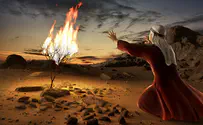
So why does Hashem make this special supernatural occurrence with the burning bush? Obviously there's more to this story..
From the verses in this week's Torah portion, it would seem that Yosef is considered one of the forefathers. So why is he not on the list?