

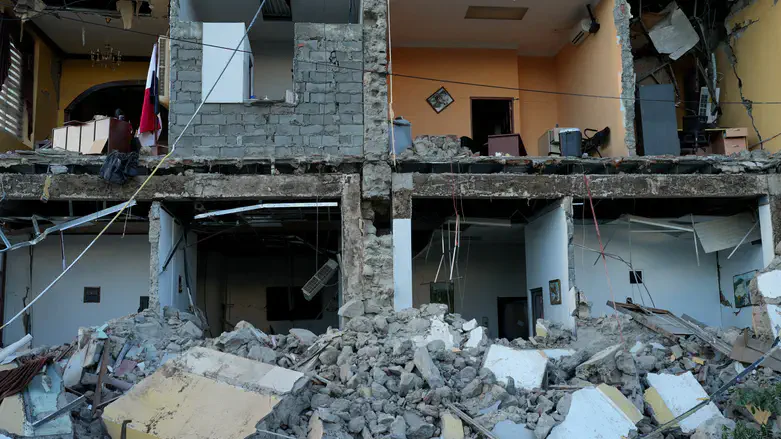
A powerful 7.7-magnitude earthquake struck Panama on Friday, October 9, causing widespread damage to buildings and infrastructure, injuring at least 27 people and prompting evacuations across the country. Hundreds of structures, including homes, schools, churches and public buildings, were damaged. Despite the severity of the earthquake, authorities had reported no fatalities as of Saturday evening.
According to the U.S. Geological Survey (USGS), the earthquake was centered in the Herrera province of southern Panama, at a depth of approximately 12.6 kilometers and about 200 kilometers from the capital, Panama City. The quake was initially estimated at magnitude 8.0 before being revised to 7.7. The tremors were felt across large parts of the country, triggering panic even in the capital, far from the epicenter.
Videos shared on social media and broadcast by local media showed residents fleeing buildings, collapsed walls, cracked roads and damage to public structures. In the central city of Penonomé, several buildings sustained heavy damage, and part of a church tower collapsed. Other footage showed sections of a hotel facade falling onto vehicles parked nearby.
In Panama City, residents rushed out of homes, offices and shopping centers as the shaking spread through the capital. According to Reuters, the earthquake caused severe traffic congestion and widespread building evacuations. Power outages were also reported, with electricity supplies disrupted in six provinces.
The main earthquake was followed by a prolonged series of aftershocks, including one measuring 6.6. The Associated Press reported that more than 45 aftershocks had been recorded within the first few hours, heightening public concern and complicating efforts to return to normal life.
A tsunami warning was issued for Panama and other countries along the Pacific region following the earthquake. Authorities monitored the possibility of dangerous waves reaching coastal areas, but the warning was subsequently lifted. Emergency crews began inspecting damaged buildings and assessing the condition of roads and other infrastructure.
Tocumen International Airport, Panama's main international gateway, temporarily suspended operations to allow safety inspections before reopening. The Panama Canal, one of the world's most important shipping routes, was not affected to the extent that would require a shutdown, and traffic continued as usual.
Panamanian President José Raúl Mulino addressed the disaster and the initial damage assessments, urging the public to remain calm. Authorities continued inspecting buildings and responding to damage, while some areas reported damaged roads and difficulties accessing local communities. Neighboring countries offered assistance, and the United States also expressed its willingness to help Panama deal with the aftermath.
Preliminary USGS estimates cited by Reuters indicated that approximately 43,000 people lived in areas exposed to particularly strong shaking. The economic impact could be significant, although officials cautioned that the assessments remained preliminary and the full extent of the damage was not yet clear.
Panama lies within the Pacific Ring of Fire, a region characterized by intense seismic activity resulting from the movement of tectonic plates. Despite the earthquake's exceptional strength, the country had so far avoided a major disaster involving loss of life.