
Trump on Iran:
'We delayed the strike for two or three days'
President Trump tells reporters he was ready “to go big" with an Iran strike, but paused it because there is “a very good chance something can be worked out".
President Trump tells reporters he was ready “to go big" with an Iran strike, but paused it because there is “a very good chance something can be worked out".
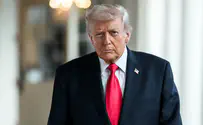
US President says regional leaders asked him to hold off on striking Iran because they believe a deal will be reached, but warned 'large scale assault of Iran, on a moment’s notice' if a deal is not made.
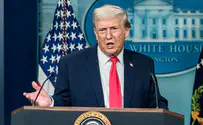
The White House reportedly views Iran’s revised proposal as inadequate as President Trump weighs diplomatic and military options.
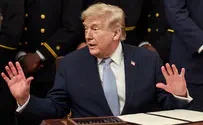
Iranian President Pezeshkian blames the US and Israel for regional rifts amid speculation of a possible resumption of the war.
Trump posts a map showing the Middle East covered by a US flag with arrows targeting Iran, in what appears to be another warning to the Islamic Republic.
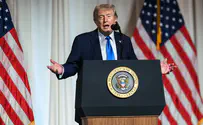
CNN reports that President Trump met with top advisors in Virginia to weigh military options before warning Iran that “the clock is ticking".
The U.S. president posted a message after his conversation with the prime minister in which he made a blunt threat to Iran.
Regional officials tell Fox News Iran fears renewed US strikes, as economic pressure mounts and Trump warns his patience is running out.
Trump posts a cryptic warning as the US and Israel reportedly prepare for renewed strikes on Iran.
Trump tells reporters he is open to a 20-year Iran nuclear ban but demands "real guarantees" to end the war.
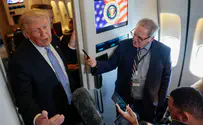
The Federal Bureau of Investigation has announced a $200,000 reward for information leading to the arrest and prosecution of former U.S. counterintelligence specialist Monica Witt.

Speaking to Fox News, Trump warns Iran his patience is ending: They should make a deal.
US House of Representatives rejects measure to curb President Trump’s Iran war powers, voting to a 212-212 tie.

In a post on Truth Social following his visit to China, Trump signals continued military action against Iran.
US Energy Secretary Chris Wright warns Iran is weeks from weapons-grade uranium and must end its program.
Classified reports cited by The New York Times show Iran has restored most missile sites.
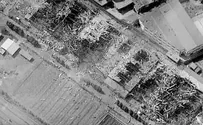
Trump warns Iran to accept a deal or face total defeat: They’ll either do the right thing, or we’ll finish the job.
Sources quoted by CNN say Trump weighs resuming military action against Iran after rejecting its "unacceptable" offer.
State Department announces sanctions on an IRGC oil network, in an effort to cut off funding for terror proxies and regional aggression.
Iranian Parliament Speaker Mohammad Bagher Ghalibaf warns of military surprises, insists the US must accept Iranian proposal to end the war.
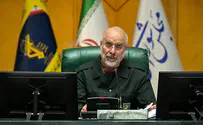
President Donald Trump reportedly leaning toward ordering a resumption of strikes against Iran, fueled by deep frustration over Tehran's conduct during negotiations.
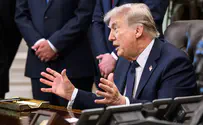
US officials claim Iran moved aircraft to Pakistan and Afghanistan during its conflict with the US in an effort to protect key assets.

Senator Lindsey Graham urges Trump to end diplomacy and restart "Project Freedom" after Iran’s proposal snub.
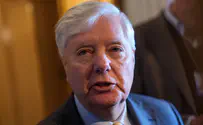
Iran dismisses Trump’s rejection of its response to the US proposal, stating they will not draft plans just to please him.

Trump rejects Iran’s response to the US proposal for a deal, calling it "totally unacceptable".
Iran demands control of the Strait of Hormuz, the lifting of sanctions and a ceasefire in Lebanon in exchange for an agreement with the U.S. The demands have provoked anger at the White House.
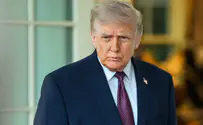
Trump accuses Iran of decades of deception, blasts Obama-era policies in Truth Social post, says Tehran 'will be laughing no longer.'
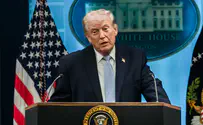
President Trump says Iran has been militarily defeated, warns more strikes remain possible, and vows Tehran will never obtain nuclear weapons.
The IRGC warns of strikes on US bases and ships if Iran’s maritime trade faces further "aggression."
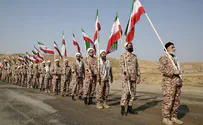
Secretary of State Rubio meets Qatar’s PM in Miami, as the Qataris mediate between the US and Iran to negotiate a memo ending the war.
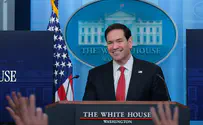
Spokesperson for Iran’s Foreign Ministry says Iran is still reviewing the US peace proposal and will not be moved by deadlines.
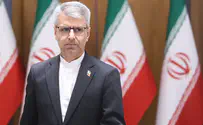
Secretary of State Rubio warns Iran against controlling international waterways as Washington awaits Tehran’s response on negotiations.
Iranian Foreign Minister Araghchi accuses the US of undermining diplomacy after strikes near the Strait of Hormuz, claims missile arsenal at 120% since the beginning of the campaign.
Trump tells reporters the US is still negotiating with Iran, explains Pakistan asked that “Project Freedom" be put on hold while talks are ongoing: They agreed not to have a nuclear weapon.
US destroyers repel Iranian attack in the Strait of Hormuz. US forces retaliate on port bases. Iran claims US violated the ceasefire, but Trump says it is still in effect.
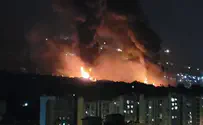
A CIA assessment says Iran could withstand the US naval blockade for months while retaining much of its missile arsenal despite ongoing strikes.

The US imposed sanctions on Iraqi officials and companies accused of diverting oil revenues to Iran and Tehran-backed terrorist groups.

U.S. officials told the The Wall Street Journal that Washington has presented Iran with a series of strict conditions as part of ongoing negotiations over a potential nuclear agreement.
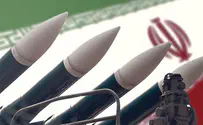
NBC News reports that Trump halted “Project Freedom" in the Strait of Hormuz mission after Saudi Arabia pulled base access.

Trump speaks at tele-rally for Republican candidate in Georgia and predicts a swift end to the Iran war. Reports indicate Iran will reply to US proposal on Thursday.
Iranian Parliament speaker Mohammad Bagher Ghalibaf mocks Trump’s shifting strategy as reports hint at a looming one-page peace deal.
Speaking to reporters at the White House after issuing an ultimatum to Iran, Trump claims victory over Iran's military and declares: Iran cannot have a nuclear weapon, and they won't.
Trump pauses "Project Freedom" in the Strait of Hormuz to seek an Iran deal, while keeping the naval blockade in effect.
Secretary of State Marco Rubio says Operation Epic Fury ended after Iran's nuclear shield has been dismantled, explains the focus now shifts to Project Freedom.
Report says Israel and the US are coordinating amid Hormuz tensions, with plans in place for possible strikes on Iran if diplomacy fails.
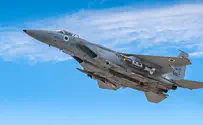
Trump downplays Iranian attacks, warns Tehran to keep the ceasefire: They better hope it remains in effect.
Iran’s Araghchi warns the US and UAE of a "quagmire" and rejects military solutions to the current tensions.
Speaking after Iran attacked the UAE, Trump says Iran’s military is decimated and warns against them acquiring nuclear weapons.
US Treasury Secretary Scott Bessent tells Fox News that America is suffocating Iran’s regime through financial pressure, frozen assets and a naval blockade.

US Special Envoy Steve Witkoff confirms that America is in active conversation with Iran as efforts continue to negotiate an end to the conflict.
CENTCOM announces its forces will begin supporting President Donald Trump’s humanitarian operation to free ships trapped in the Strait of Hormuz.
Senior Iranian lawmaker warns that any US interference in the Strait of Hormuz would violate the ceasefire, responding to Trump’s announcement of operation to free trapped foreign vessels.
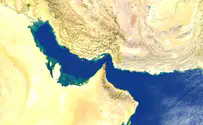
President Trump announces “Project Freedom" to safely escort neutral ships out of the Strait of Hormuz, calling it a humanitarian gesture amid positive discussions with Iran.
Report details Iran's 14-point proposal to the US outlining terms for a permanent deal, including sanctions relief, security guarantees, and regional de-escalation.
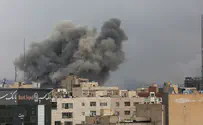
President Trump says he will review Iran’s latest 14-point proposal to end the war but expresses strong doubt it would be acceptable. Iran’s proposal reportedly includes demands for lifting of sanctions and ending the naval blockade.
US Treasury warns shippers they face severe sanctions for paying Iranian tolls in the Strait of Hormuz.
US imposes new sanctions on entities tied to Iran’s oil trade, targeting a China-based operator and shipping network.
White House claims Iran hostilities have ended, sidestepping a key deadline as lawmakers debate presidential authority and ongoing risks.

Wall Street Journal reports that Iran signaled a degree of flexbility in its most recent proposal to revive talks with the US.
President Donald Trump expresses dissatisfaction with Iran’s latest proposal to end the war, stating he is not satisfied with it and noting his options are either a major military escalation or negotiating a deal.