
Eretz Yisrael in the parsha: Shiloh
Young religious Zionist Torah scholars on the connection between the parsha and the Land.
Young religious Zionist Torah scholars on the connection between the parsha and the Land.
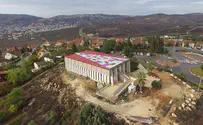
Religious Zionist Torah scholars find connections between each parsha and Eretz Yisrael.
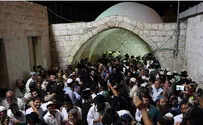
Young Religious Zionist Torah scholars find the connections between the parsha and Eretz Yisrael.
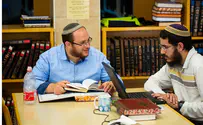
Young Religious Zionist Torahs scholars see how and where Eretz Yisrael appears in the parasha.
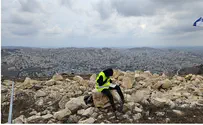
Young religious Zionist Torah scholars find allusions to Eretz Yisrael in the parsha:
What was the urgency of entering the Land after Moses' death?
Religious Zionists study conneitions to the Holy Land in the parasha.
If the Torah is a sefer of mitzvot, why does the Torah start with Creation and not the first mitzvah?
The difference between Emunah in Israel and other nations.
Religious Zionist scholars connect the parasha with the Land of Israel.
Why was Yosef privileged to be buried in the Land of Israel and Moshe Rabeinu was not privileged?
Younr religioius Zionist Torah scholars study the connections between the parasha and the Land of Israel.
Young religious Zionist Torah scholars connect each Torah Reading with the Land of Israel.
Young religious Zionist scholars find the connections to the the Holy Land in the parasha.
Young religious Zionist Torah scholars connect each parasha with the Holy Land.
Young Israeli religious Zionist Torah scholars on the parasha's connection to the Land of Israel.
Young Torah scholars find connections between the Torah reading and the Holy Land.
Young Religious Zionist Torah scholars connect this week's Torah reading with the Land of Israel.
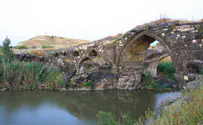
Young religious Zionist Torah scholars: Why did the Torah require the division of the Land of Israel to be done specifically by a lot?
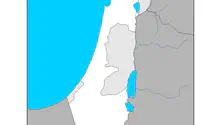
Young religious Zionist Torah scholars explain the vese|: How goodly are your tents, Jacob....
Young religious Zionist Torah scholars connect the parsha to Eretz Yisrael: Why was Moshe's punishment not entering the Land of Israel?
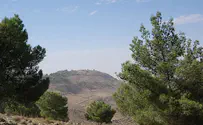
Young religious Zionist Torah scholars find lessons in the parsha related to the Holy Land.
Young religious Zionist Torah scholars search for connections to the Holy Land in the weekly Torah reading.
Why in Parashat Behaalotcha, trumpets are blown in war, while in Parashat Ki Teitzei victory is not dependent upon blowing the trumpets?
Young religious Zionist Torah scholars explain the connections to Eretz Yisrael in each parasha.
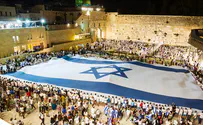
Young religious Zionist Torah scholars explain the connection between the parasha and the Holy Land.
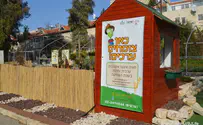
Only grain from Israel may be used in the Omer and the Two Loaves offerings.
Young religiious Zionist Torah scholars teach connections to the Land in the parasha.
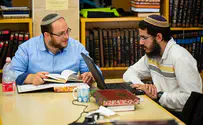
Young Israeli Torah scholars in Religious Zionist yeshivas: Why do the laws of tzara’at of houses apply exclusively in Eretz Yisrael?
Young religious Zionist scholars on the Holy Land in the parasha and in our prayers.
Young Israeli Religious Zionist Torah scholars explore the connection betrween Pesach and Eretz Yisrael.
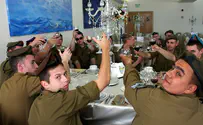
Young religious Zionist Torah scholars write on the parsha's connection to the Land of Israel.
Young Religious Zionist Torah scholars ask: Why did the Torah tell us that the mitzva of Orla started only when we entered the land?:
Young religious Zionist Torah scholars: The People of Israel, despite differences, unite to protect the Holy Land.
Young religious Zionist scholars explore connections to Eretz Yisrael in the weekly Torah readings.
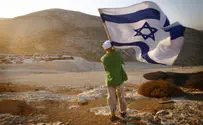
Young religious Zionist rabbis: How the Beit Hamikdash enlightens the world acting as a spiritual lighthouse in the Holy Land.
Young religiosu Zionist rabbis in Israel study the parasha with an eye on the Holy Land: Is the Land of israel the exact world center?
Lessons in Torah readings related to Eretz Yisrael.
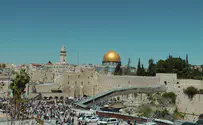
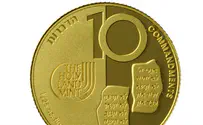
Why is honouring parents listed as part of the first five commandments? Why is the reward length of days in the Land of Israel?
What brought the Israelites to think of Eretz Yisrael and the Beit Hamikdash in the Song of the Sea, when they have just been rescued?

Young Israeli Torah scholars on the parasha: Why not relate to the Land as an inheritance?
Young religious Zionist Torah scholars connect the parasha to the Land of Israel.
Young religious Zionist Torah scholars: Why are the physical traits of the Land emphasized?
Why does it matter where one is buried?
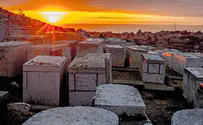
Young Israeli Torah Scholars: Originally, the Israelites descended to Egypt temporarily and not to settle in the land. What happened?
Religious Zionist Torah scholars discover Eretz Yisrael in the weekly Torah reading.
Religious Zionist Torah scholars connect the week's reading with the Holy Land: Why was it important for the Patriarchs to settle the land?
Religious Zionist Torah scholars on the connection between this week's Torah reading and the Land of Israel.
Does the Shechinah leave Eretz Yisrael? If so, why?
Young religious Zionist Torah scholars elucidate the connections to the Holy Land in Chayei Sarah, this week's Torah reading
Young Israeli Religious Zionist Torah scholars teach the importance of the Holy Land as seen in each week's Torah reading. Watch and learn.
Young religious Zionist Torah scholars talk about the connection between Eretz Yisrael and the parsha.
Young Religious Zionist Torah scholars research what this week's Torah reading says about the Promised Land.
The sukkah represents faith, a particular trait of the Nation of Israel whose responsibility it is to impart faith to the nations.
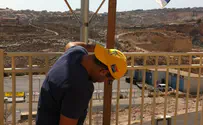
The Chatam Sofer had an illuminating explanation of the famous dispute between Rashbi and Rabbi Yishmael about Torah study and work.
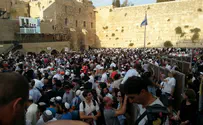
In our parasha: Every 7 years, post Shmitta, all Jews - men, women, elderly, children - must come to hear the Torah at the Beit Hamidkash.
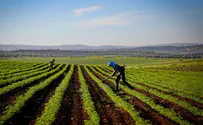
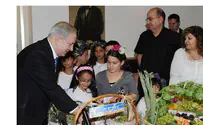
Bringing bikurim conveys love of the Land and the realization that it is God’s gift to His nation. That message can still be felt today.
Young Israeli Torah scholars on the issue of the beautiful female captive, the,eshet yefat toar. A decree from God or a life prescription?
Torah from young scholars: Land theft in Eretz Yisrael is a more serious offense, since it is the theft of an absolute right of ownership.
Maintaining the Land of Israel is not simply a matter of fulfilling the mitzva, but a basic element of Jewish life.