
Parashat Chukat (Israel):
Parah Aduma, the Golden Calf, and Egla Arufa
Is there a connection between the three, all involving heifers?
Is there a connection between the three, all involving heifers?
Korach challenged the appointment system, arguing that positions should follow birth order.
Learning to seek the fire: we find many parallels between the story of the burning bush, the Sneh, and Matan Torah at Mount Sinai.
There is another type of secret-knowledge that, even if explained, would remain a secret. That is the theme of Lag Ba'Omer.
Is there a connection between chulin meat and korban meat? Why do they share similar laws of slaughtering?
How the current Daf Yomi connects with the parasha we read in Shul.
Tens of thousands of IDF reservist soldiers are experiencing feelings not unlike those of the Israelites leaving Sinai. How does the Torah deal with this?
Why is this fact of the non-barking dogs significant?
If we had to point to one question that touches many of the sugyot, what would that be?
There is a struggle here over the source of shefa - the flow of blessing - in the world.
What is the difference between a blessing given through the hands and a blessing given through the knees?
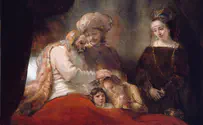
How Yossef is showing and hinting to Yaakov how he dealt with the Egyptian world successfully.
As in Miketz, after two years of war, we look back and glance at what is happening. It feels like a dream. And it goes on - like a prophecy.

What was the real conflict?
Yaakov thought there was no need for a future exile after all he had gone through. The Medrash explains.
Does Am Yisrael deserve the Brachot? Do we live up to the title we hold? Are we fulfilling our mission as the chosen nation?

There is a deep, ongoing tension within Am Yisrael regarding which tribe represents the proper approach to the Shechina, and which tribe should host the Mikdash.

There is much to learn from the name Yerushalayim, which is actually a combination of two different names of the holy city.
There are striking parallels betwee the metzora's prodedures and those of the Nation of Israel...
This has been a year of masks: We saw organizations claiming to fight for "human rights" reveal their true faces—showing that they don’t actually care about Jews. We saw women’s rights organizations put on masks and ignore Jewish victims of rape and torture.

What can we learn from the fact that this issue of "Mishpatim" (laws) comes right after the revelation at Mount Sinai?
The story of the Exodus is central to our historical purpose and destiny. Its "headlines" are psukim hinting to current events, leaving a bit to the imagination...
Events that occur at a Biblical level of open miracles can still happen.
Rabbi Kirsch is serving in Lebanon and sent this thoughtful article and photo.
This is the Torah of Eretz Yisrael - and we have to say Amen.
There are messages for today's situation clearly spelled out in the parasha.
They need peace and quiet, but Moshe insists that they continue fighting until the land is fully conquered.
The opening of the donkey's mouth teaches us the basic lesson of the entire story.
When an organization is coming with a certain demand, is this a clear black and white issue? Or, are their true interests hidden from view?
Where did the spies go wrong?
I find that this week's Parsha contains a powerful message for us, after having just celebrated Yom Hazikaron and Yom Haátzmaut -and especially this year because of the war in Gaza.
To present an example that is happening right before our eyes; Why is the entire world focused, and even obsessed with Israel?

The whale of Messiah's time and the water libation are connected.
A comparison of the atonement of Yom Kippur and the sin of Aaron's sons.
Didn't everyone know there would be trouble?
A look back at Lag Ba'Omer leads to contemplating the connection between Redemption and the kabbalistic Zohar.
We want the type of unity that respects others, areas that bind us. Israel belongs to all of us. A shul belongs to all of us.Op-ed.
Daf Yomi learners finish the Tractate Nazir just as we begin the Book of Vayikra on Shabbat with the work of the Kohen Gadol. A comparison.
Comparisons to the sin of the Golden Calf.
Step by step, plague after plague, Pharaoh learns the way the world works.
Some of the "final words" and "small print" at the end of the contract ending the book of Bereishit.
Let's refer to Esau as red, and to Lavan as (how predictable...) white.
Reading this week's parsha can show us the amazing development in Abraham's life regarding a crucial existential question.
The real inspiration and power for the court comes from the holy city of Jerusalem and the Temple. This helps the judges stick to the truth.
Balaam is the perfect example of someone who tries to get away with doing anything not specifically forbidden.
38 years passed between last week's Parsha and this one. Not only did the whole nation die, all three of its leaders pass away.:
The Torah lifestyle reaches out to every corner of the world that seems to be empty, shallow and "dry"- and gives it life, color and depth.
Three occasions--Akedat Yitzchak, the receiving of the Torah on Mount Sinai, and the year of the yovel, have commonality.
Focus on the wise son's question and possible answers that point to the experiential aspects of Torah observance.
To all of the Daf Yomi participants that begin this week with Seder Nashim and Masechet Yevamot, I present this introduction.
If any of our grandparents from the previous generation would visit ours, would they be pleased with what they see?

Yaakov makes his first step into the "boxing arena" He is injured because this is now reality.
Each of the four starring characters in the Jacob story has his own attitude towards this world and the world to come.
In books of Chassidus (Tzidkat Hatzadik 107, Torah Ohr Parshat Noach) the Mabul is described as one great 'Mikve' (ritual bath).
Why don't we ask forgiveness for our personal sins on Rosh Hashana if it is the Day of Judgment?
Who is your tour guide? That makes all the difference.in how you deal with the Giant problem.
As one man with one heart, that is how we received the Torah and how we face our enemies.
Is it the land lying fallow that is the central theme, or are the Jews who do not work it during the shmita year the focus?
In this week's Torah reading, why begin the description of the Avoda on Yom Kippur with telling us of the demise of the sons of Aaron?
Parshat Mishpatim, the Torah portion called "laws" also calls judges "elohim" - God, masters or lords. What does this signify?