
Rabbi Shimshon Rafael Hirsch:Should we have a welfare state?
Helping people is wonderful, indeed obligatory., but there are principles involved.
Helping people is wonderful, indeed obligatory., but there are principles involved.
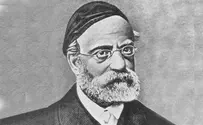
Man is called on to sanctify the material world, not shun it, writes Rav Samson Raphael Hirsch. So why do we fast?
If we’re alive, it means G-d wants us to be alive, and we must “serve Him with all our might."
What is the significance of this connection?
Nadav and Avihu: The elites often permit themselves moral laxity but the Torah grants no such indulgences.
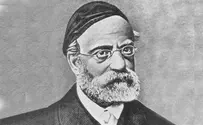
Rabbi Hirsch's commentary on the Book of Vayikra is where he explains the meaning of laws that might seem meaningless.
Our G-d is not a particularistic G-d. He is the father of all of humanity. How does the parasha show that?
How can we be forgiven without the essence of Temple worship, the offerings brought to God?

What is the point of the tablets being readable on both their sides?
What really happened at Mount Sinai? After all, say skeptics, God doesn't speak to us.
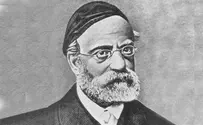
How the Sages can derive laws from minutae in the Torah that others don't see..
This is one of the places in the Torah where Rabbi Hirsch's philosophy of Torah and Derekh Eretz can be understood.
There was absolutely no precedent, there was only faith.
We have a choice. We can continue to whine, or we can elect to win. And whether we win or not is in our hands. Op-ed.

Just as an entirely new moon emerges every month, so too we can become entirely new versions of ourselves if we will it
Sanctifying our desires is pagan, not Jewish. Pleading victimhood to external forces is likewise pagan, not Jewish.
G-d told Moshe: “This” – your inadequacy and self-doubt – will be a sign to the Jews that I have sent you.
Most of us understand Jacob's words to mean that Shimon and Levi’s zealotry must be diffused. Rabbi Hirsch differs.
Living in Goshen was a wise decision on the part of the Jews and a message for future exiles.
Do righteous men play cruel games on other people? How could Yosef terrify his brothers?
How could Yaakov’s sons have been so cruel?
When Esav meets Yaakov, a part of him acknowledges the superiority of Yaakov’s path in life. But does he continue to hate his brother?
YU is beyond the pale in accepting the public flaunting of LGBT behavior, unequivocally prohibited by the Torah. Op-ed.
In all of Jewish literature, one would be hard-pressed to find a single statement glorifying self-esteem. Humility, however, is much lauded.