
Rabbi Samson Raphael Hirsch on the parsha: Mirrors in the Mishkan
G-d wants us to sanctify the physical, not shun it.
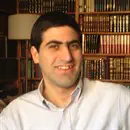
Elliot Resnick, PhD, is the host of “The Elliot Resnick Show” and the editor of an upcoming work on etymological explanations in Rav Samson Raphael Hirsch’s commentary on Chumash
G-d wants us to sanctify the physical, not shun it.
The Torah enables us to rise above the natural order.
The Jewish lamb is happy, joyful, and virile – not meek.
The menorah teaches us how to live our lives.
An unusual law in Parshas Mishpatim makes the case for the divine authorship of the Torah.
Tell your children what you believe and why.
The Torah wanted to make sure we didn’t get carried away.
Pharaoh didn’t take Moshe seriously because he didn’t take his own religion seriously.
Individuality is valuable but only if the Torah lies at its core.
The solution is on earth, not in heaven.
We’re supposed to change the world, not Torah.
A famous verse ןמ Genesis 8 seems to suggest otherwise.
G-d expects pious Jews to do more than pray.

The answer to our problems – and the source of our joy – is Divine meaning.
G-d wants us to be happy.
Avodah Zarah prevents man from being fully human.
The High Holy Days aren’t about cheap sentimentality.
Life is more than the absence of death.
Our very first task upon entering the Promised Land involved outreach to non-Jews.
Marriage is much more than a physical union.
A Jewish king’s purpose starts where that of a non-Jewish king often ends.
Mt. Gerizim and Mt. Eval teach us that our environment isn’t determinative.
We aren’t the only people to whom G-d assigned a land.
Tolerance is lauded in the modern West, but it isn’t always a virtue in Judaism.
The Torah calls for joy and serenity – in this world. A “suffering servant” is not the Jewish ideal.
Do we appreciate how often G-d saves us without us even knowing it?
The almond tree' symbolizes the spirit of the tribe of Levi. How?
There is a surprising reason that Moshe changed the name of one of the spies and not the others.
Today, we see the people who claim to represent democracy looking down with contempt at the masses. That's an anti-Torah way to act.
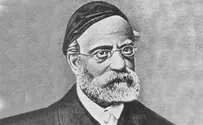
Parashat Naso contains the laws of the Sotah - a woman suspected of adultery,
Helping people is wonderful, indeed obligatory., but there are principles involved.
Man is called on to sanctify the material world, not shun it, writes Rav Samson Raphael Hirsch. So why do we fast?
If we’re alive, it means G-d wants us to be alive, and we must “serve Him with all our might."
What is the significance of this connection?
Rabbi Hirsch's commentary on the Book of Vayikra is where he explains the meaning of laws that might seem meaningless.
Our G-d is not a particularistic G-d. He is the father of all of humanity. How does the parasha show that?
How can we be forgiven without the essence of Temple worship, the offerings brought to God?

What is the point of the tablets being readable on both their sides?
What really happened at Mount Sinai? After all, say skeptics, God doesn't speak to us.
Rabbi Hirsch shows that Torah commandments are in force despite the destruction of the ancient Jewish commonwealth.