

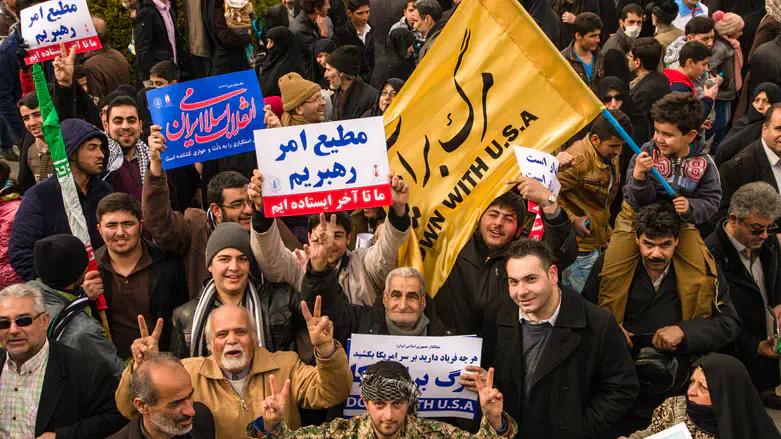
Iranian Foreign Ministry spokesman Esmaeil Baghaei warned on Monday that the Islamic Republic will deliver a “comprehensive and regret‑inducing" response to any act of aggression, the Xinhua news agency reported.
He made the remarks at a weekly press conference in Tehran, addressing recent US military movements in West Asia and ongoing joint drills between the United States and Gulf states.
“We have been and still are faced with hybrid warfare. In the aftermath of Israel's military aggression against Iran in June, we have been faced with new claims and threats from the United States and Israel every day over the past," Baghaei said.
He argued that regional states understand that Iran would not be the only target of instability. “Insecurity is contagious," he said, urging that “any country that respects peace and international law should adopt a clear stance towards US threats against other states."
Baghaei said Iran’s experience during the 12‑day war with Israel and the United States last June has shaped its current posture, adding that Iran would “definitely give a comprehensive and regret‑inducing response to any aggression."
Responding to US President Donald Trump’s comments last Thursday that a US “armada" is heading toward the region with a focus on Iran, Baghaei insisted that the arrival of an aircraft carrier “is not supposed to affect Iran's determination and seriousness to defend the country."
Asked about the possibility of Iran‑US talks to prevent conflict, Baghaei said negotiations are only possible with a party that does not seek war. “We have never welcomed war and never shied away from diplomacy and negotiation. We have shown it in practice," he said.
The Iranian official’s comments follow Trump’s threats to hit Iran hard if its regime executes anti-government protesters who have hit the streets in recent weeks.
Last Thursday, Trump again issued a stark warning to Iran, during an in‑flight briefing with reporters on his return from Davos to Washington, describing a significant US military buildup in the region.
“We have a lot of ships going in that direction, just in case. We have a big flotilla going in that direction. And we'll see what happens," Trump said. “We have a big force going toward Iran. I'd rather not see anything happen, but we're watching them very closely."
Trump again said that he prevented hundreds of executions in Iran last week. “I stopped 837 hangings [last] Thursday. They would have been dead. Every one of them would have been hung…I said ‘if you hang those people, you're going to be hit harder than you've ever been hit. It'll make what we did to your Iran nuclear look like peanuts.’ And an hour before this horrible thing was going to take place, they canceled it. And they actually said they canceled it. They didn't postpone it. They canceled it. So that was a good sign."
A day earlier, Trump commented on the recent tensions with Iran in an interview with CNBC and said, “We hope there’s not going to be further action. They were shooting people indiscriminately on the streets and they were going to hang 837, mostly young people" after he threatened to hit them hard if they harmed protesters.
Trump has also addressed the Iranian nuclear issue and said the country should quit seeking nuclear weapons. “They gotta stop with the nuclear."
Iran’s government has put the death toll from the unrest at 3,117, including 2,427 people it labels “martyrs", a term used for security forces and bystanders, as opposed to “rioters" it claims were incited by the United States and Israel.
At the same time, rights groups say the actual death toll is much higher. On Sunday, the US-based Human Rights Activists News Agency (HRANA) published an updated report estimating the number of confirmed deaths in the protests at 5,459 people, the vast majority of them demonstrators.
However, the organization noted that more than 17,000 additional deaths are currently under review, bringing the total number of deaths linked to the suppression of the unrest to an estimated 22,490.
Meanwhile, Iran International reported that, based on reviews of classified reports and testimonies from medical teams and families of those killed, more than 36,500 Iranian civilians were killed during the regime’s suppression of protests in Tehran in early January, within just two days.