

Reports in the Saudi-owned Al Arabiya outlet on Monday indicated that prior to the peak of nationwide protests in Iran last January, an alleged internal attempt was made to sideline Supreme Leader Ayatollah Ali Khamenei.
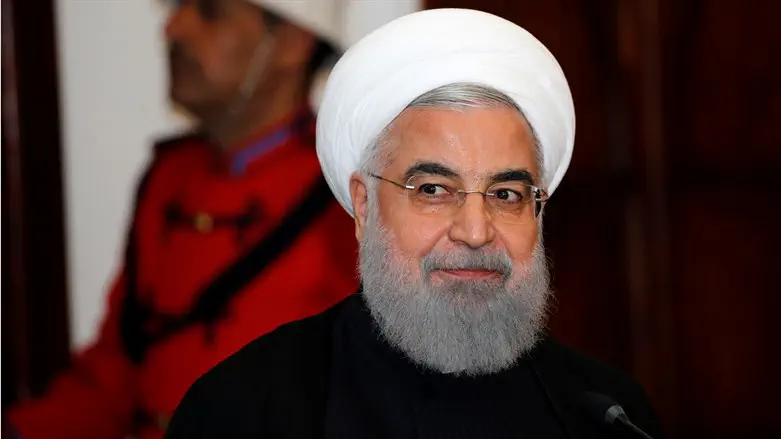
According to sources cited by the French newspaper Le Figaro, former Iranian President Hassan Rouhani led what was described as a "soft coup" effort from within the ruling establishment, aimed at removing Khamenei from the center of decision-making. The reported initiative took place shortly before the security crackdown of January 8 and 9, when demonstrations across the country were at their height.
The sources said Rouhani acted in coordination with prominent figures from his previous administration, including former Foreign Minister Mohammad Javad Zarif, as well as clerics from the city of Qom and individuals said to be close to the Islamic Revolutionary Guard Corps.
However, the attempt reportedly failed after it did not receive the backing of Ali Larijani, who was appointed in August as secretary of Iran’s Supreme National Security Council. The report added that current President Masoud Pezeshkian was kept outside the discussions in order to prevent exposure of the alleged plan.
Reuters file photos published alongside the reports showed Larijani and Zarif separately.
Following the exposure of the alleged move, authorities reportedly placed Rouhani and Zarif under house arrest for several days, while reformist figures associated with them were temporarily detained before being released.
The developments coincided with reporting by The New York Times that Iranian officials confirmed Larijani had been tasked more than a month earlier with overseeing state affairs in the event that Khamenei became incapacitated. Since then, the 67-year-old Larijani has effectively managed the country’s affairs, according to the report.
Iran experienced widespread protests beginning in late December, initially sparked in Tehran’s Grand Bazaar over economic conditions before expanding into broader political demonstrations.
Human rights organizations and media reports described a security "crackdown" on January 8 and 9 that they said resulted in thousands of deaths. Iranian authorities, for their part, announced that more than 3,000 people, including security personnel, were killed. Officials accused external actors of inciting unrest, while also acknowledging that citizens have the right to protest and demand improved living conditions, and stating that efforts were underway to address economic challenges.