
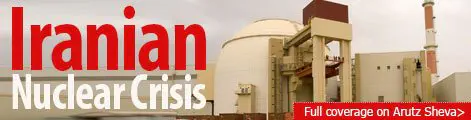


Despite extensive damage to Iran’s nuclear infrastructure during June’s 12-day war, the majority of the Islamic Republic’s enriched uranium stockpile remains untouched, the UN’s atomic watchdog says.
International Atomic Energy Agency (IAEA) Director Rafael Grossi told Swiss newspaper Neue Zürcher Zeitung on October 18 that most of Iran’s 60% enriched uranium “remains in the nuclear facilities in Isfahan and Fordow, and some in Natanz.”
All three sites were targeted in Operation Rising Lion, the Israeli mission that initiated the brief conflict, followed by US strikes using bunker-busting bombs.
Grossi confirmed the facilities were “massively damaged,” but the uranium itself was largely unaffected.
A leaked IAEA report from September indicated Iran had 440kg of enriched uranium as of June. Grossi now estimates the stockpile at approximately 400kg.
The IAEA chief stressed that access to the uranium will depend on Tehran’s willingness to cooperate. “Will we get access to this uranium? And what will happen to it then? Will Iran want to keep it, will it reduce its enrichment levels again, or will Iran move this uranium abroad?” he told the Swiss newspaper, adding, “Sitting down together at the table saves us the danger of another round of bombing and attacks.”
Iran severed ties with the IAEA following the Israeli and US strikes, later reestablishing relations under a new framework that allows UN inspectors into nuclear sites only with approval from Iranian security services.
However, Iranian Foreign Minister Abbas Araghchi announced earlier this month that the agreement is no longer valid, citing the activation of the snapback mechanism by European powers.
The E3 - Britain, France, and Germany - triggered the snapback mechanism in August, which led to the UN’s reimposition of sanctions after the Security Council failed to extend sanctions relief in September.
“There is no justified reason for invoking the snapback mechanism,” Araghchi said, warning that the move would only complicate negotiations and obstruct diplomatic progress.