
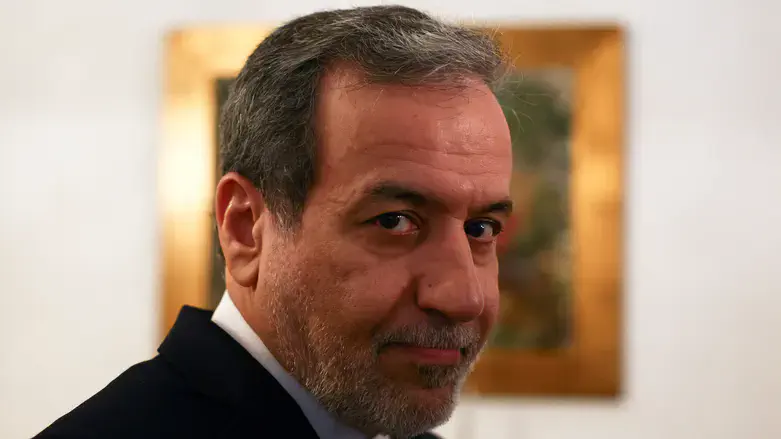
European foreign ministers and Iran’s top diplomat met in Geneva on Friday, marking the first face-to-face discussions between Western and Iranian officials since the recent eruption of conflict between Israel and Tehran, The Associated Press reports.
While the talks offered hope for continued dialogue, immediate breakthroughs on the Iranian nuclear program remained elusive.
German Foreign Minister Johann Wadephul stated the discussions were "very serious talks" and that the Iranian side appeared "fundamentally ready to continue talking about all important issues." British Foreign Secretary David Lammy underscored the European position, asserting, "We were clear: Iran cannot have a nuclear weapon."
French Foreign Minister Jean-Noël Barrot emphasized the limitations of military action, saying, "Military operations can slow Iran’s nuclear program but in no way can they eliminate it."
He further noted that European nations "invited the Iranian minister to envisage negotiations with all parties including the United States, and without waiting for the end of the strikes."
Barrot also reported that Iranian Foreign Minister Abbas Araghchi agreed "to put all the issues on the table including some that weren’t there before" and "showed his disposition to continuing the conversation."
EU foreign policy chief Kaja Kallas confirmed an agreement to "discuss nuclear but also broader issues that we have, and keep the discussions open."
Speaking after the meeting, Iranian Foreign Minister Abbas Araghchi expressed support for "a continuation of discussions with the E3 and the EU and expressed his readiness to meet again in the near future."
However, he also denounced Israel's attacks on Iranian nuclear facilities and voiced "grave concern" over the "non-condemnation" by European nations.
Earlier in the day, Araghchi had stated in an interview that "in the current situation, as the Zionist regime’s attacks continue, we are not seeking negotiations with anyone," specifically rejecting talks with the United States. He reiterated that Friday's discussion would focus "solely on the nuclear issue and regional matters" and that Iran would not discuss its missiles.
Speaking to CNN after the talks concluded, an Iranian source told CNN the discussions were “very tense” at first, but then became “much more positive” after the parties took a break.
“At first, the negotiations were very tense because both sides made allegations against each other about the recent past and about the conditions of the US withdrawal from the (Iran nuclear deal),” the source said. “But after the break, the talks were much more positive.”
When asked whether Iran had agreed to end its uranium enrichment capability, the Iranian source replied, “No, because that is a bold red line for us.”
The critical talks between Araghchi and EU counterparts were announced earlier this week. On Thursday, British Foreign Secretary David Lammy underscored the urgent need for a diplomatic solution to Iran's nuclear program.
“A window now exists within the next two weeks to achieve a diplomatic solution," said Lammy.
The meeting comes days after European foreign ministers issued a stern call to Araghchi, urging an immediate return to nuclear negotiations with the United States and a halt to escalating conflict with Israel.
The push for a compromise with Iran comes amid speculation that President Donald Trump could order the US to join Israel’s strikes on Iran’s nuclear facilities.
White House Press Secretary Karoline Leavitt stated on Thursday that Trump will decide whether to become directly involved in Israel's military operation in Iran within the next two weeks.
(Israel National News' North American desk is keeping you updated until the start of Shabbat in New York. The time posted automatically on all Israel National News articles, however, is Israeli time.)