

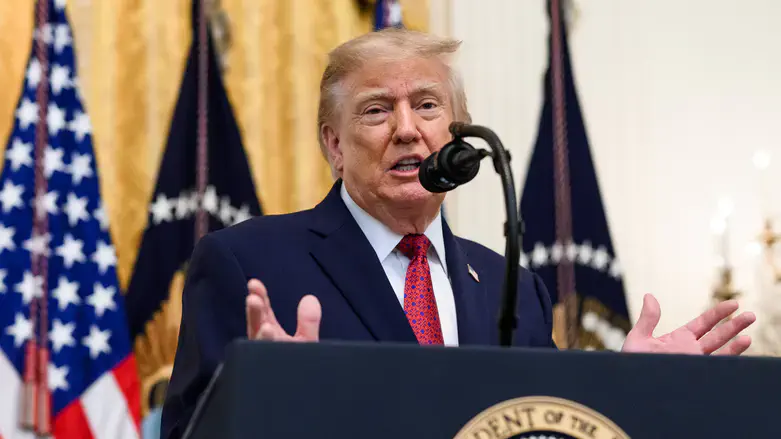
Iran has adopted a more confrontational position in negotiations with the United States following the Republican Party's defeat in the midterm elections, believing the results have weakened President Donald Trump and increased Tehran's leverage, The New York Times reported Tuesday, citing American, European and Iranian officials.
Iranian officials reportedly regard the election outcome as a vindication of their strategy of imposing economic costs on the United States through disruptions to shipping in the Strait of Hormuz.
According to The New York Times, officials in Tehran believe the rising economic pressure on American consumers contributed to Republican losses and has left Trump facing greater domestic opposition to continuing the war.
As a result, Iranian negotiators are reportedly less inclined to make concessions, even as indirect diplomatic discussions continue through regional intermediaries.
Representative Jim Himes (D-CT), who is expected to become chairman of the House Intelligence Committee next year, said Iranian leaders understand the political implications of the election.
“The message of the election will not be lost on the regime," Himes said. “They feel more strategically empowered against the Trump administration than they have in a long time."
The Republican defeat has also fueled disagreements in Washington over how to proceed with the conflict, which began more than eight months ago with American and Israeli military operations against Iran.
Vice President JD Vance and other Republicans have publicly linked the party's electoral setbacks to the war. Following Vance's remarks, Trump removed him from the negotiating team and directed him to concentrate on domestic matters.
The administration is now weighing several possibilities, including renewed military strikes, another diplomatic initiative or a reduction in the substantial American military deployment in the region.
However, developments beyond Washington's control, including a possible unilateral Israeli operation or an Iranian attack on American interests or regional allies, could force a military response.
Despite Tehran's increasingly defiant rhetoric, Western intelligence agencies believe Iran remains interested in an agreement if it can secure access to billions of dollars in frozen assets.
Iranian Foreign Minister Abbas Araghchi, who is leading Tehran's negotiating efforts, traveled to Pakistan on Sunday and Oman on Monday as regional governments continued efforts to prevent another major escalation.
A central obstacle remains the Strait of Hormuz, where Iranian attacks and restrictions have disrupted international shipping and contributed to higher energy costs.
Iran is demanding sanctions relief and payments from Arab countries before restoring unrestricted maritime traffic, while Washington insists that Tehran first end attacks against commercial vessels.
The dispute over which side must act first has previously prevented negotiations from producing an agreement.