

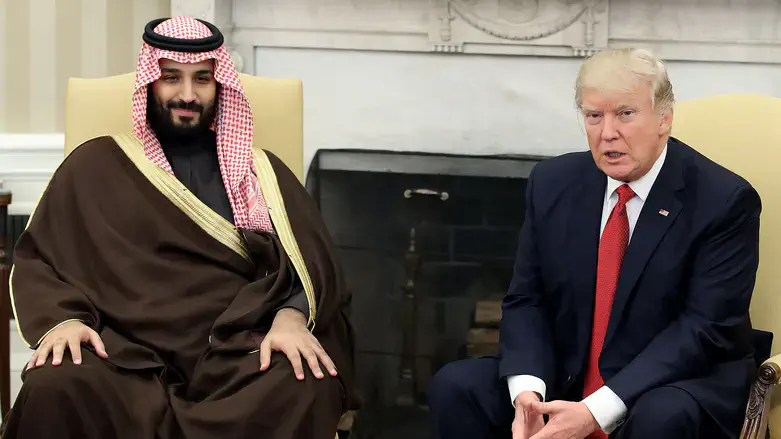
Saudi Crown Prince Mohammed bin Salman held a telephone conversation with US President Donald Trump on Saturday to express deep misgivings over potential broad-scale military strikes targeting Iran, according to two US officials and a knowledgeable source who spoke with Axios.
The discussions come as Trump evaluates severe retaliatory bombardment against Iranian energy targets following a missile strike on an American base in Jordan and ongoing harassment of commercial shipping in the Strait of Hormuz.
Final execution orders have not yet been authorized by the president, according to Axios, despite reports suggesting otherwise on Friday.
In response to potential bombardment, Tehran has pledged to strike energy and infrastructure installations throughout Israel and neighboring Gulf nations.
"The Saudis expressed concern and asked for clarity about the plan of action," one US official told Axios.
A second source aware of the call noted that the Saudi Crown Prince directly encouraged Trump to pursue de-escalation and refrain from approving the military operation.
Neither the White House nor the Saudi embassy in Washington offered comment regarding the exchange.
The high-level call follows a Wednesday meeting where Trump received Saudi Defense Minister Prince Khalid bin Salman. That sit-down was appended to the defense minister's itinerary after he met with Vice President Vance to communicate Riyadh's preference for diplomatic calming, despite a joint US-Saudi strike executed earlier in the week against pro-Iranian militias in Iraq.
A source familiar with the matter stated these sessions were arranged to convey the Crown Prince's strategic outlook on the conflict and regional dynamics.
Riyadh remains among Washington's most vital Middle Eastern allies, having successfully shaped Trump's strategic posture toward Tehran during several pivotal moments since hostilities began.
Concurrently, other regional nations - including Qatar, the United Arab Emirates, Turkey, and Pakistan - are exerting diplomatic pressure on both Washington and Tehran to avert further fighting, according to Axios.
On Saturday, Iranian Foreign Minister Abbas Araghchi conferred with Pakistani military chief Field Marshal Asim Munir, who has served as an intermediary between the two warring capitals. Araghchi also held consultations with foreign ministers from Turkey and Saudi Arabia regarding prospective US operations.
"Any hostile action by the US or Israel - or participation or cooperation by regional countries in such actions - would be met with a decisive and proportionate response from Iran's powerful armed forces," Araghchi told his Saudi counterpart, according to a statement on his Telegram channel.