

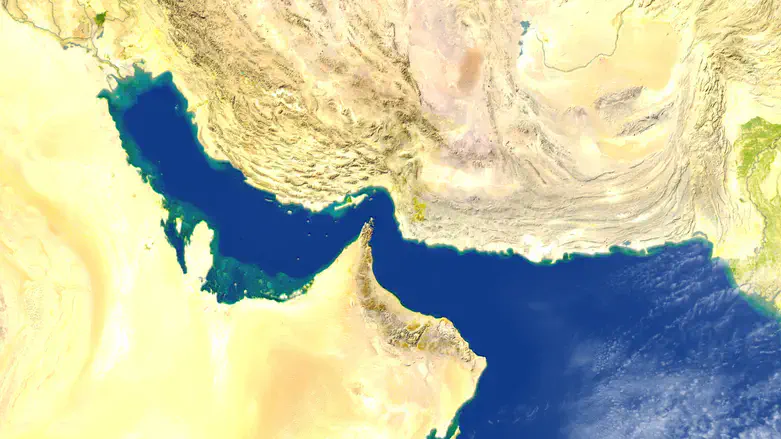
Maritime transport through the Strait of Hormuz experienced a major contraction on Sunday after Tehran re-implemented a total closure of the strategic waterway, alleging that the United States and Israel breached provisions of their provisional peace accord, Reuters reported.
According to data compiled by the vessel tracking firm Kpler and cited in the report, the quantity of ships successfully crossing the vital choke point dwindled to just five on Sunday, down from 26 transits recorded the previous day.
Among Sunday's limited passages were three Very Large Crude Carriers (VLCCs), each loaded with 2 million barrels of Saudi Arabian fuel oil and crude, with one bound for Japan. Analysts noted the data figures could understate actual numbers, as some regional vessels regularly deactivate their transponders while navigating Gulf waters.
On Saturday, Iran claimed that it would close the Strait of Hormuz due to alleged American and Israeli violations of the ceasefire. US Vice President JD Vance contradicted the reports, saying there was no indication that the waterway had been closed.
Prior to Sunday's collapse in traffic, Saturday's outbound maritime activity included three VLCCs transporting crude oil from Iraq, Kuwait, and the United Arab Emirates, alongside three specialized refined product tankers. Kpler data also indicated that 13 ships, including a pair of VLCCs, sailed into the Gulf on Saturday.
Meanwhile on Sunday, US President Donald Trump told Fox News that Washington could become the “guardian angel" of the Strait of Hormuz and take 20% of the oil.
“We may take control of the strait if we need to. I’ll blow them to pieces. If they don’t make a deal, we’ll charge transit fees," Trump added, issuing a threat toward Iran.
Iran had earlier agreed to ensure the safe passage of commercial vessels, free of charge, for only 60 days, from the Persian Gulf to the Gulf of Oman and in the opposite direction.
The United States lifted the naval blockade in the area following the signing of a memorandum of understanding with Iran.