

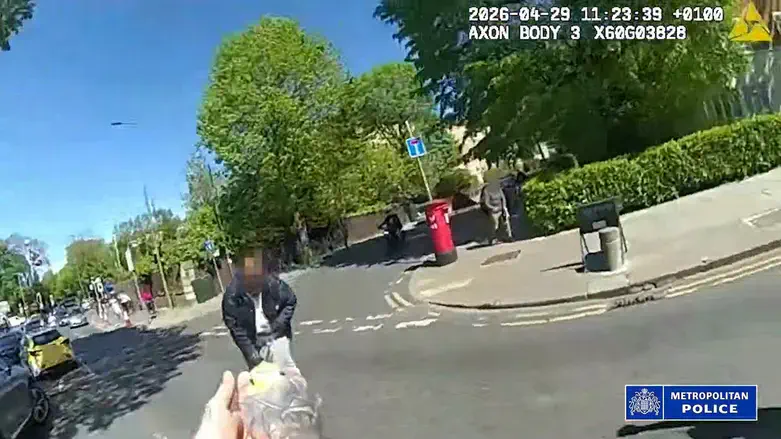
Green Party leader Zack Polanski has come under sustained pressure after being forced to apologise for sharing a social media post that criticised police officers involved in the arrest of a suspect following the Golders Green stabbing incident.
The post, reported by the Daily Mail, suggested excessive force by officers and triggered immediate backlash from police representatives, Jewish community leaders, and political opponents. Within hours, Polanski issued an apology, stating he had shared the content “in haste" and acknowledging that social media was not an appropriate forum for commenting on active police operations. The apology came after intense criticism across the political spectrum.
Senior political figures have since called on Polanski to take stronger action against antisemitism within the Green Party. UK government minister Steve Reed said the apology was “not enough," urging the party leadership to “get a grip" on what he described as a growing internal crisis and to remove candidates accused of promoting antisemitic rhetoric.
Prime Minister Keir Starmer also condemned Polanski’s initial comments, calling them “disgraceful" and arguing that he was “not fit to lead any political party." Other political opponents, including Reform UK leader Nigel Farage, accused the Greens of tolerating extremist views within their ranks.
Further controversy has emerged over allegations that several Green Party candidates have shared or endorsed content viewed as antisemitic or supportive of extremist narratives. Reports in British media have cited examples of inflammatory online posts, prompting renewed scrutiny of the party’s candidate selection process.
The Green Party has acknowledged weaknesses in its vetting procedures, stating that local branches hold primary responsibility for candidate approval. Party officials say internal reviews are underway as pressure continues to grow over the handling of extremist-linked allegations and broader concerns about antisemitism within its ranks.