


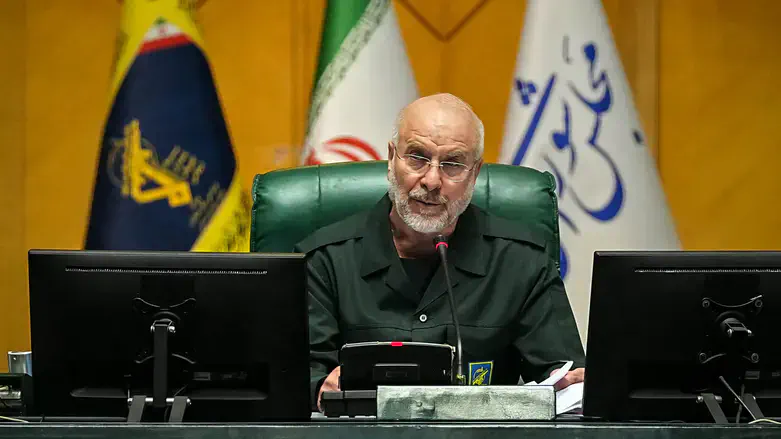
The Trump administration is quietly considering Iran's parliament speaker, Mohammad Bagher Ghalibaf, as a potential negotiating partner and even a possible future leader of the country, Politico reported on Monday. This reflects a shift from military pressure to seeking a negotiated resolution amid the ongoing conflict.
Ghalibaf, 64, who has repeatedly threatened retaliation against the United States and its allies, is viewed by some in the White House as a pragmatic figure who could lead Iran and engage in talks during the next phase of the war, according to two administration officials cited by Politico.
The White House is not committing to any single individual and intends to evaluate multiple candidates to identify one willing to reach an agreement, the officials said, speaking on condition of anonymity to discuss internal deliberations.
“He’s a hot option," one official said, adding that no decisions have been made. “He’s one of the highest…But we got to test them, and we can’t rush into it."
White House press secretary Karoline Leavitt stated in response, “These are sensitive diplomatic discussions and the United States will not negotiate through the news media."
The report comes hours after President Donald Trump announced a five-day pause on “any and all military strikes against Iranian power plants and energy infrastructure" to allow diplomatic negotiations between Tehran and Washington, adding that the US is reaching out to “very solid" figures inside Iran.
Ghalibaf later denied reports that he was representing the Iranian regime in talks with the US.
"Our people demand the complete and humiliating punishment of the aggressors. All officials stand firmly behind their Leader and people until this goal is achieved," Ghalibaf wrote on social media.
According to the speaker, "No negotiations with America have taken place. Fake news is intended to manipulate financial and oil markets and to escape the quagmire in which America and Israel are trapped."
Despite Ghalibaf’s denial, administration officials quoted by Politico described his statement as internal posturing.
“We’re in the testing phase of really trying to figure out who can rise, who wants to rise, who tries to rise," one official said. “And then as people rise, we’ll do a quick test, and if they’re radical, we’ll take them out."
A senior White House official said Trump seeks a peace deal this week for progress on the Strait of Hormuz and a ceasefire.
“POTUS, like anyone, would rather have peace than war," the official added.