


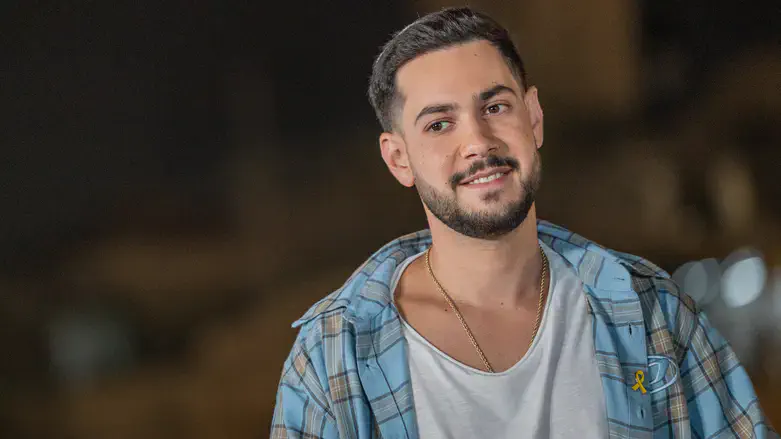
Eliya Cohen, who was kidnapped during the October 7 massacre and released from Hamas captivity in Gaza in February, after 505 days, shared his process of readjusting to everyday life.
In an interview on Yasmin Lukatsch's podcast, he said, "I haven’t done rehabilitation. I haven’t really started anything or done anything."
He added, "The feeling that I have friends going through what I went through for so long, I couldn’t really handle it."
It was only after his close friends returned home that he allowed himself to "breathe, truly celebrate, and genuinely smile from the heart."
Cohen also said that his captivity led him to approach every challenge with a new perspective.
"I understand that almost with everything, there could always be something worse," he explained.
"Suddenly when you lose everything and realize what really matters, it’s very hard to desire material things. It doesn’t matter how much money you have or what car you drive, but how many people surround you and how many of them will stand by you in your hardest moments."
His emotional marriage proposal to his girlfriend, Ziv Abud, symbolizes for him a form of rebirth. Due to the time that had passed, they decided to start over. On the second day after his return, they had a "date" at the hospital to "get to know each other again" and rebuild their relationship. When he proposed, she was surprised. "I waited for that moment. Together, we realized that everything is possible."
Eliya and Ziv attended the Nova music festival in the early hours of October 7. When the terrorists arrived, the two hid in a nearby bomb shelter, where they were fired on by Hamas terrorists. Ziv succeeded in surviving by hiding under the dead bodies around her, and Eliya was kidnapped to Gaza.
Cohen has been writing about his experiences in captivity since his return to Israel. He explained, "I knew that if I didn’t do it at that moment, many things would likely be missed."
Describing himself as "a believer in my own way," Cohen shared that his relationship with his religious parents has been maintained thanks to their unconditional acceptance and love. During captivity, prayer and the kiddush he made over water on Shabbat helped him. "Every time I made kiddush and sang, I sent energy to my family, showing that I’m with them."