

The United States has lifted most of its sanctions on Syria, a move described by officials as an “opportunity” for the war-torn nation to rebuild its economy after over 14 years of civil war, according to a report in The Financial Times.
The decision, formalized by an executive order signed by President Donald Trump on Monday, marks a significant shift in US policy toward the Arab state.
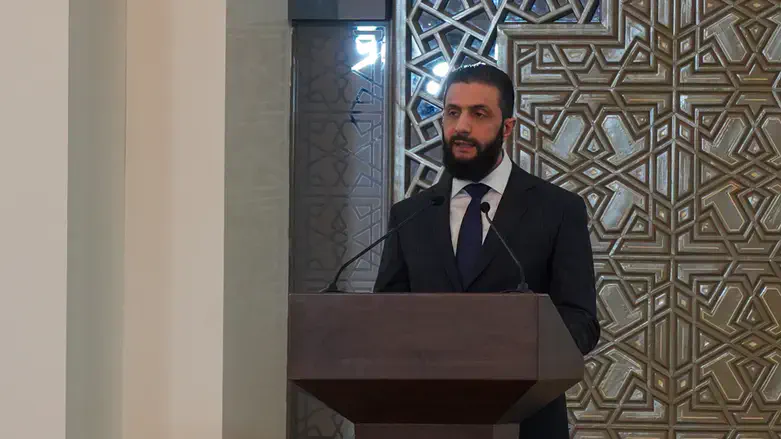
The White House announced on X that the termination of the sanctions program is a vote of confidence in Syria’s new leader, Ahmed al-Sharaa. Sharaa's Islamist movement led a rebel offensive last year that toppled the more than 50-year rule of Bashar Al-Assad.
President Trump first revealed plans to lift the sanctions during a visit to Riyadh, Saudi Arabia, in May, stating the intention was to bolster Sharaa's nascent government. During that trip, Trump met Sharaa, describing him as a “tough guy” and a “fighter” with a “very strong past.” Washington is also exploring the normalization of relations with the new Syrian government.
While most sanctions are being lifted, US officials indicated that the executive order allows Washington to “maintain sanctions where appropriate,” including against the exiled Assad, his associates, and “other destabilizing regional actors.”
Brad Smith, acting under secretary of the office of terrorism and financial intelligence at the U.S. Treasury department, said, “Today’s actions… will end the country’s isolation from the international financial system, setting the stage for global commerce and galvanizing investments from its neighbors in the region, as well as from the United States.”
Smith further stated that Trump had “responded decisively at this historic moment, announcing that US sanctions would not stand in the way of what could be a brighter future for the country.”
The sanctions relief aligns with the Trump administration’s broader Middle East objectives, with officials expressing hopes that Syria could eventually join the Abraham Accords with Israel.
Foreign Minister Gideon Sa’ar stated earlier on Monday that Israel would be open to establishing ties with Syria.
Axios reported earlier this month that Prime Minister Benjamin Netanyahu has expressed interest in launching US-mediated negotiations with the new Syrian government.
According to the report, Netanyahu conveyed his interest during a recent meeting with US Envoy to Syria, Tom Barrack. The Prime Minister is aiming to reach a revised security agreement with Damascus, ultimately leading to a full peace accord. This would mark the first direct diplomatic engagement between Israel and Syria since 2011.
Lebanon’s LBCI channel reported on Sunday, citing sources familiar with developments in Syria, about Syria’s conditions for a peace agreement with Israel.
According to the report, the conditions include Israeli recognition of the regime of Syrian President Ahmed al-Sharaa, withdrawal from territories captured by Israel since last December and from the buffer zone in the Golan, a halt to Israeli airstrikes in Syria, and security arrangements in southern Syria — particularly along the border and the tri-border area with Jordan.
Most importantly, according to the report, Syria is demanding US guarantees for the agreements and American support for the Syrian regime.
In return, Syria would recognize Israeli sovereignty over the Golan Heights.