

"There is no brigade or division commander who does not ask for more combat intelligence collection teams in enemy territory, and even if he has some, he will want more." That is how the commander of the Combat Intelligence Collection Corps' training base describes the operational importance of its soldiers on the battlefield.
In an interview with Arutz Sheva - Israel National News marking the induction of a new round of soldiers, he discusses training that combines combat skills, intelligence collection and advanced technology, as well as the experience he gained commanding the 869th Battalion during the fighting in Lebanon.
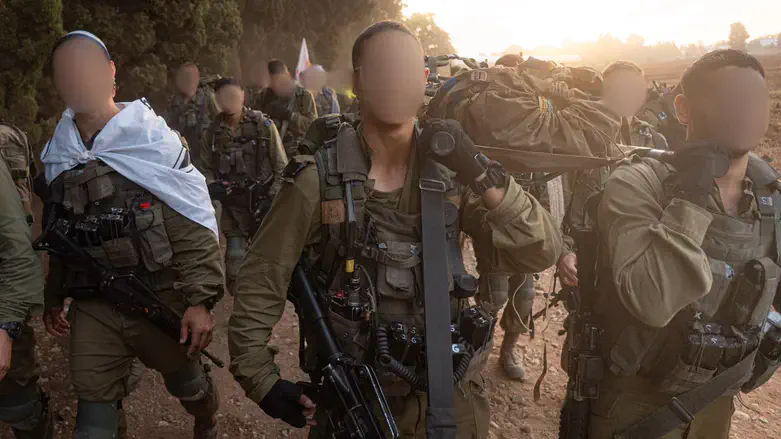
The new recruits, arriving at the IDF induction center over two days, will begin an eight-month training program before joining combat intelligence collection battalions in various sectors. According to the commander, their intended mission is far more complex than observing events across the border.
He explains, "Combat intelligence collection is one of the most combat-oriented techniques in any military in the world. Gathering intelligence and information from the field through combat forces and soldiers, using every means, from their own eyes to advanced technological tools."
He says combat intelligence collection soldiers combine observation skills with the operation of technological equipment, including binoculars, drones and robotic systems. They carry out their missions in the field, sometimes behind enemy lines, adapting their methods to operational needs.
The information gathered is intended to help commanders understand the battlefield situation, identify threats, plan operations and direct forces against the enemy.
He says, "This demands a very high level of ability from soldiers, both in understanding the terrain and the enemy, and in analyzing the operational environment."
He stresses that combat intelligence collection soldiers must not only identify what is happening in the field, but also understand the significance of the information they gather and how it fits into the broader mission.
He says the soldiers must ask themselves whom they are collecting information for, what purpose it serves and how it can be turned into intelligence that will assist forces in the field. He adds, "Combat intelligence collection soldiers are the eyes and ears on the ground."
He explains that the importance of the corps also stems from its ability to complement the intelligence picture obtained from other sources. While some information is collected through intelligence systems that do not operate on the battlefield, combat intelligence collection soldiers provide firsthand information from the operational area where the forces are deployed.
He says missions are carried out both in defensive combat and in enemy territory, through covert or relatively overt activity, while maintaining methods that do not expose the force conducting the mission.
The soldiers' training was designed to address this complexity. They first qualify as combat soldiers, then focus on acquiring intelligence collection skills and learning to use the corps' specialized equipment.
During training, recruits are assigned different specialties and roles according to the teams they are expected to join later in their service. Some will undergo additional advanced training after completing the program, including courses that are classified.
The Combat Intelligence Collection Corps is distinguished not only by the equipment its soldiers use, but also by their extensive familiarity with the sectors in which they operate.
Unlike battalions that deploy to a sector for a limited operational tour before being replaced, combat intelligence collection battalions specialize in fixed sectors, building long-term familiarity with the terrain, population and threats. He says, "The only units present and developing their expertise around the clock are the combat intelligence collection battalions, which do not switch sectors or rotate into a frontline assignment. They specialize in their particular sector, and they do the same during combat."
He says this familiarity provides a significant advantage in missions to defend Israel's borders. Intelligence collection personnel study the characteristics of their sector and the communities and residents they are tasked with protecting, while also becoming familiar with the enemy operating across the border.
During combat, their knowledge of the terrain and ability to locate targets enable intelligence collection teams to work alongside frontline forces, helping identify enemy forces and direct action against theHe
He says that during the war, he repeatedly witnessed the high demand for combat intelligence collection teams among field commanders. He says, "In combat, given the number of targets located and targeting cycles to eliminate enemy forces, the relevance and need are so great that I do not know a single brigade or division commander who does not ask for more combat intelligence collection teams in enemy territory."
He notes that the teams are needed at different stages of operational activity: before forces enter an area, during the fighting itself and after forces establish positions in new areas.
He's remarks draw on his operational experience as commander of the 869th Battalion, which operated in the Lebanon sector. During the war, he commanded the battalion during ground maneuvers against Hezbollah and was responsible for intelligence collection operations in the sector.
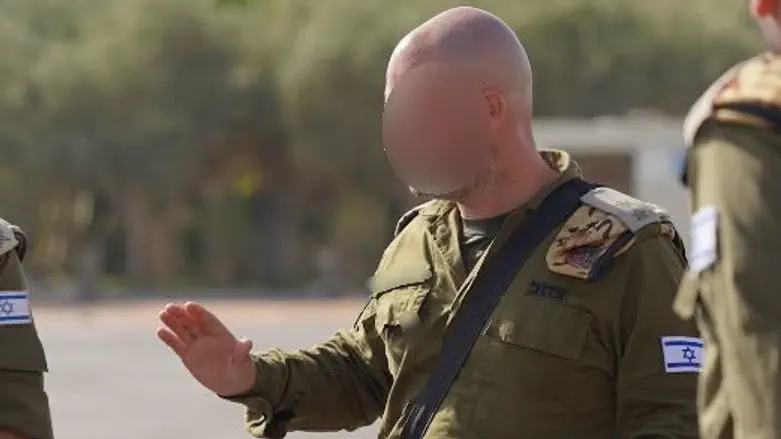
For him, taking command of the training base also carries special personal significance. He is the first commander of the base to have undergone his own military training at the same facility where he now commands the next generation of combat soldiers.
Returning as its commander after years of operational service and command brings his career full circle in two ways: returning to the place where he began his professional path and having the opportunity to prepare the next generation of combat intelligence collection soldiers for missions he has carried out himself.
As he welcomes the new recruits, He wants to convey a message about the qualities required of combat intelligence collection soldiers and the responsibility they will bear later in their service. He says, "Every combat intelligence collection soldier must show determination, curiosity and patience. I wish them all the best, a smooth induction and challenging, productive training. Later, they will have a team, a sector and the most important mission: protecting the residents and communities along the country's borders."