

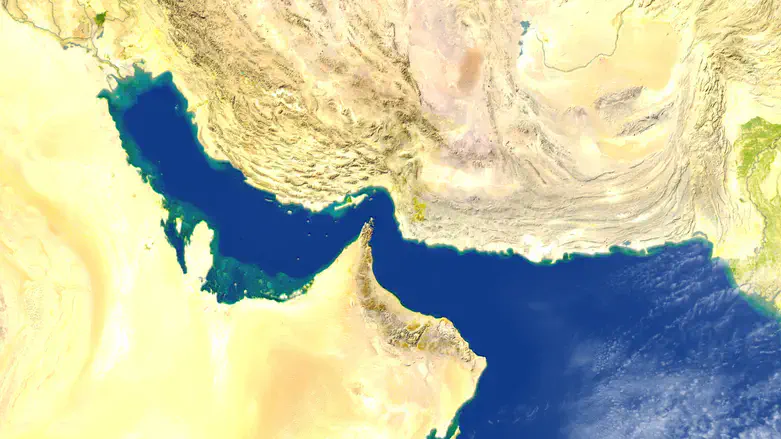
Commodity vessel passage through the Strait of Hormuz dropped sharply over the weekend, according to tracking figures released Sunday night, coming in the wake of strikes targeting commercial vessels as American-Iranian negotiations to resolve regional hostilities reached an impasse.
Tracking records from commodity analytics firm Kpler revealed that five merchant ships crossed the waterway on Saturday, with zero entries recorded on Sunday. This contrasts with the 31 vessel transits logged during the previous weekend.
The ships entering on Saturday comprised an unladen Very Large Crude Carrier traveling with its Automatic Identification System turned off, along with an Indian-flagged Very Large Gas Carrier navigating via Iranian waters, per Kpler. Simultaneously, a smaller tanker carrying Iranian fuel oil made its exit.
Maritime movement contracted significantly after authorities in the United Arab Emirates reported that three ships run by the Abu Dhabi National Oil Company were targeted while in transit last week. In response, American officials stated that the US Navy is prepared to sustain its maritime blockade against Iran indefinitely.
While unrecorded traffic might slip through using disabled transponders, present movement remains far below pre-conflict averages, when upwards of 130 vessels daily navigated the passageway prior to the launch of US-Israeli military actions against Iran in February.
Iran’s Foreign Minister Abbas Araghchi communicated through local media outlets on Saturday that maritime traffic would only normalize if Washington complies with Tehran's terms regarding the waterway.
Prior to the outbreak of hostilities, approximately 20% of global crude oil and liquefied natural gas crossed through this key maritime passage.
Iranian forces originally shut down access through the Strait of Hormuz following joint US and Israeli air strikes launched against Iran on February 28.
Following a breakdown in diplomatic discussions held in Islamabad, the US implemented a naval embargo on April 13, authorizing US Central Command (CENTCOM) to board and inspect ships arriving at or departing from Iranian ports to curb Tehran's oil exports and sea traffic.
Although a provisional 60-day arrangement reached in June briefly lifted the embargo in exchange for unhindered commercial transit, US forces restored the naval blockades last month after renewed armed clashes and attacks against regional shipping resumed.
Efforts to reach a diplomatic resolution remain locked in place. US President Donald Trump noted last week that Washington is maintaining a restrained approach toward Tehran, arguing that the naval blockade has intensified Iran's economic struggles and rendered the government short on funds to compensate its armed forces.
Tensions escalated over the weekend following comments made by Trump during a Friday campaign gathering, where he expressed an intention to declare US control over the strategic channel.
“After we finish defeating Iran, which is being very badly defeated, pretty soon, I will be declaring the Hormuz Strait a territory of the United States," Trump told the crowd.
In response to Trump's public statements, Iranian Deputy Foreign Minister Kazem Gharibabadi asserted that Tehran maintains sole authority over maritime transit through the Strait of Hormuz. Gharibabadi affirmed that the ongoing naval blockade would remain in place until Washington acknowledges its "strategic defeat".
On Saturday, senior Iranian lawmaker Ebrahim Azizi appeared to issue a warning to Trump while ridiculing the recent security precaution in which the American president was moved between aircraft in a catering vehicle following assassination concerns.
“The US President ought to worry about his own security rather than his endless bluffing regarding the Strait of Hormuz; before he ends up hiding in a food truck," wrote Azizi, who serves as the head of the Iranian Parliament’s National Security Commission, in a social media post.