

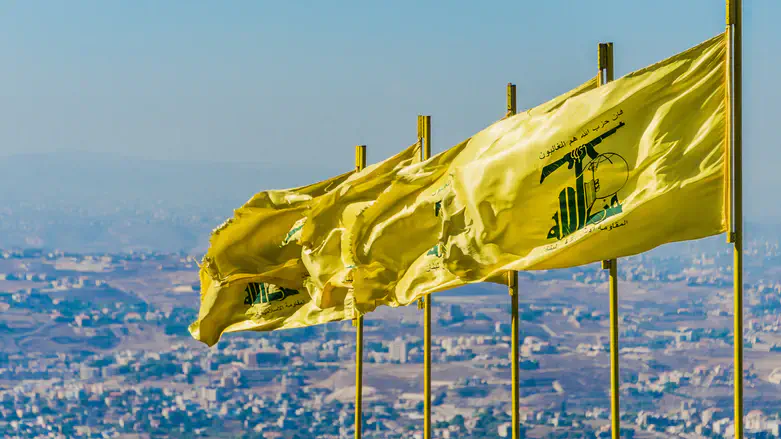
The Netherlands is expanding its military assistance to the Lebanese Armed Forces (LAF) in a strategic bid to fortify Beirut’s control over southern Lebanon and suppress the influence of Tehran's terror proxy, Hezbollah, according to a Wednesday report by Dutch newspaper De Telegraaf.
The Chief of Defense of the Netherlands Armed Forces, Gen. Onno Eichelsheim, traveled to Beirut this week to conduct high-level security talks with his Lebanese counterpart, Gen. Rodolphe Haykal, regarding the expanded bilateral defense framework.
The Hague’s tactical backing is set to prioritize specialized training for Lebanese Army units in border security management and mine clearance operations. Additionally, the partnership involves providing comprehensive support to Lebanese special forces and sharing technological expertise concerning artificial intelligence, communication networks, and defense infrastructure.
The Dutch report also noted that the Netherlands plans to fund the construction of a brand-new military outpost for the LAF.
The Dutch defense chief emphasized that properly preparing Lebanon's state forces requires an immersive, long-term commitment.
“It’s not as simple as saying, ‘Give them a tank and they can start shooting,’" Eichelsheim told De Telegraaf.
He further detailed that if Lebanon's official state military intends to establish itself as the nation's singular legitimate defense organization, it requires a significant influx of hardware, instruction, and institutional support.
Eichelsheim added that bringing the Iranian proxy group under control remains a critical prerequisite for any viable, long-term peace accord with Israel to hold weight.
“Of course, no one is happy that Israel is operating in Southern Lebanon and occasionally even strikes Beirut, but there is an understanding here that Israel has a problem with Hezbollah and that something needs to be done about it," Eichelsheim explained.
The report comes as Israeli and Lebanese diplomats held five rounds of direct peace negotiations mediated by the US State Department. Those talks yielded a regional ceasefire contingent on moving Hezbollah elements entirely out of southern Lebanon, but Hezbollah has repeatedly violated the ceasefire.