

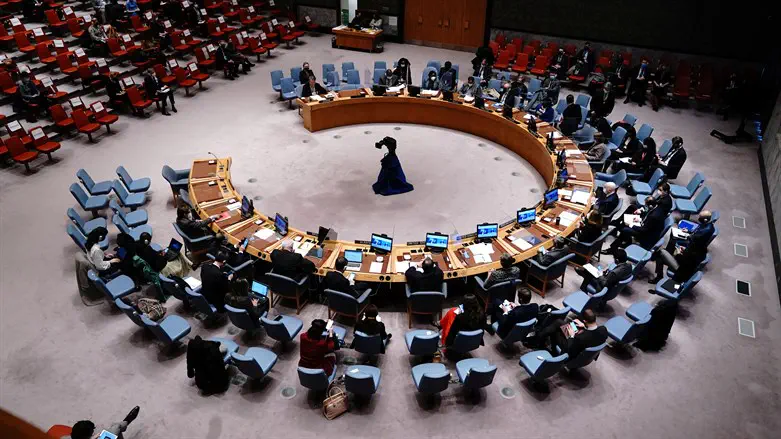
The United States has joined forces with Gulf Arab allies to draft a new United Nations Security Council resolution aimed at halting Iranian interference in the Strait of Hormuz, Reuters reported.
US Ambassador to the UN Mike Waltz announced the initiative on Monday, signaling a renewed effort to address the maritime blockade imposed by Tehran.
This diplomatic maneuver follows a previous attempt last month that was neutralized by vetoes from permanent Security Council members Russia and China. The earlier resolution had sought to create a broader international coalition against Iran following a series of US and Israeli airstrikes targeting the Islamic Republic.
In a shift of strategy, Washington is co-drafting this latest proposal with Bahrain. The document incorporates specific contributions from Saudi Arabia, the United Arab Emirates, Qatar, and Kuwait. By involving regional stakeholders directly, the US hopes to increase the pressure on Tehran to respect international law.
The proposed resolution outlines several mandatory requirements for the Iranian regime, including an immediate cessation of all attacks on commercial merchant vessels and the termination of illegal attempts to collect tolls from ships navigating the strait. Furthermore, the text demands an end to the deployment of sea mines in the waterway and requires the full disclosure of the locations of existing mines to ensure safe passage for the international community.
Ambassador Waltz clarified during a briefing call that this new draft is intentionally more specific than its predecessor. The timing is notable, as it comes while a ceasefire is currently in effect with Iran. Waltz described the document as a "narrower effort" compared to the failed vote from the previous month.
"This is much more focused on mining international waterways and on tolling, which all of the economies of the world are affected by, particularly those in Asia," he said.
The ambassador emphasized that the economic ramifications of Iran's actions extend far beyond the Middle East, impacting global trade and energy stability. Negotiations on the final language of the resolution are scheduled to take place throughout this week in New York.