

Israeli officials now assess that Iran’s ruling regime is unlikely to fall in the immediate future, the Wall Street Journal reported on Thursday, citing people familiar with the matter.
The sources aid that Tehran's leadership remains in control, and conditions on the ground are not yet ripe for a popular uprising. Nearly two weeks into the ongoing war, Iran’s military and political leadership appear functional and responsive, while domestic opponents are subdued by heavy security forces.
Israeli officials now believe that shifting the situation would likely require many more weeks or months of continued conflict, according to the Wall Street Journal.
On Thursday, the IDF outlined more limited objectives for its operations, focusing on degrading Iran’s military capabilities to prevent the regime from posing a significant threat to Israel and the region.
"Our job as a military is when we see a threat to minimize it and push it away for as long as possible," IDF spokesman Nadav Shoshani said during a briefing. “After that, there are more steps at different levels that are beyond the IDF."
The US and Israel are expected to continue exerting pressure on the regime through economic sanctions and covert activities, even after hostilities cease, according to people familiar with the matter who spoke to the Wall Street Journal.
The regime has so far proven resilient, continuing to strike back and inflict damage on the US and its allies, while also disrupting the global economy. A pair of fuel tankers were struck on Wednesday off the coast of Iraq, following previous attacks on cargo ships and oil tankers that have severely disrupted the vital Strait of Hormuz waterway. Dubai residents reported missile warnings and intercepts on Thursday morning, while Gulf countries like Bahrain and Saudi Arabia continue to face attacks. Iranian security services maintain strong control over domestic streets.
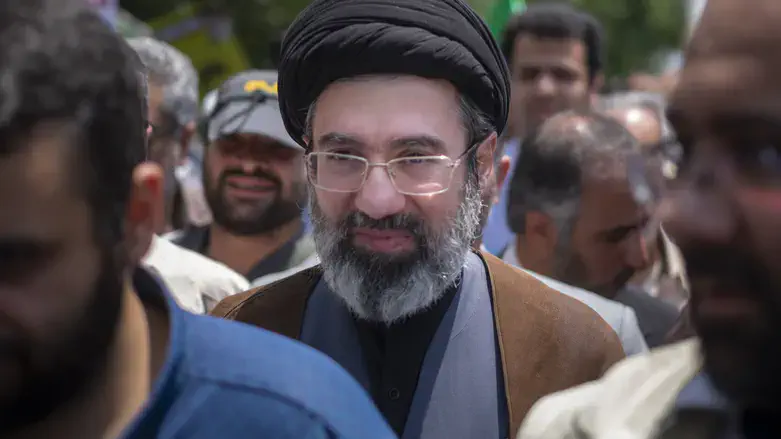
On Thursday, Iranian state media published a statement attributed to the new Supreme Leader, Ayatollah Mojtaba Khamenei, marking his first since taking over from his father, who was eliminated in the early stages of the war.
The statement vowed revenge for US and Israeli actions, ordered forces to keep the Strait of Hormuz closed, and threatened to open new fronts in the war. However, the statement was not accompanied by video or audio, leading to speculation about Khamenei’s condition.