

While residents of the north are recovering from a sleepless night of sirens and interceptions, the IDF is summarizing Thursday morning the successful repulsion of the extensive Hezbollah attack.
Alongside significant operational achievements, the Northern Command is expressing unusual self-criticism regarding the real-time communication of the event to the public.
The IDF admitted Thursday morning that after an unusual buildup by Hezbollah was detected Wednesday, updates could have been provided to the residents in advance to prevent panic and rumors. A senior IDF official emphasized that public trust is critical and promised to learn from the experience.
During the night, approximately 200 rockets and UAVs were launched toward Israel. The air defense system acted to intercept the threats and successfully intercepted the majority of them.
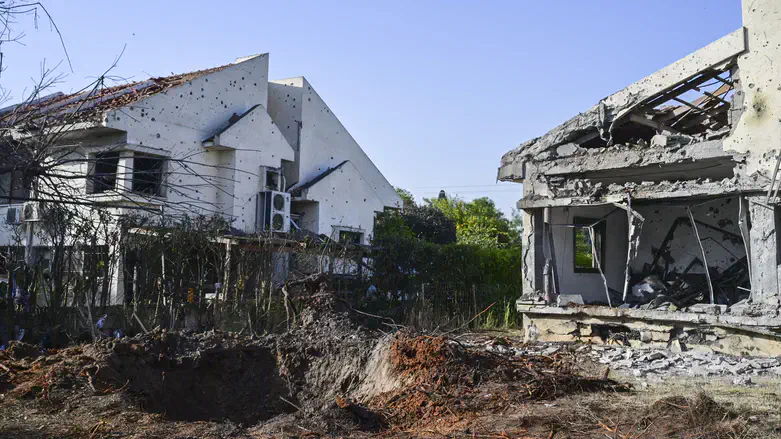
According to the IDF, two rockets fell in Israeli territory, causing damage and light injuries.
The IDF noted that Hezbollah had planned to launch additional waves of rockets and UAVs. Over the course of Wednesday evening, the IDF succeeded in disrupting about two-thirds of the planned launches by neutralizing operatives and attacking launchers and launch areas.
Additionally, during the night, the IDF attacked more than half of the launchers involved in the barrages, neutralizing many operatives.
Alongside the strikes and the ongoing defense battle, the IDF established approximately 20 "defensive clusters" along the border. The IDF emphasized that the operational concept is that "the army meets terrorism, and civilians meet the army."