


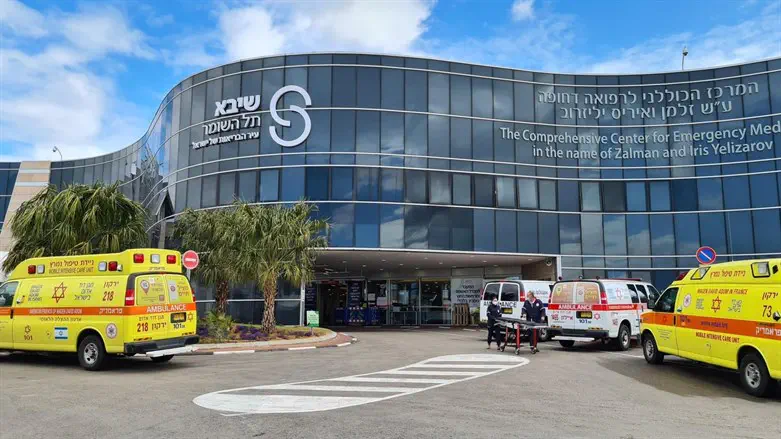
Israel’s health system is on high alert in anticipation of the return of 20 living hostages from Gaza, amid serious concerns about potential physical and psychological harm sustained during the final moments of their captivity.
Hospitals Sheba, Ichilov, and Beilinson are completing preparations to receive the returnees, with Soroka and Barzilai hospitals designated as emergency backup sites. The bodies of deceased hostages will be received at the National Institute of Forensic Medicine.
The Health Ministry has warned that prolonged starvation and harsh captivity conditions have likely weakened the hostages' immune systems, making them especially vulnerable to infectious diseases. As a precaution, all medical staff involved in their care have been vaccinated against influenza and COVID-19.
Hospitals have been instructed to bolster monitoring capabilities, including continuous vital sign tracking, availability of resuscitation carts and ventilators, and precise lab testing. Intensive care units have also been placed on full standby.
A central concern is the risk of refeeding syndrome, a dangerous condition that can occur when severely malnourished individuals begin eating again after prolonged starvation. To prevent this, the Health Ministry has already sent the Red Cross a detailed medical protocol for the proper nutritional reintroduction for the hostages even prior to their return to Israel, in order to prevent severe harm.
“This is one of our greatest fears — that harm may occur in the final moments,” said Dr. Hagar Mizrahi, Head of the Medical Division at the Health Ministry. “We are preparing for the worst and hoping for good.”
Health Ministry Director-General Moshe Bar Siman Tov described the operation as highly sensitive and unprecedented in scope, explaining, “This is a complex logistical mission, possibly the most challenging we've ever faced. We're bringing home twenty living hostages and 28 deceased. Alongside the joy, we must handle the consequences of long and extremely harsh captivity.”
Reception at hospitals will follow an established operational protocol, adapted based on past experience. Returnees will first undergo an initial medical evaluation to detect urgent conditions, after which they will reunite with their families. Hospital assignments will consider family unity, hostages who were held together, and relatives' requests.
Mental health and welfare teams will accompany the hostages and their families throughout the intake process.
Meanwhile, the National Institute of Forensic Medicine is preparing to receive and identify the returned remains. Initial identification will involve dental impressions, CT scans, and DNA samples, with causes of death to be determined in subsequent examinations.