

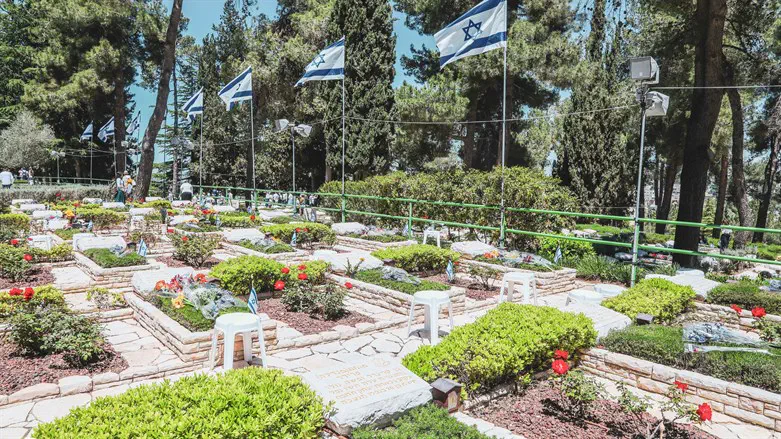
A military undertaker who, over the years, tended to hundreds of bodies and was exposed to some especially traumatic incidents, was recognized on Sunday as a disabled IDF veteran after the Jerusalem Magistrate's Court accepted his appeal of the Ministry of Defense's decision.
The recognition follows a long legal battle led by Atty. Yoav Almagor, an expert in the medical rights of members of the security forces.
According to the details of the claim, the undertaker, born in 1974 to a haredi family, served as a military undertaker for over a decade.
As part of his role, he identified and recovered bodies, sometimes under fire, and tended to funerals and events for bereaved families, and even accompanied families over the years. Among the incidents that were mentioned: The APC explosion on the Philedelphi Corridor (2004), the exhumation of graves during the withdrawel from Gush Katif (2005), the Second Lebanon War (2006), the Mount Carmel forest fire disaster (2010), and the helicopter accident in Romania (2010), as well as dozens of fallen soldiers during Operation Protective Edge.
The undertaker began to suffer severe symptoms of post-traumatic stress, including nightmares, flashbacks, fits of rage, and social isolation. In 2016, he sent a request to the Defense Ministry to be recognized as a disabled veteran, but the ministry declined, claiming he was suffering from "light depression."
After the request was denied, Atty Almagor submitted an appeal including a detailed opinion of an expert psychiatrist indicating severe PTSD. The opinion even noted that the prolonged exposure to bereaved families negates the IDF's casualties doctrine and causes "secondary traumatization."
The appeals committee accepted the appeal in full, and the Ministry of Defense will have to recognize the victim as disabled. The medical committee determined a disability rating of 50% and emphasized the severity of the psychological and functional impairment.
Attorney Almagor stated: "This is an important decision with far-reaching implications for combat support personnel and burial teams involved in the identification and burial of fallen soldiers, who are at high risk for prolonged post-traumatic stress. Recognition of the severe psychological harm suffered by the claimant will help him and many others in similar situations receive the treatment and support they need."