
As some Americans rally against stay-at-home orders, Dr. Michael Osterholm says these protesters need to understand preventing the spread of the coronavirus is “about life and death”
While he predicts the virus has infected nearly 5% of the U.S. population so far, he also thinks the percentage of infected Americans could increase to 50% to 60% over the next 12 to 18 months. The number of serious illnesses and deaths will also hike, says Osterholm, who serves as director of the Center for Infectious Disease Research at the University of Minnesota.
The political and economic issues fueling protests are valid but opening up the economy won’t help experts figure out creative solutions to get through this crisis, he says.
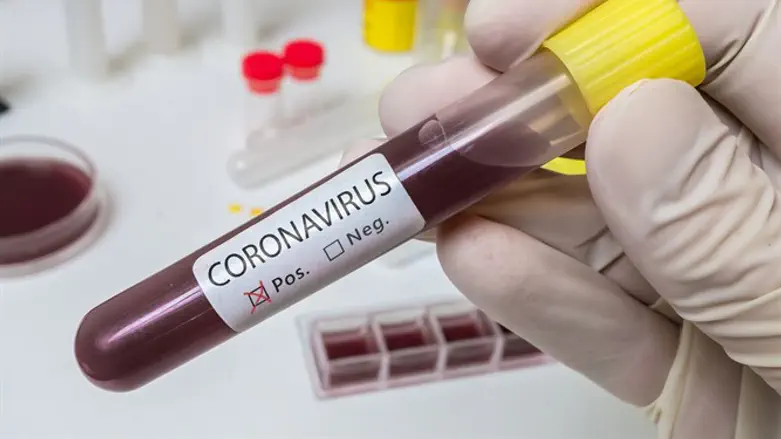
A new study from Harvard University estimates the amount of testing needs to triple before safely reopening the economy. Osterholm says testing has been misunderstood by many people, including leaders making national recommendations.
The U.S. is testing 150,000 people per day. There have been fewer than 4 million tests in total, despite President Trump's promise that 27 million would be done by the end of March.
It’s too late to test our way out of this crisis, he says. When the coronavirus first struck in China, the country could meet the demand for the chemicals that make the tests, called reagents.
“But once this virus spread around the world and the whole world became a COVID fire, we need now to test literally billions of people,” he says. “And the resources for making these reagents, the chemicals that run the test, is just not there.”
To make enough reagents to meet testing demand, new facilities need to be built, he says. This won’t happen overnight, he says — and there hasn’t been a coordinated effort to build new facilities at all.
Osterholm says he predicted this situation weeks ago and thinks the reagents for antibody tests will run out globally within three to four weeks.