

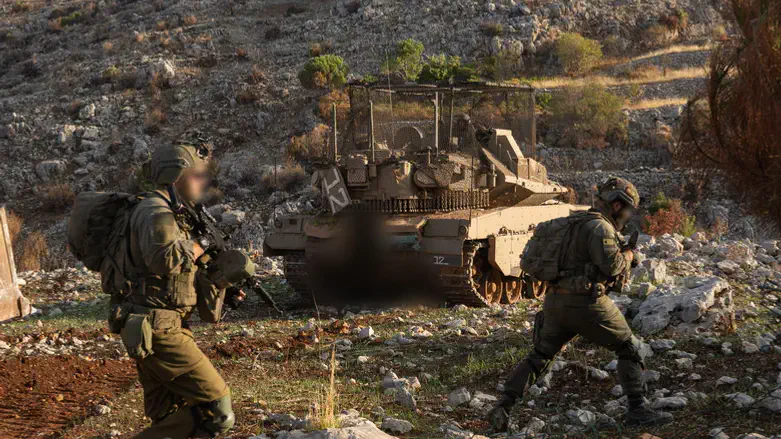
The IDF is preparing to significantly reduce reserve service and troop deployments in combat zones during 2027, following a decision by the chief of staff aimed at easing the burden on service members and restoring military readiness after years of prolonged fighting.
Under the new framework, combat reservists will be required to serve up to 58 days a year, compared with an average of about 90 days in recent years. Of the planned service period, 42 days will be devoted to operational duties.
The IDF also plans to reduce the number of battalions deployed in the Gaza Strip, Lebanon, Syria, and Judea and Samaria, adjusting troop levels to routine security requirements.
One of the main changes concerns the service schedule for combat reservists. Instead of alternating between a week of operational duty and a week at home, the plan calls for service members to spend about two-thirds of their service period on operational duty and one-third at home.
The move is intended to reduce disruption to the daily lives of reservists, many of whom have been called up repeatedly for extended periods since the war broke out in October 2023.
Alongside shorter service periods, the chief of staff has also decided to reduce troop deployments across the various sectors. Under the plan, several battalions will be withdrawn from operational duties across all theaters, while troop levels will remain higher than they were on the eve of the October 7 attack.
Changes will also be made to the deployment of regular brigades. Two brigades will be assigned at any given time to training and operational reserve duties, one in the northern sector and one in the south. Under the plan, each regular brigade will undergo about two months of training and an additional month of refresher training during 2027.
The military says the decision was made amid growing concerns about personnel burnout, equipment wear and declining operational readiness.
One of the main problems identified by the military is the disruption to training. During the past three years of fighting, units and soldiers still undergoing training were required to take on operational duties, sometimes at the expense of their original training programs.
This has created gaps in the professional proficiency of some units, which now require time and resources to complete their training.
The IDF emphasizes that despite the planned troop reductions, its current standby arrangements are more extensive than before the war, including in the Air Force, special forces units and operational reserve forces.
The military makes clear that the plan is based on the current situation assessment and that security developments may require adjustments to call-up levels and troop deployments.