

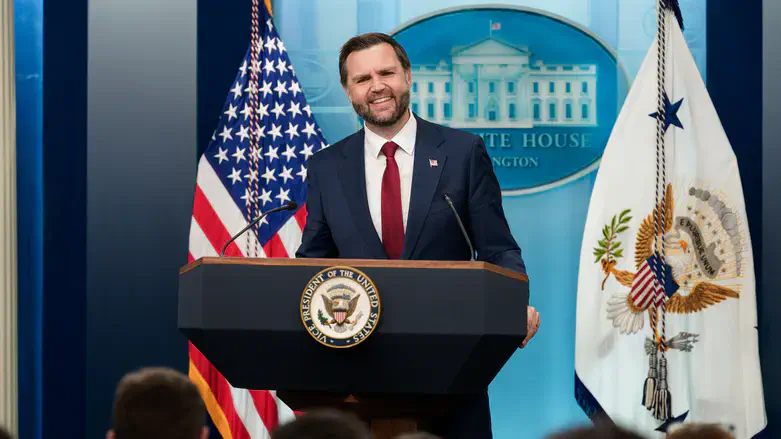
US Vice President JD Vance has yet to decide whether to seek the Republican presidential nomination in 2028 and is unlikely to reach a final decision before the beginning of next year, Axios reported on Sunday, citing two sources familiar with his plans.
According to the report, Vance could wait until late spring to publicly announce his intentions, despite remaining the leading early contender to succeed President Donald Trump as the Republican nominee.
Sources familiar with the Vice President's deliberations said he is genuinely uncertain about entering the race and continues to discuss the possibility with his family, including his wife, Usha, following the birth of their fourth child.
His timetable was reportedly established before the recent midterm elections, although advisers acknowledged that it could change.
The Republican Party's losses in the midterms have introduced new complications for Vance, raising questions about whether the party should continue following the political direction established by Trump.
Nevertheless, Vance's allies maintain that the election results have not significantly weakened his position as the early favorite for the nomination.
His nationwide campaigning during the midterms further strengthened his connections with Republican officials, activists and party organizations across the country.
People close to Vance said his senior political advisers believe he should seek the presidency and expect that he ultimately will.
However, the Vice President's association with the Trump administration could become a liability if Republican voters seek a different political direction following the party's electoral setbacks.
One potentially sensitive issue is the administration's military campaign against Iran.
Vance reportedly opposed the war privately, and his criticism of the conflict following the midterm elections was interpreted by some Republicans as an attempt to distance himself from Trump's decision to launch military operations.
Trump subsequently acknowledged that "a lot of people didn't like [Vance's] comments" about the war, although he said he was not among those critics and maintained that his relationship with the Vice President remained unchanged.
Another consideration is Trump's continued influence over the Republican Party.
Republicans familiar with Vance's thinking believe he is reluctant to announce a presidential campaign too early, fearing that doing so could divert attention from Trump and potentially damage their relationship.
Meanwhile, other prominent Republicans are considering entering the 2028 race.
Texas Senator Ted Cruz has been particularly active in preparing for a possible campaign, with members of his political team reportedly holding discussions about another presidential bid.
However, several Republicans, including some Cruz supporters, question whether he could mount a serious challenge to Vance, especially if Trump endorses his Vice President.
Secretary of State Marco Rubio is regarded by some Republican officials as a potentially stronger competitor.
Rubio has attracted support from influential party donors, including billionaire Ken Griffin, but has repeatedly stated that he would support Vance if the Vice President decides to run.
Rubio's responsibilities as secretary of state and national security adviser have also limited his ability to develop a political organization comparable to Vance's.
Other possible contenders include former Virginia Governor Glenn Youngkin, Georgia Governor Brian Kemp and Florida Governor Ron DeSantis.
DeSantis has been especially critical of the Republican Party's midterm performance, describing the losses as a near "extinction-level event" and arguing that the party should look to Florida's Republican electoral successes as a model for recovery.
A spokesperson for Vance declined to comment on his presidential plans.