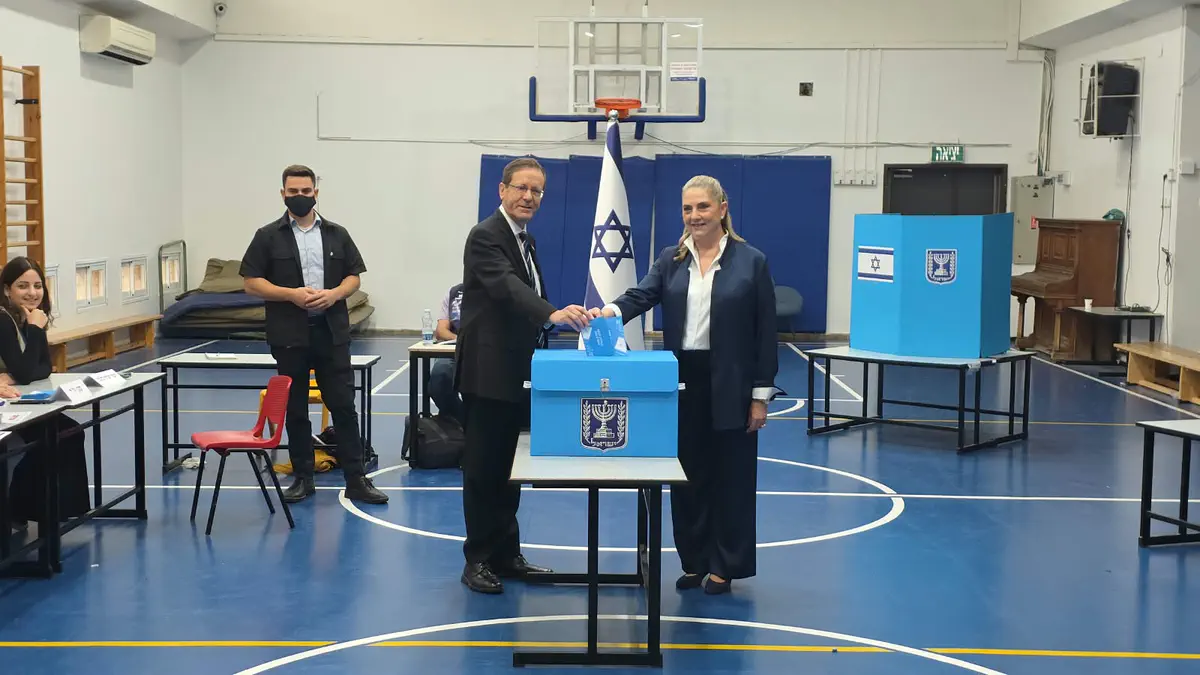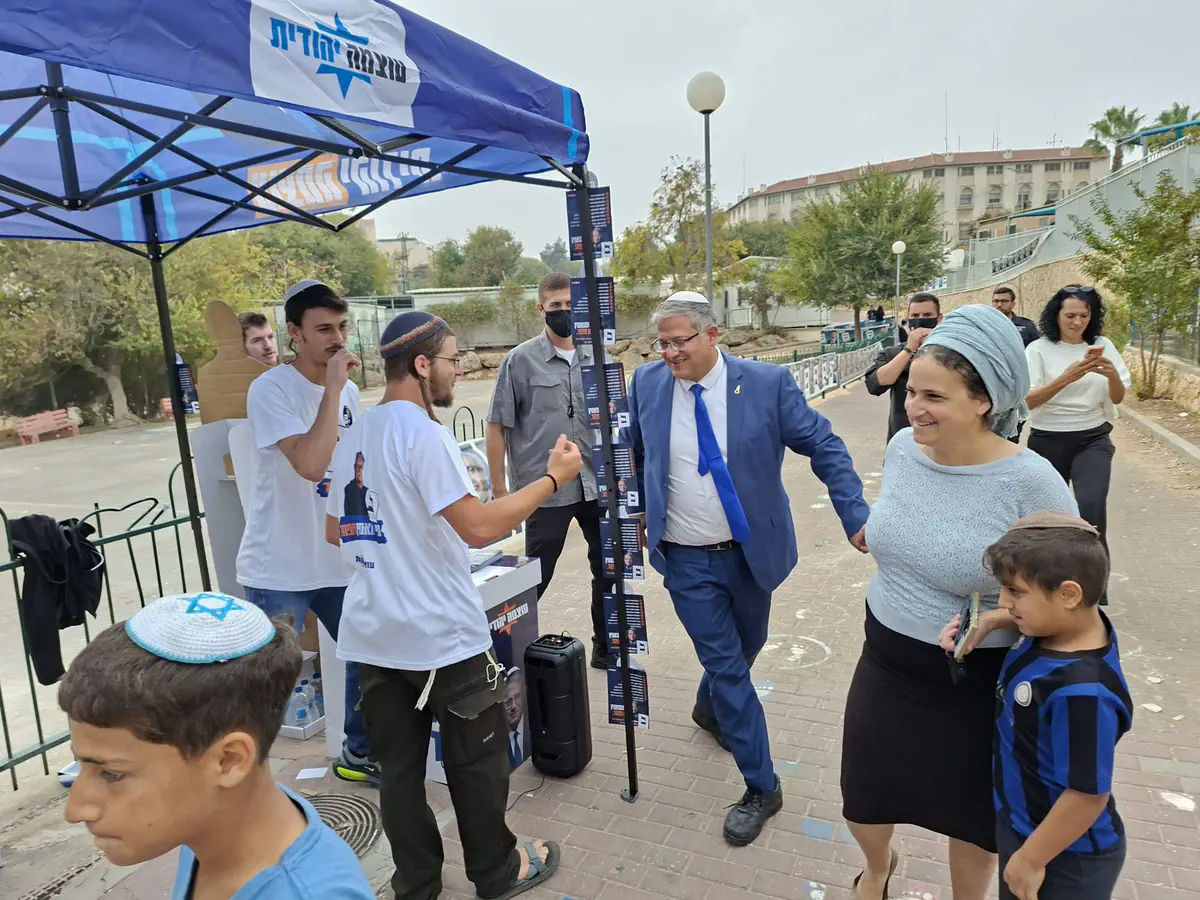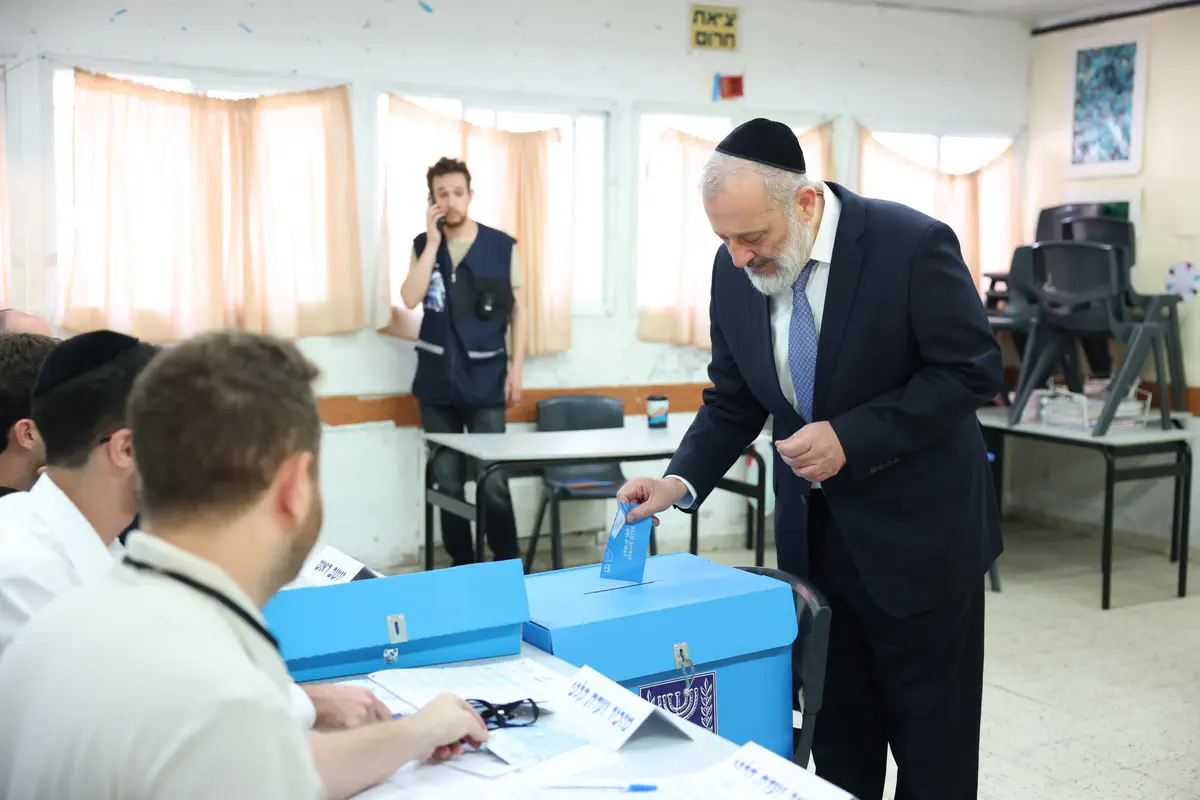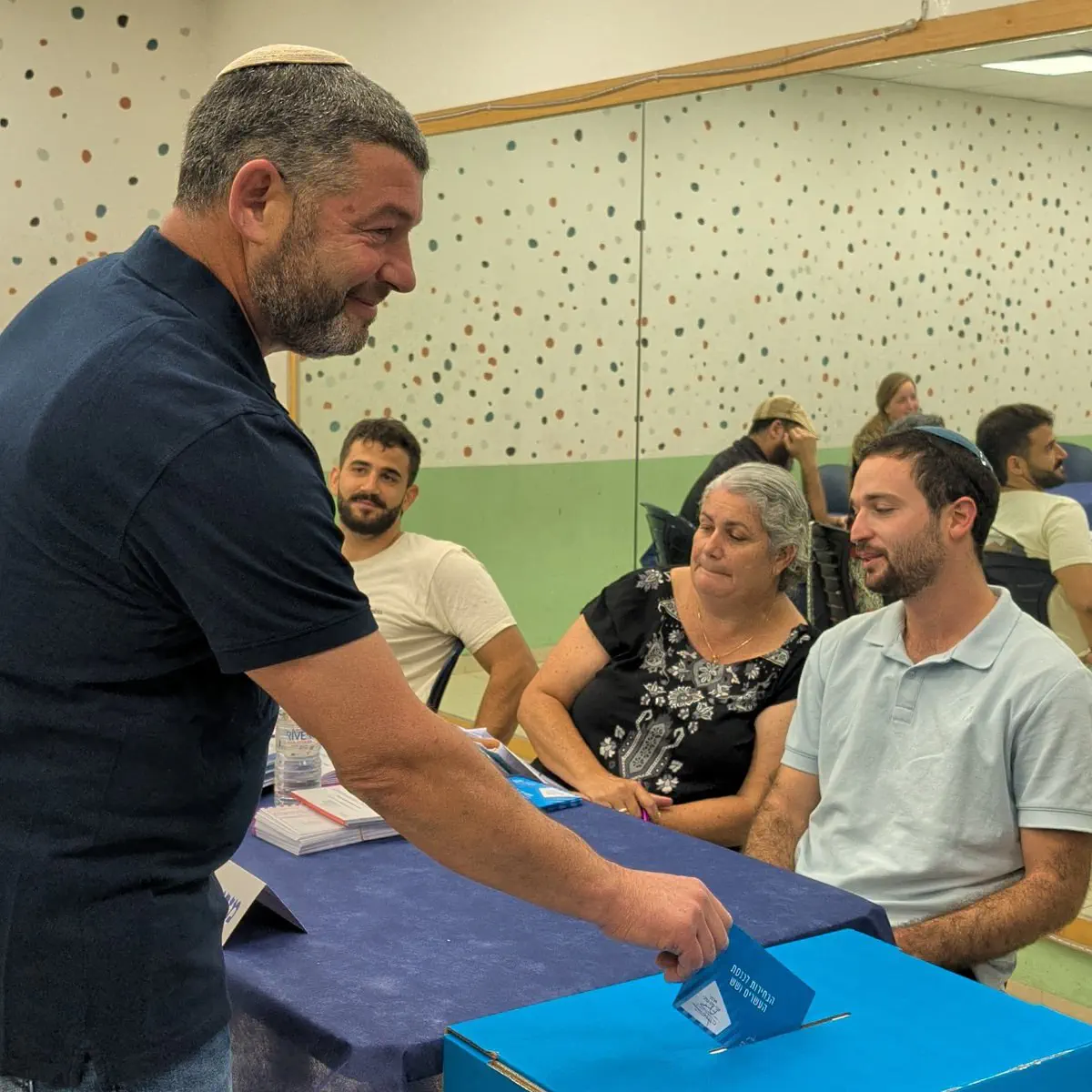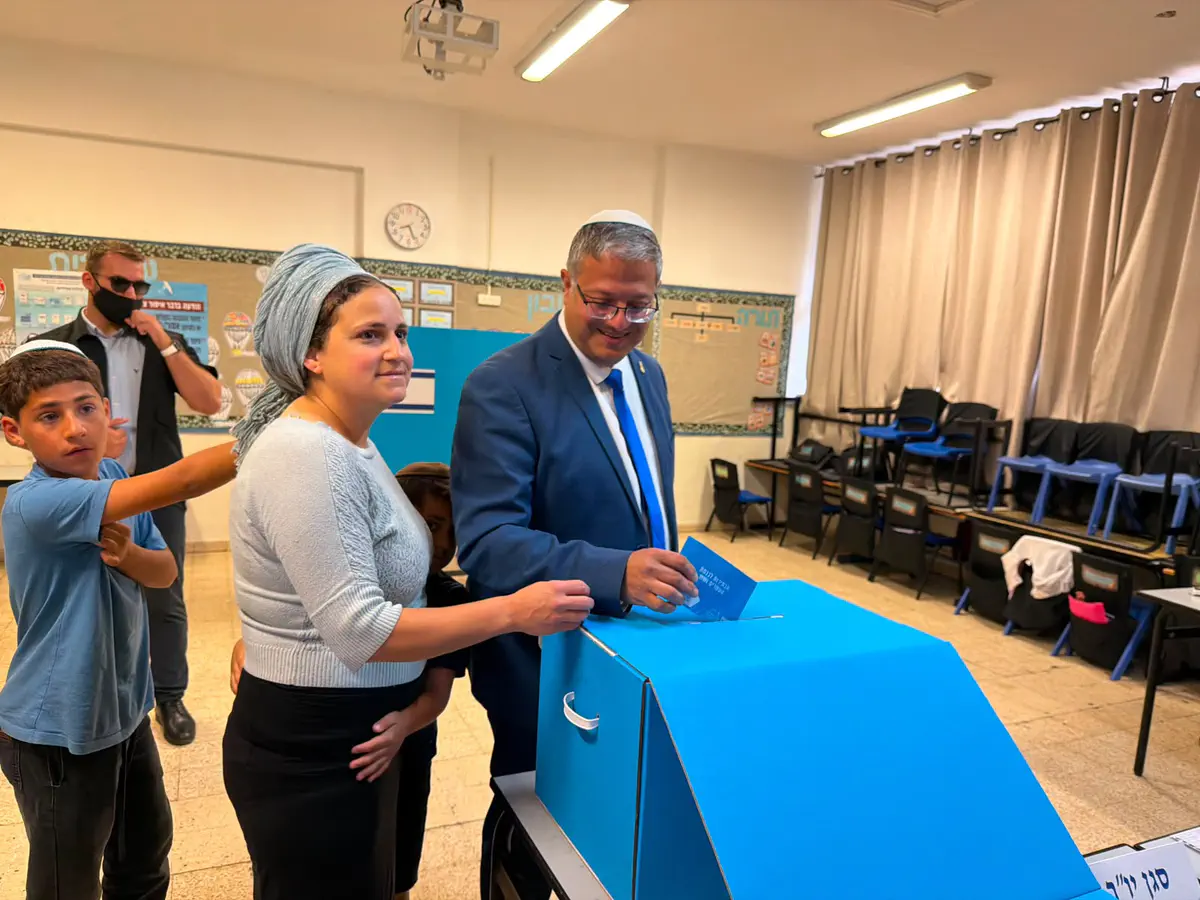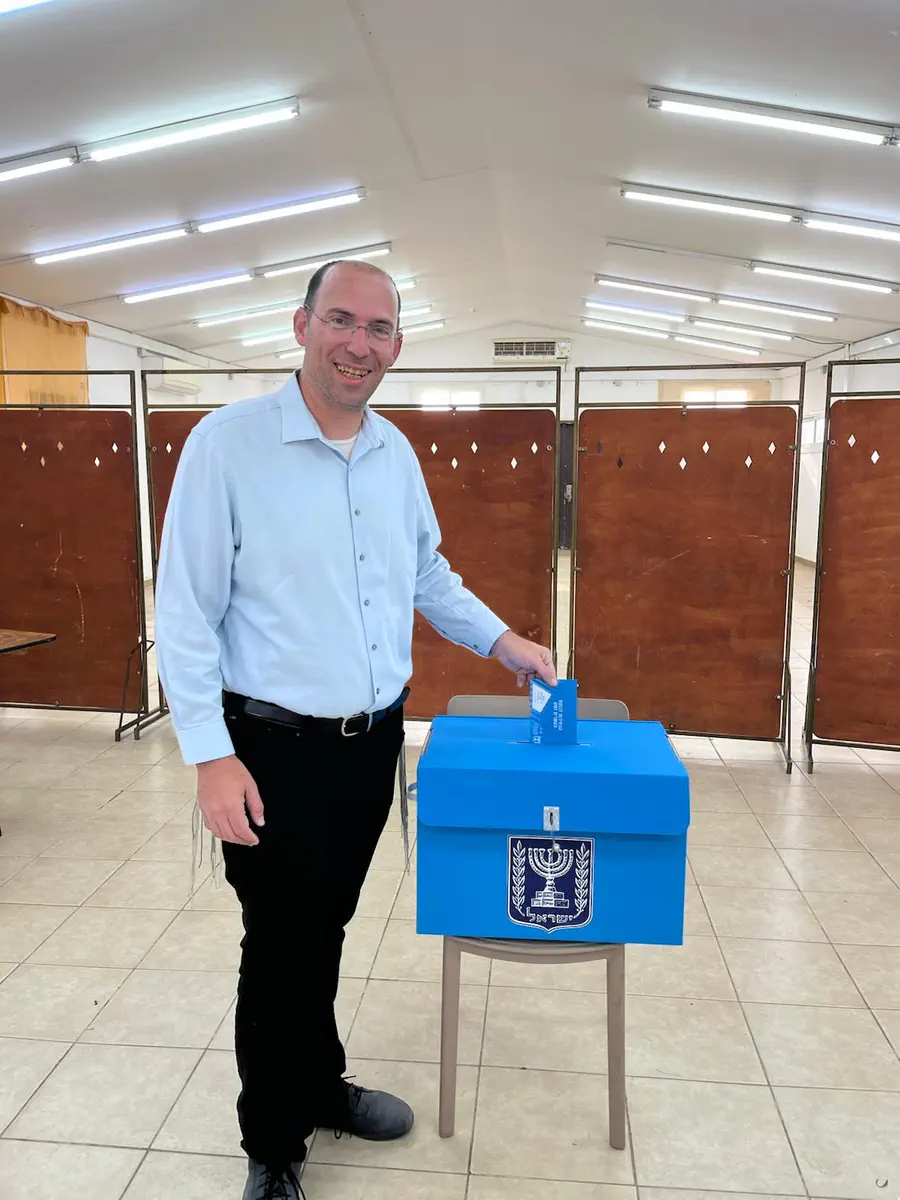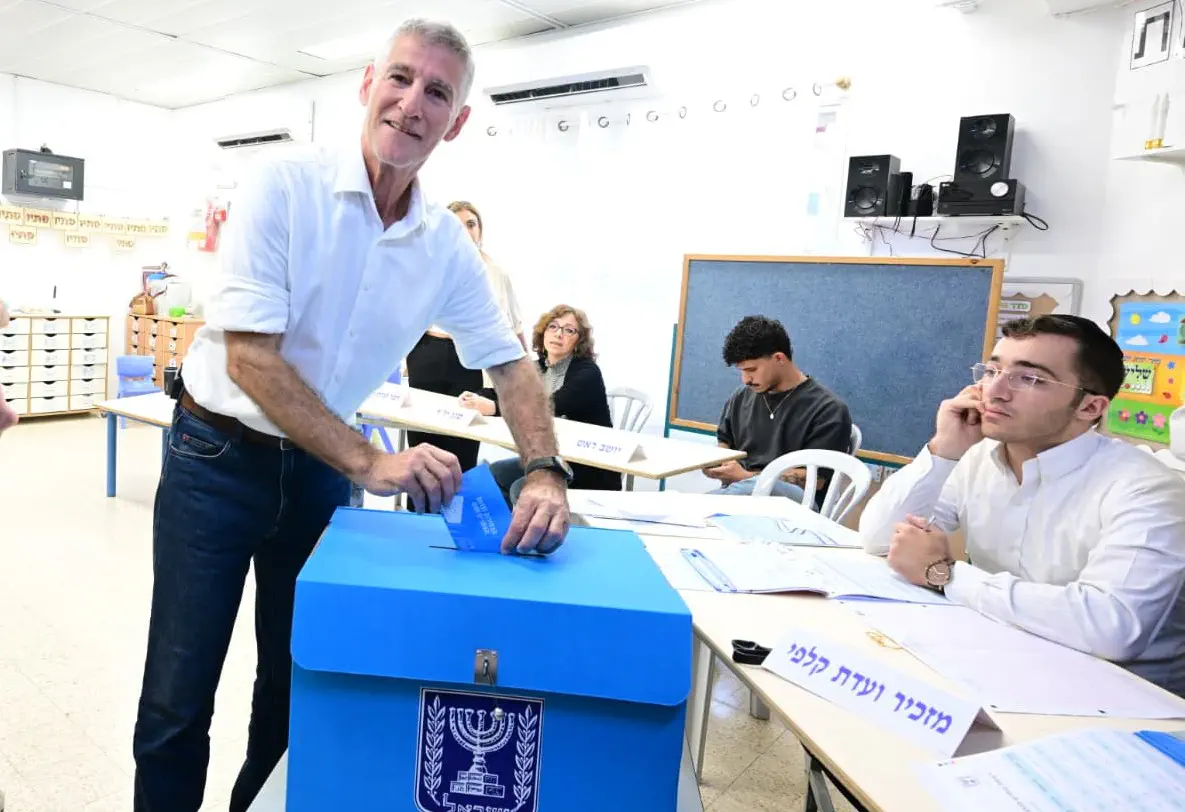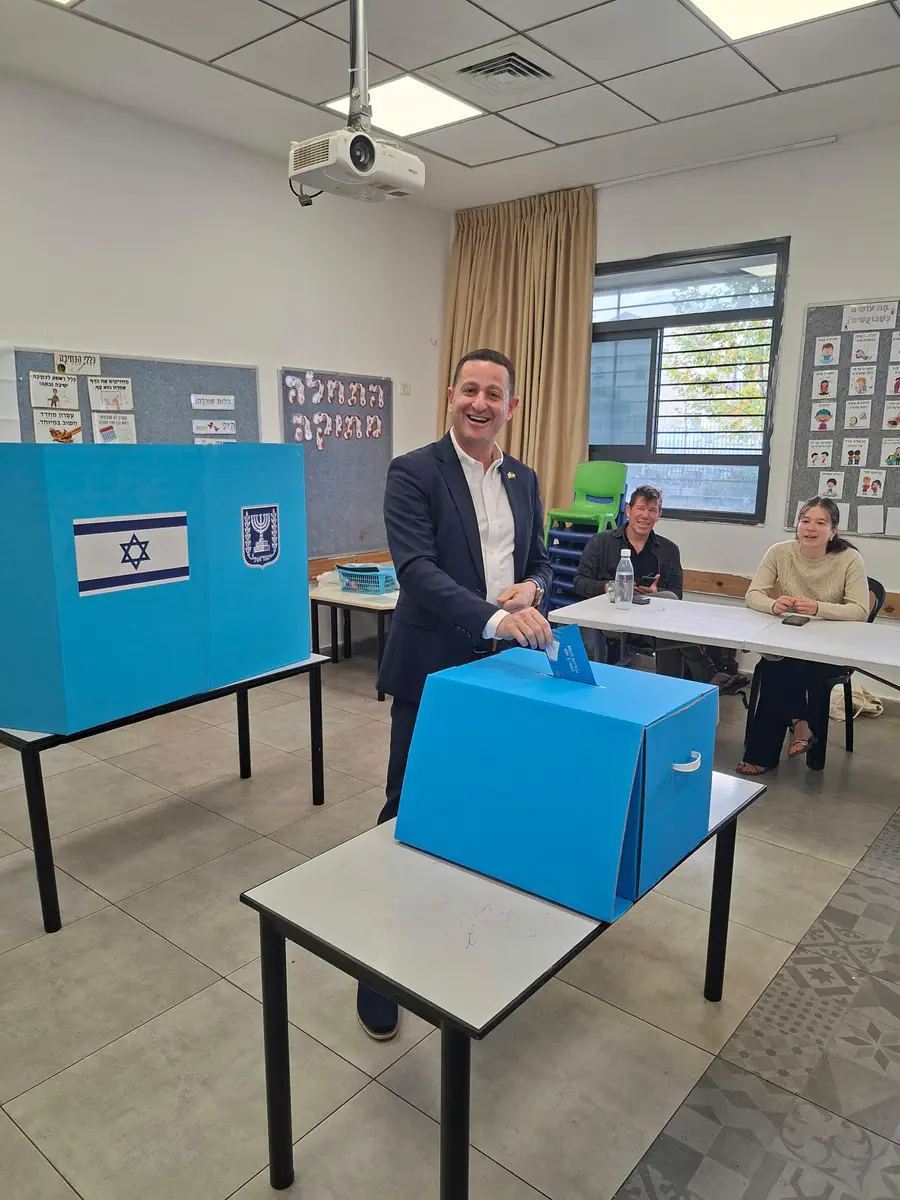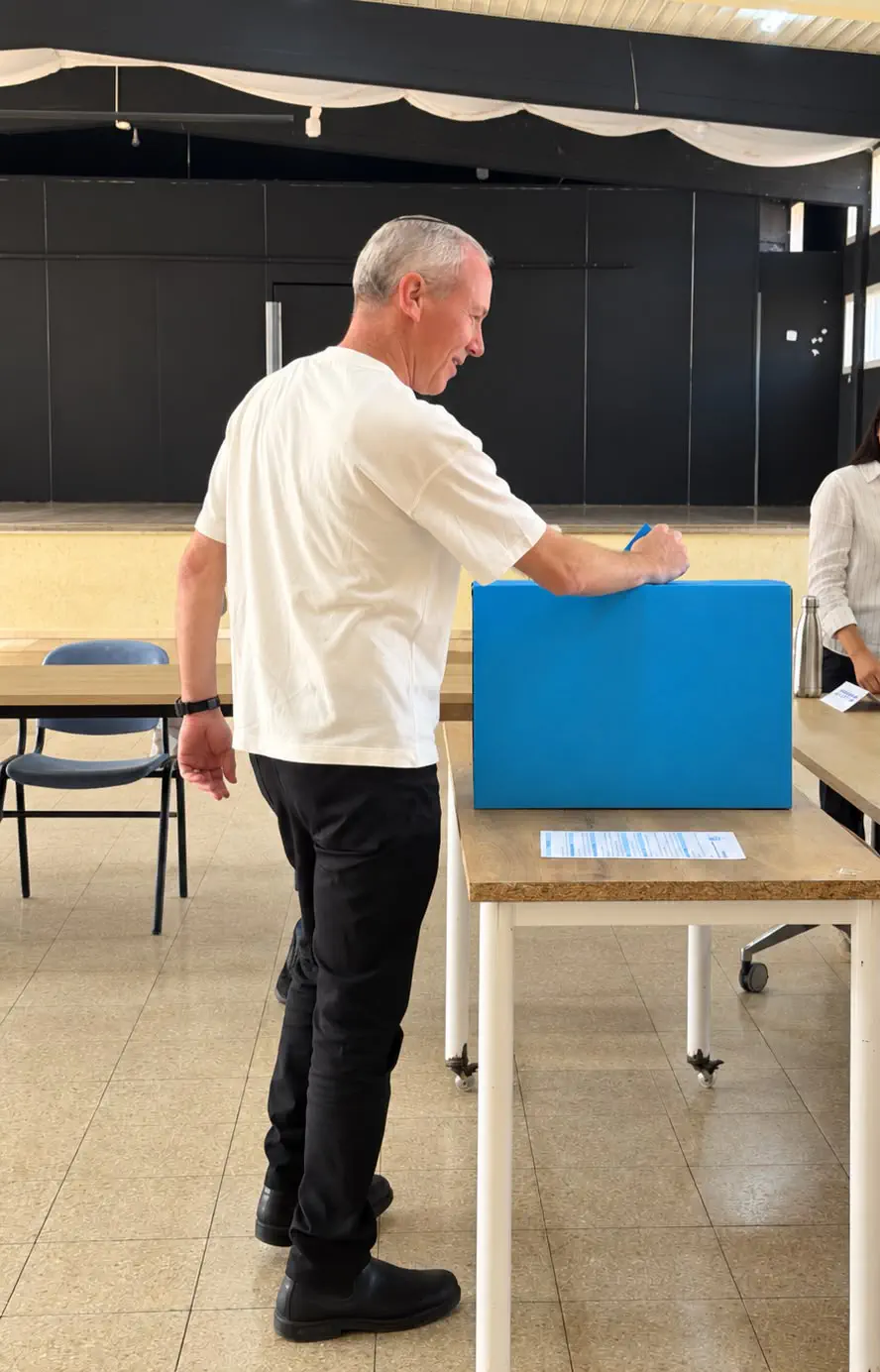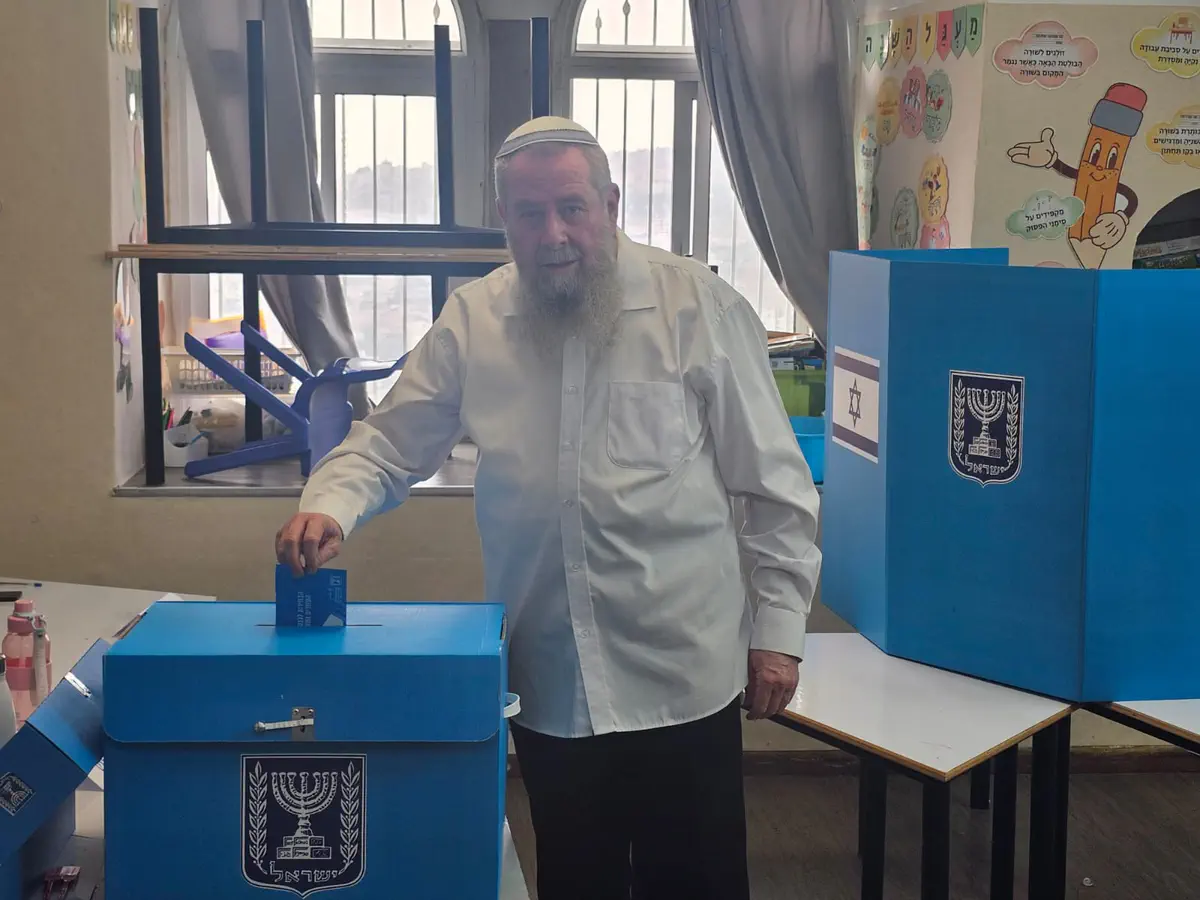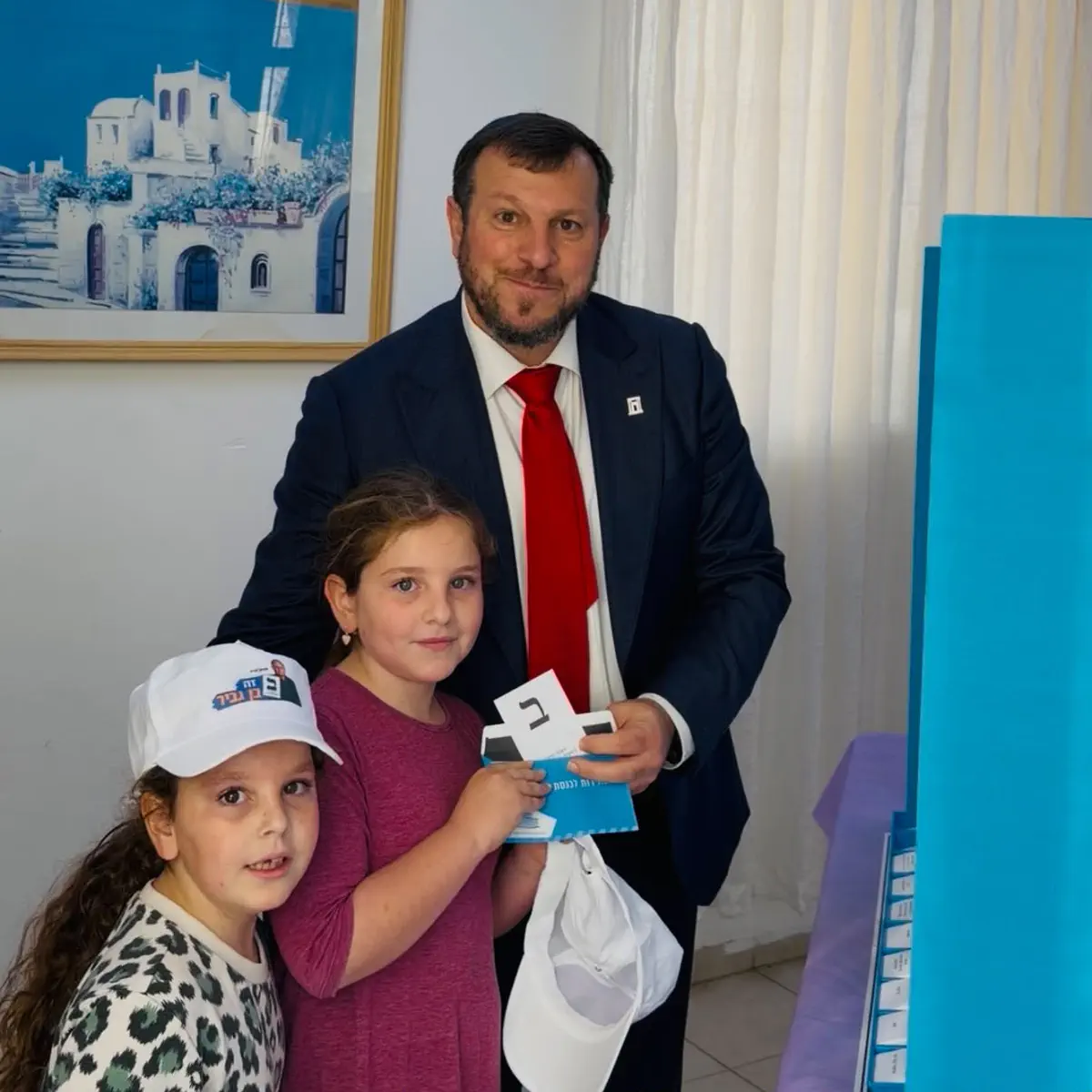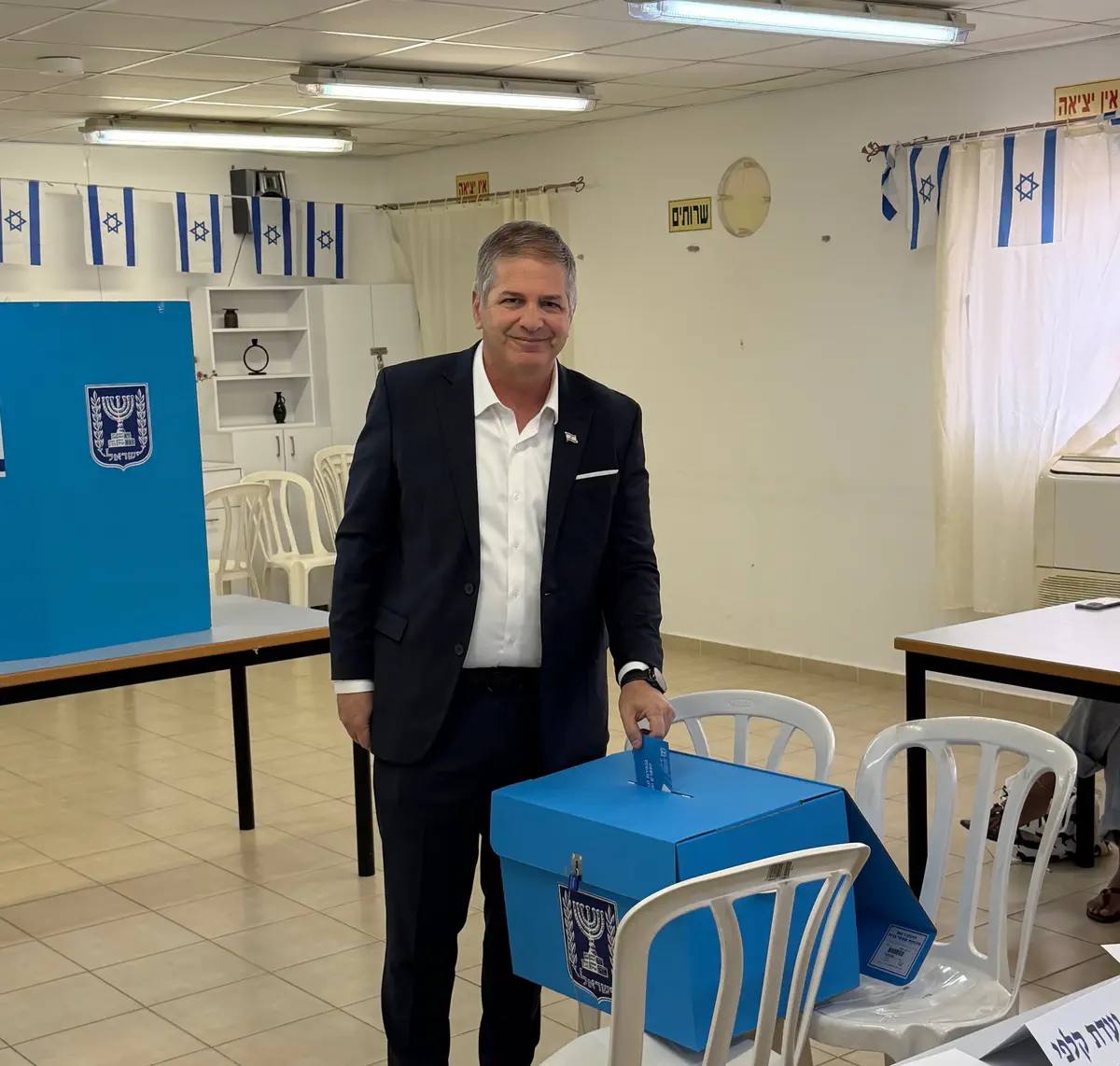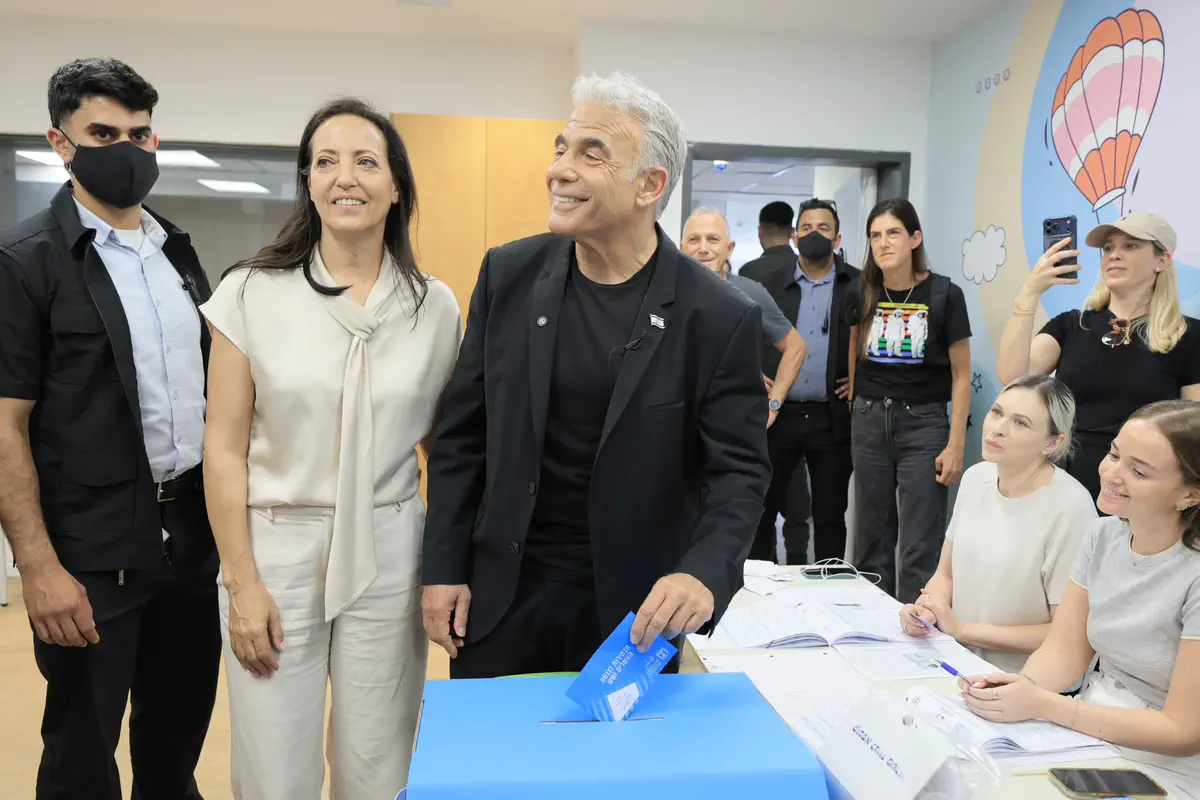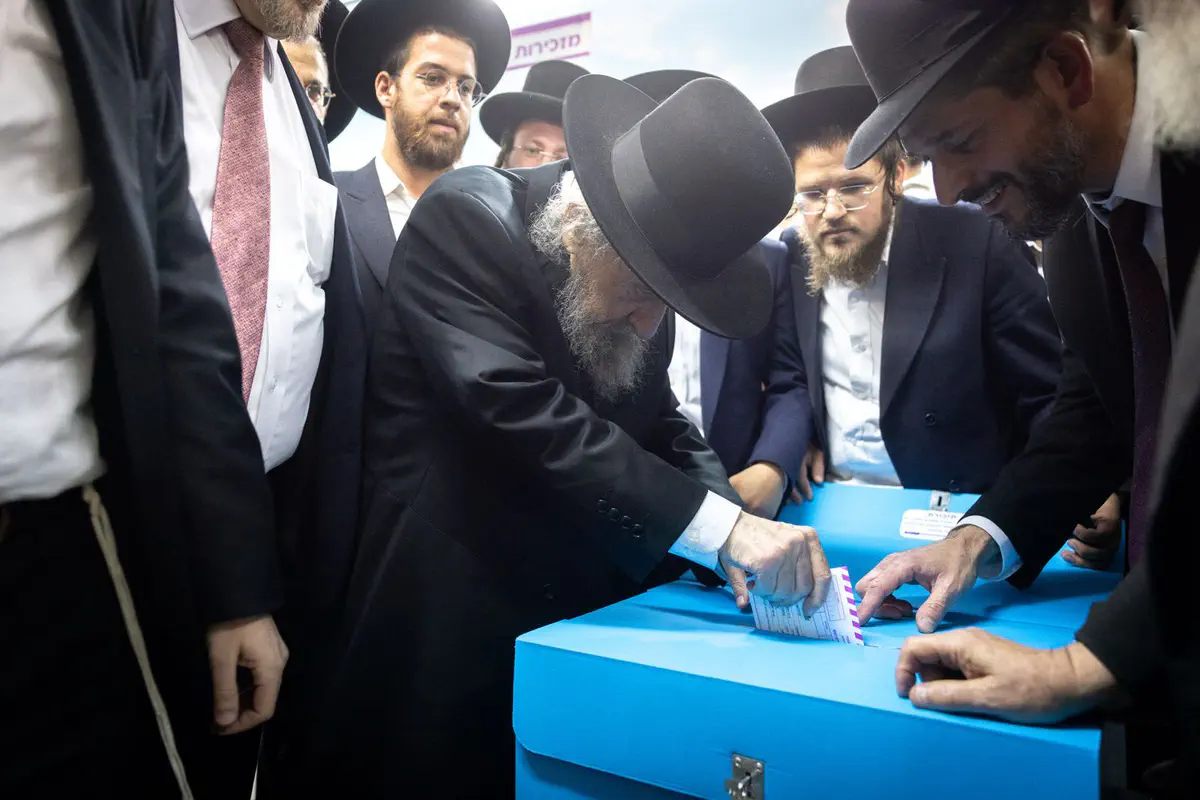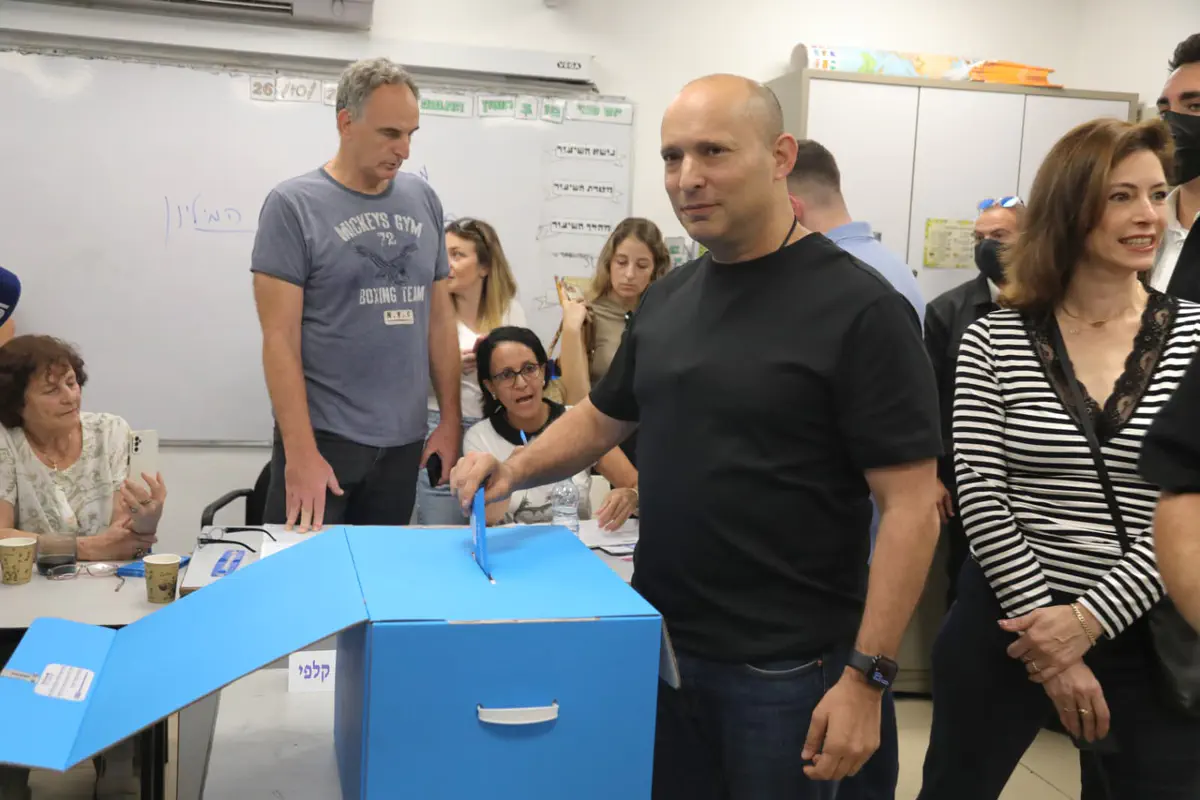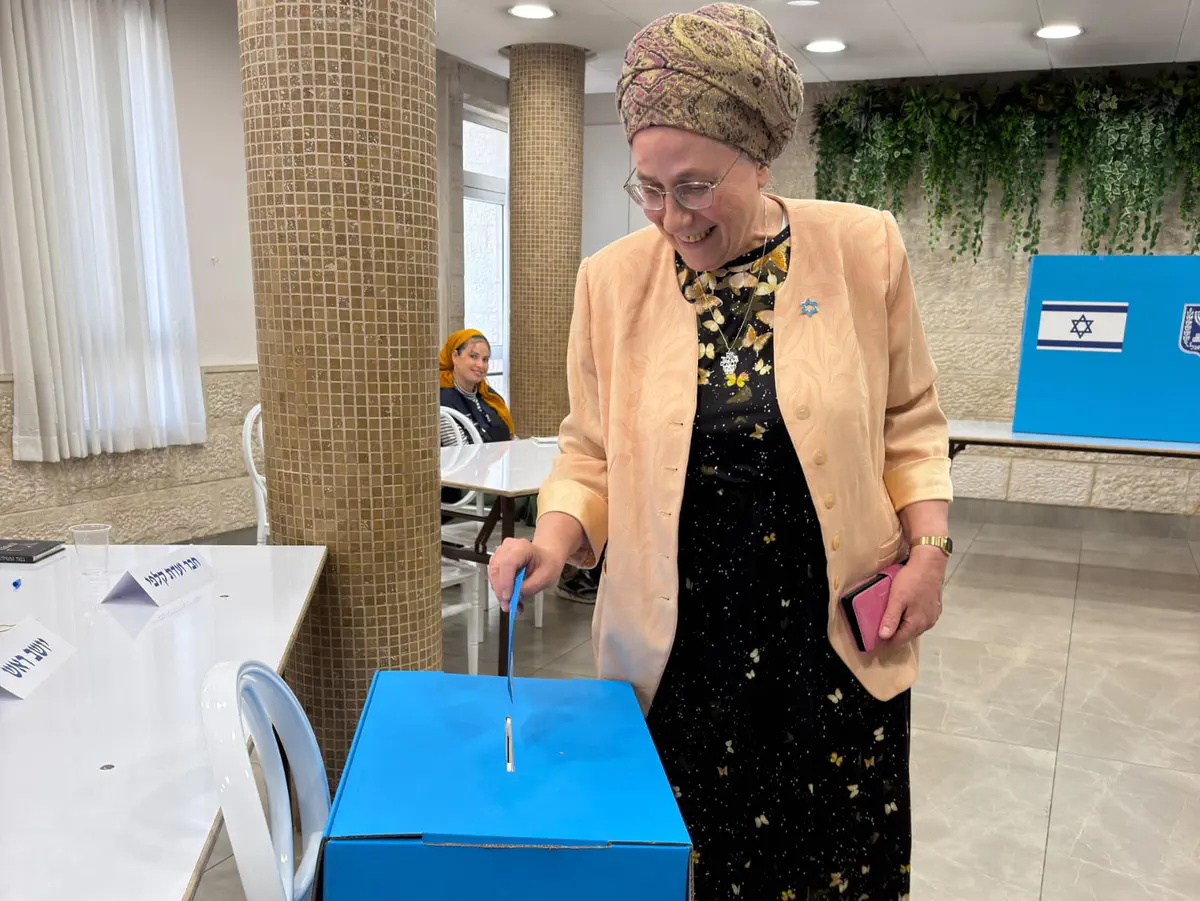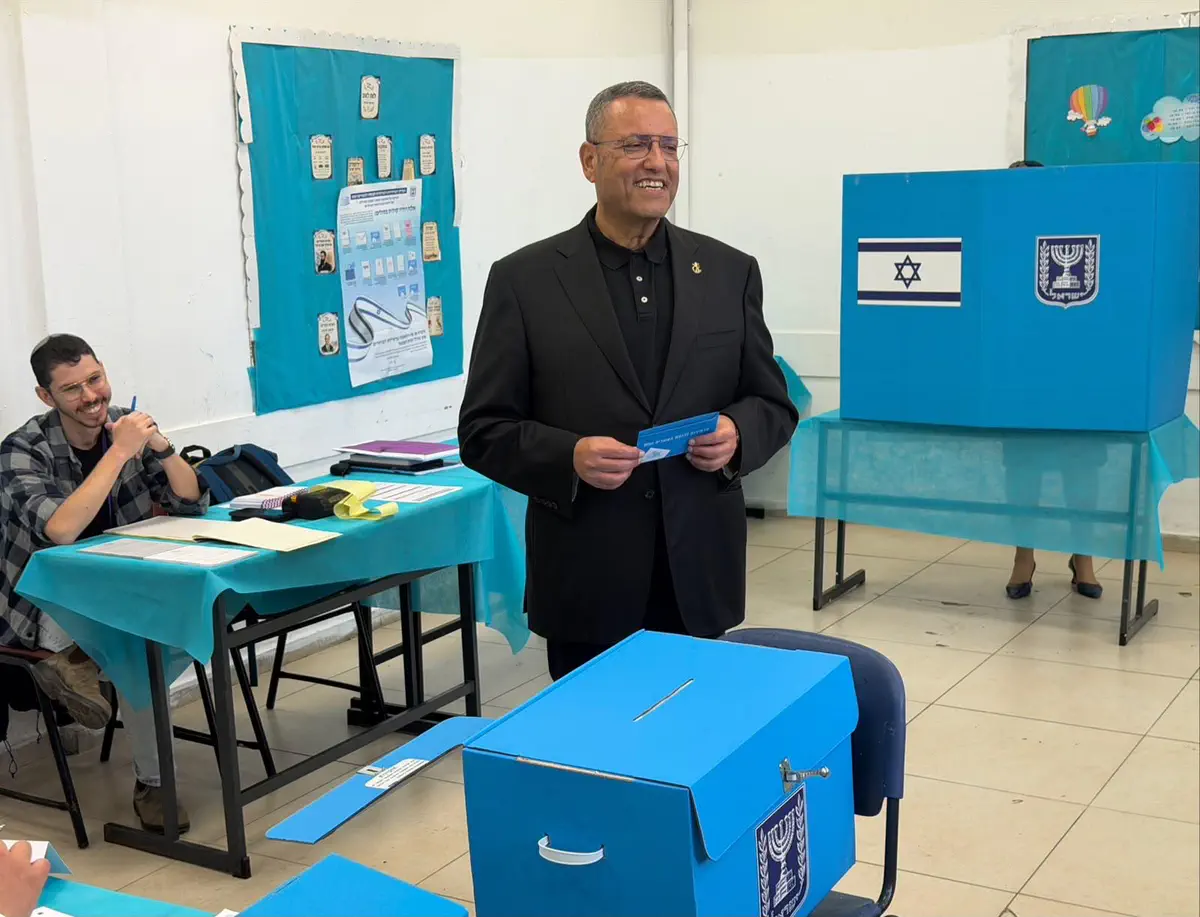

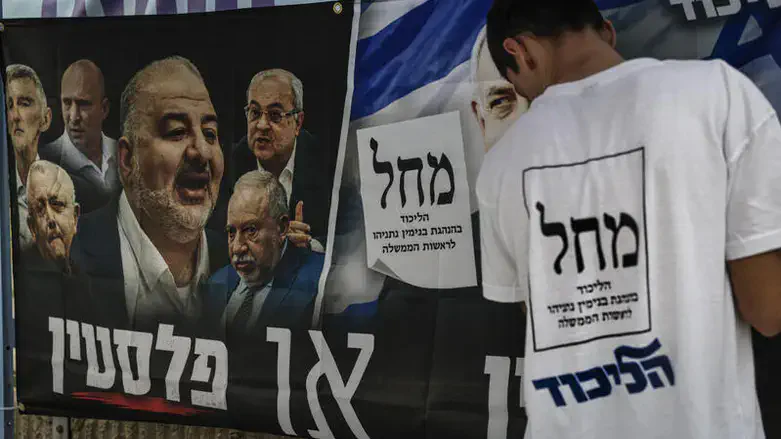
The final voter turnout in the elections for the 26th Knesset stood at 77.7%, according to figures released on Tuesday evening.
This marks the highest voter turnout recorded in Israel since 1999, an increase of 7.1 percentage points compared to the 2022 elections for the 25th Knesset.
Voter turnout among Israel's Arab population reached 80%, reflecting particularly high participation in the elections.
The Central Elections Committee announced Tuesday evening that all polling stations in the elections for the 26th Knesset have closed and that the election process has moved to the stages of vote counting, receiving results, and verifying them.
According to the committee's statement, its election integrity monitoring system operated at all polling stations across the country throughout Election Day. Approximately 10,000 reports were received through the committee's systems for examination, of which approximately 2,000 were immediately ruled out as election integrity incidents and automatically closed.
Most of the remaining reports were found to involve incidents unrelated to election integrity. The committee emphasized that all incidents had been addressed and closed.
Once voting ends at each polling station, members of the local election committee manually count the ballot slips and record the results in an official protocol.
The protocols and voting materials are then transferred to the regional election committees, where the data undergoes processing, verification, and review.
Votes cast using outer envelopes will be processed and counted separately by the Central Elections Committee after the necessary checks have been carried out, including measures designed to prevent double voting.
The official election results will be published gradually on the Central Elections Committee's website as the counting and processing of the data progress.
The committee clarified that the figures released throughout the night will be partial and may change.
Final voter turnout numbers have not yet been released. The Central Elections Committee announced earlier this evening that as of 8:00 PM, 5,449,277 citizens had voted in the elections for the 26th Knesset, constituting 74.3% of those eligible to vote in Israel.
This is the highest voter turnout recorded at this hour since 1988, and a significant increase compared to the elections for the 25th Knesset, when turnout at the same hour stood at 66%.
The difference between the two elections is 8.3 percentage points.
The Central Elections Committee welcomed the public's widespread participation and the millions of citizens who came to polling stations to exercise their democratic right to vote.
In addition, the Elections Committee announced that the number of voters in the elections for the 26th Knesset has already exceeded the total number of voters in the previous elections. As of 6:00 PM, 4,892,106 citizens had voted.
Earlier, Central Election Committee Interim Director Dean Livne stated: "As of 6:00 p.m., we have surpassed the total number of voters who cast their ballots by 10:00 p.m. in the previous elections, excluding double-envelope ballots. If the current pace of voting continues, nationwide voter turnout could exceed 80% for the first time since 1969."
The community of Timorim leads in voter turnout at regular polling stations, with 91.6%, followed by Yuval with 91.5%, Shorashim with 90.1%, Bat Hen with 87.7%, Hazon and Shavei Darom with 87% each, Nataf with 86.4%, Netiv HaLamed-Heh with 86.2%, Yesodot with 85.3%, and Habonim with 85.2%.
In terms of the total number of votes cast, Tel Aviv-Jaffa leads with 277,751 voters, followed by Jerusalem with 252,038, Haifa with 145,951, Rishon LeZion with 136,762, Petah Tikva with 130,039, Ashdod with 110,538, Netanya with 108,803, Beersheba with 94,658, Holon with 93,790, and Ramat Gan with 92,610.
Exceptionally high voter turnout was recorded in Rahat, where turnout had already reached 61% by 5:00 p.m. - exactly the same level recorded at the end of the entire previous Election Day.
As of 6:45 p.m., turnout in Rahat had reached 72%. In Tayibe, 62% of the city's residents had voted, compared to 56% in Umm al-Fahm and 58% in Nazareth.
Among the haredi population, the highest voter turnout was recorded in Elad at 71%. Turnout reached 70% in Modi'in Illit and 64% in both Bnei Brak and Beitar Illit.
In Karnei Shomron, voter turnout reached 71%. In Elkana, 72% of eligible voters had cast their ballots, compared to 67% in Alfei Menashe and 59% in Ariel.
Meanwhile, voter turnout figures from polling stations in the military were also released. As of 5:00 p.m., turnout among IDF personnel stood at 68% of all service members, a 3% increase over the previous election.
Long lines have formed at many polling stations, and the Central Elections Committee has clarified that if lines remain after 10:00 p.m., voting will continue for those already waiting in line.
High voter turnout has also been recorded in several Bedouin communities in the Negev. In the Atawneh tribe, turnout had already reached 64.1% by noon, compared to 47.9% in Qasr al-Sir and 47.8% in Al-Qabu'a.
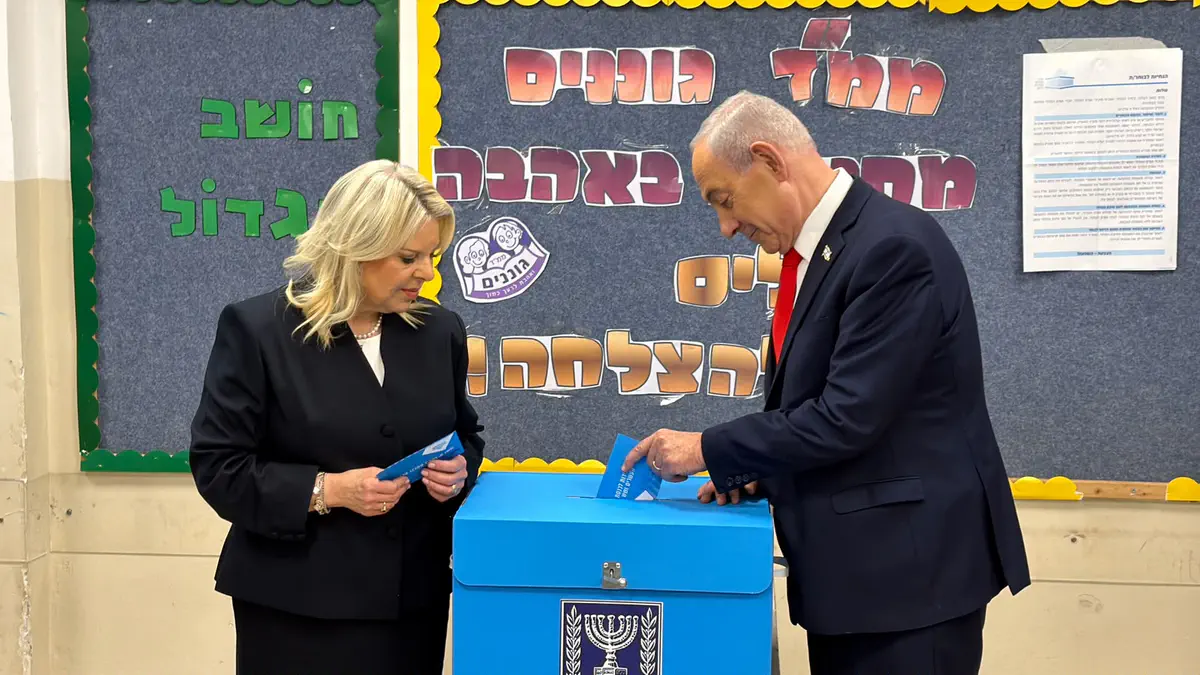
At around noon, Prime Minister Benjamin Netanyahu and his wife, Sara, arrived at a Jerusalem polling station to cast their ballots.
"This is a fateful moment; we know what is at stake. Vote for the future of the State of Israel," Netanyahu stated.
Shin Bet Director David Zini delivered a statement at the Central Elections Committee's command center in the Knesset, saying: "The elections in Israel are safe, orderly, and supervised in an inspiring manner. There are challenges, and there are those who are trying to disrupt them, but under the leadership of Justice Sohlberg and the Israel Police, we are succeeding."
Committee Chairman Justice Noam Sohlberg said: "We are receiving reports of long lines at polling stations. Standing in line for 15 to 20 minutes is not pleasant, but on the other hand, looking at the bigger picture, a great many people are not giving up their right to vote. This is a very important right that is being exercised, even in the face of external challenges. That is the recipe for resilience in Israeli society."
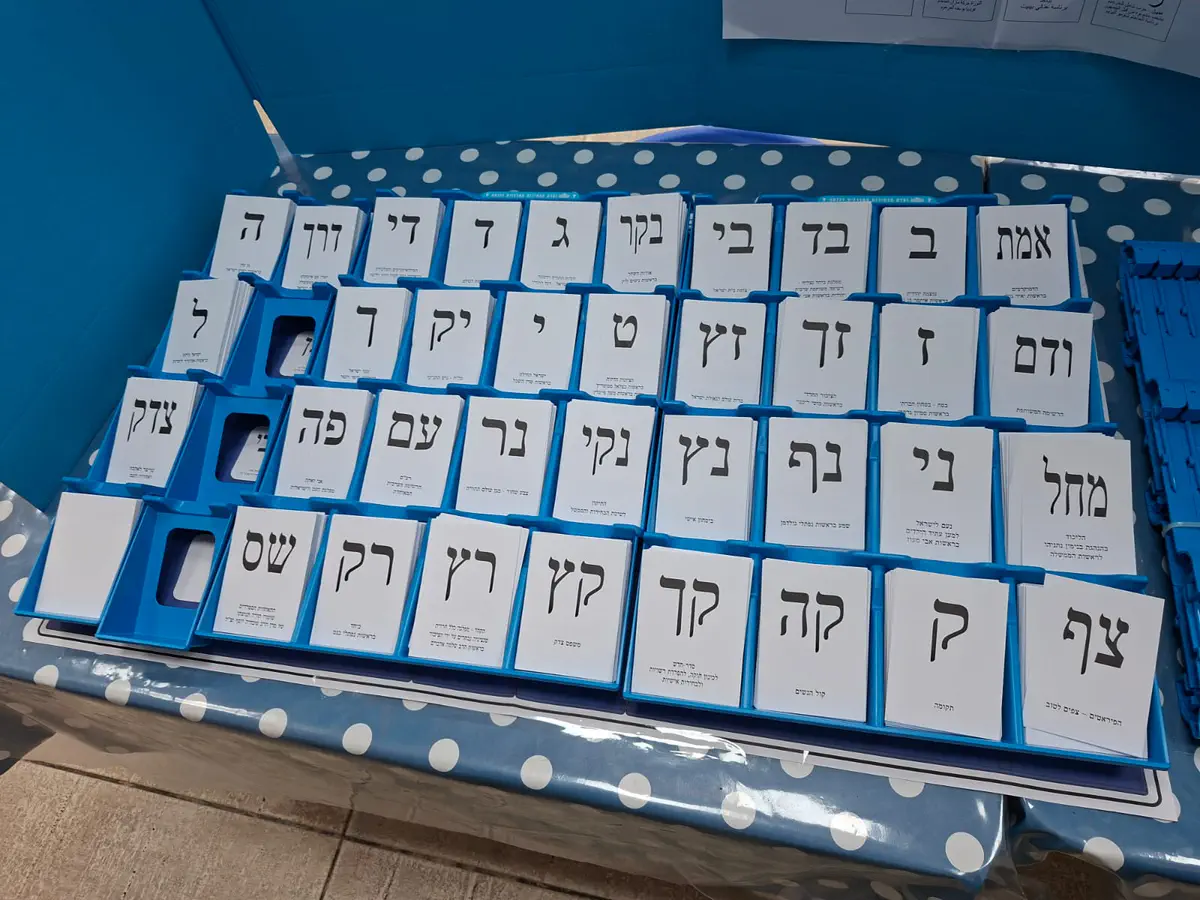
According to Central Election Committee data, 7,331,981 voters are eligible to participate in the election. 12,018 polling stations will be set up across the country, where voters can choose between 36 lists running to fill the 120 seats in Israel's legislature.
Polls opened at 7:00 a.m. Most will remain open until 10:00 p.m., while in small communities and at polling stations in hospitals, prisons, and nursing homes, voting will end earlier, at 8:00 p.m.
When the polls close at 10:00 p.m., news networks will publish their exit polls, which will provide an initial picture of the distribution of seats and the balance of power between the political blocs.
However, even after the exit polls are published, the true results will remain unclear. In case of a close race, double-envelope votes cast by eligible citizens and security forces who cannot reach their assigned polling stations may be crucial in determining the seat distribution and clarifying the options for forming the next government.
To make it easier for citizens to reach polling stations, intercity public transportation will be free today on bus routes exceeding 15 kilometers. Israel Railways services will also be free for the general public until public transportation operations conclude.
Alongside the political developments, the weather is expected to make it difficult for some voters to reach their polling stations. Local rainfall and thunderstorms are forecast in many parts of the country throughout the day, accompanied by gusty winds and possible hail.
In southern Israel, there is a risk of significant flash flooding in the streams of the southern and central Negev, the Arava, the Judean Desert, and the Dead Sea region. Members of the public planning to take advantage of the Election Day holiday for outings are urged to take weather conditions and the dangers in flood-prone areas into account.
At 10:00 p.m., when the final polling stations close and the election exit polls are released, the political picture will begin to emerge. Until then, the decision rests with the millions of Israelis who will head to the polls today and determine the composition of the next Knesset.