

Colombia announced Thursday that it has severed diplomatic relations with Iran, joining a growing number of US partners in Latin America taking action against Tehran.
The decision took effect on September 19.
The Colombian government said the move was based on "hemispheric national security" concerns and accused Tehran of maintaining ties with "narco-terrorist groups that threaten the security of the country", reported the AFP news agency.
Bogota also condemned Iran over its blockade of traffic through the Strait of Hormuz and its attacks on other Middle Eastern countries during the ongoing war with the United States and Israel. Despite ending diplomatic relations, Colombia said it would preserve consular ties with Tehran.
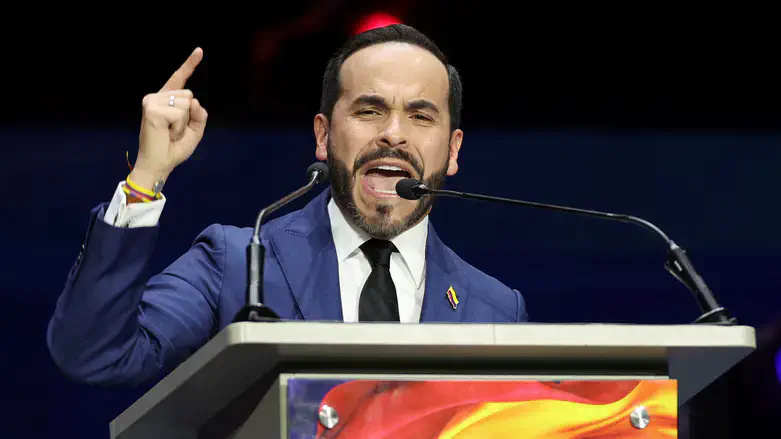
The decision represents a major shift in Colombia’s foreign policy following the election of President Abelardo de la Espriella, who took office on August 7. De la Espriella has also pledged to restore and deepen relations with Israel, and his government has announced plans to establish a Colombian embassy in Jerusalem.
Shortly after taking office, de la Espriella’s government formally recognized Israel’s sovereignty over the Golan Heights, making Colombia only the second country in the world to take that position after the United States.
Israel and Colombia subsequently agreed to eliminate visa requirements for visitors traveling between the two countries.
The policy changes mark a sharp departure from the approach of former President Gustavo Petro, who was a vocal critic of Israel. Petro’s government severed diplomatic relations with Israel in May 2024 and later announced plans to open a Colombian embassy in Ramallah.
Israel’s Ambassador to the UN, Danny Danon, welcomed Colombia’s decision to sever diplomatic relations with Iran.
“This is an important step against a regime that represses its own citizens, funds and arms terrorist organizations, and threatens regional stability. More countries should follow Colombia’s lead," he said.