

Mohammad Bagher Zolghadr, secretary of Iran’s Supreme National Security Council, presented Tehran's primary terms for the United States on Saturday as discussions continue around reopening the Strait of Hormuz.
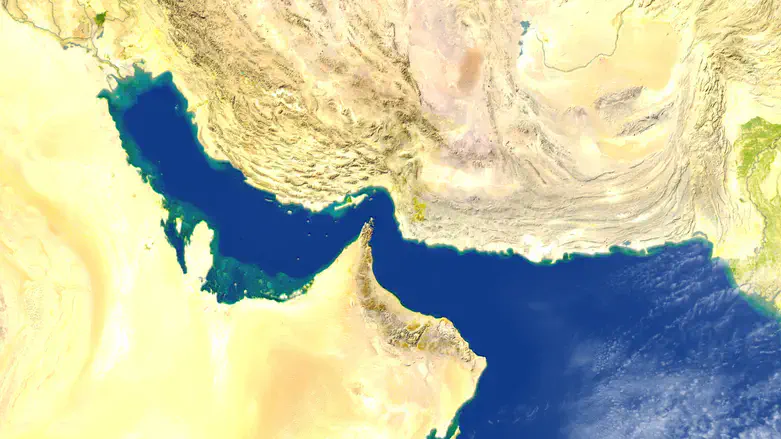
The strategic maritime passage, which handles a substantial share of global crude oil shipments, has experienced near-total traffic halts following a series of Iranian strikes in the Persian Gulf. Iran and Oman remain in active dialogue regarding the waterway's status.
In an official statement carried by state media, Zolghadr insisted that Washington must lift its naval embargo on Iranian ports, end economic sanctions, and provide war reparations. The Iranian security chief further stipulated that American military forces must pull out from the region and cease military actions aimed at Tehran’s regional allies.
“The Supreme National Security Council will never give up, whether in war or in negotiations," Zolghadr declared in a statement released by state broadcasters.
Earlier on Saturday, US Vice President JD Vance offered a cautiously optimistic assessment of the Oman-Iran diplomatic track during an appearance on Fox News, though he warned that the broader dispute remains unresolved.
“We’re in the middle of the game," Vance noted, adding, “We’re applying a whole host of tools, diplomatic, economic, military tools, to ensure that we get the best outcome for the American people."
Iranian Foreign Minister Abbas Araghchi echoed the view that discussions were progressing during comments published Saturday by the semi-official Tasnim news agency, characterizing both sides as “very close to an agreement."
However, Araghchi emphasized that reaching a final accord remains “contingent" upon American adherence to the terms of a bilateral memorandum of understanding executed in June.
These remarks follow statements from a US official to Reuters on Friday, confirming that Omani-mediated talks between Washington and Tehran had achieved tangible progress, with an official announcement expected in the near term.
The US official indicated that once a public declaration guarantees the unhindered resumption of commercial transit, Washington plans to lift its naval blockade surrounding Iranian ports, while reiterating that any adjustment in American military posture remains conditional on Tehran's complete fulfillment of its commitments.
Those developments built upon a Thursday report by MS NOW, which cited two Middle Eastern diplomats confirming that Muscat and Tehran had established a baseline framework to temporarily resume traffic through the choke point.
During an Oval Office briefing on Thursday afternoon, President Donald Trump described the passage as “sort of open right now," while highlighting that the US naval blockade remains fully active.
“I think we’re doing fine," Trump remarked, adding that a formal update on the corridor “could be soon."
Earlier in the week, US Secretary of State Marco Rubio also characterized the Strait of Hormuz negotiations as promising, though noting that final terms were still being negotiated.
"There's been progress made in those talks, but not finality yet. We're hoping that will happen very shortly," Rubio said.