


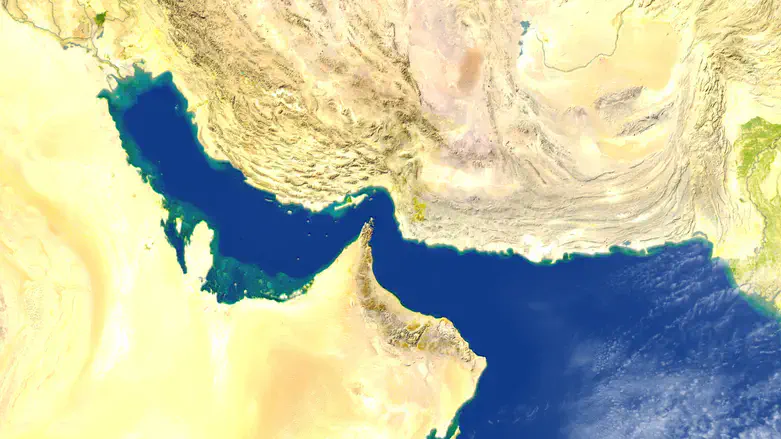
Iran has rejected a compromise proposal put forward by Oman calling for a 50-50 division of control over shipping routes through the Strait of Hormuz, the Wall Street Journal reported.
According to the report, the rejection sparked anger among officials from countries mediating between the United States and Iran, who said the move dealt a serious blow to efforts to achieve a breakthrough and renew the memorandum of understanding between Washington and Tehran.
On Tuesday, a Gulf source told Reuters that Oman had won the backing of Gulf states for a proposal to establish a joint regional mechanism with Iran to manage the Strait of Hormuz through voluntary user fees.
The proposal was presented to Iranian officials in Tehran over the weekend. Under the plan, Iran would share responsibility for managing the strategic waterway rather than exercising sole control.
The proposal is modeled on the system used in the Strait of Malacca, where Indonesia, Malaysia, and Singapore jointly oversee the waterway. Rather than imposing mandatory transit charges, ships are invited to make voluntary contributions to a fund that supports navigation services, environmental protection, and search-and-rescue operations.
Also on Tuesday, a US official told Reuters that the Islamic Republic is making "unreasonable demands" that have been rejected by Oman and the United States.
The official stressed that there would be no tolls and no fees for passage through the Strait of Hormuz as part of a deal being discussed in relation to the waterway.
Meanwhile, in an interview with Axios, US President Donald Trump said the negotiations are currently focused on reaching a new agreement that would reopen the Strait of Hormuz and restart talks on a broader nuclear deal.
"We are in very deep talks with Iran. If they don't work out, we will go back to very strong military action," the President said.
When asked how much time he was prepared to allow for diplomacy, Trump replied, "Not much time. Either it goes fast or not at all."