
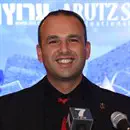
MK Tzvi Succot arrived on Sunday morning for a scheduled tour of schools in Umm al-Fahm, as part of what he described as an oversight visit into the content and operation of the state-funded education system. However, upon reaching the city, he found the educational institutions closed after a strike was declared by the local parents’ committee and the city’s popular committee.
According to local reports, the decision to suspend classes was made the previous evening during an emergency meeting convened specifically ahead of Succot’s planned visit. During the meeting, participants discussed concerns about the implications of the inspection, particularly the examination of curricula and educational content in local schools. The outcome was a decision to shut down the school system for the day, effectively preventing the tour from taking place as originally intended.
Despite the closures, Succot proceeded with his visit and addressed the situation in remarks given to Channel 7, which accompanied the tour. He sharply criticized the decision to shut down schools, arguing that the strike was intended to obstruct oversight efforts. “They went on strike today, shut down the city and shut down the students-all in order to avoid our oversight," he said. He added that he was waiting for representatives of the Ministry of Education and intended to continue the planned inspections regardless of the disruptions.
During the visit, tensions were reported between Succot and local residents. At one point, Succot placed an Israeli flag on the gate of one of the closed schools, stating that his action was connected to what he described as a failure by some institutions in the city to comply with the State Flag Law. The move added to the already heightened tensions surrounding the visit.
Succot also presented allegations concerning educational content in the schools. He claimed that material or programming associated with controversial figures had appeared in the education system. In particular, he referred to images he said were published by one of the schools showing Raed Salah addressing students. “One of the most extreme figures in the State of Israel, a man who has been imprisoned several times for incitement to terrorism, is lecturing here inside this school to students as if he were a normal figure. This is something that should not happen in a proper education system in the State of Israel," he said.
He further alleged that additional individuals and organizations connected to incitement had been involved in school activities. According to Succot, such involvement raises serious concerns regarding the use of public funds. “If you bring here declared terrorist organizations or people who incite terrorism-no shekel of state funds will go to places that incite terrorism," he stated.
Succot emphasized that the purpose of his visit was to assess how the education system, which is funded by Israeli taxpayers, is being managed and what content is being taught to students. He rejected the idea that any part of the country should be exempt from oversight. “There is no extraterritoriality in the State of Israel. We will carry out oversight everywhere, with or without strikes, with or without threats," he said.
Addressing the residents of Umm al-Fahm directly, Succot attempted to frame his visit as supervisory rather than confrontational, while also asserting his authority as a parliamentary oversight figure. “I am not your enemy, but I am also not afraid of you. I came here as the chairman of the Knesset Education Committee to oversee what is happening in your education system, which is funded by us," he said.
He added that if investigations confirm that schools are inviting individuals convicted of incitement to terrorism to speak to students, he would act to ensure financial consequences. “We will ensure that not a single shekel of Israeli taxpayer money goes to schools that incite terrorism," he said.
The visit and its surrounding controversy highlight ongoing tensions between state oversight mechanisms and local educational authorities, particularly in mixed or Arab-majority communities, where disputes over curriculum content, invited speakers, and political messaging in schools have periodically sparked public and political confrontation.