

The IDF is preparing to reduce force deployment in southern Lebanon following the ceasefire with Hezbollah, aiming to relieve the burden on regular and reserve soldiers and restore operational readiness degraded during the war.
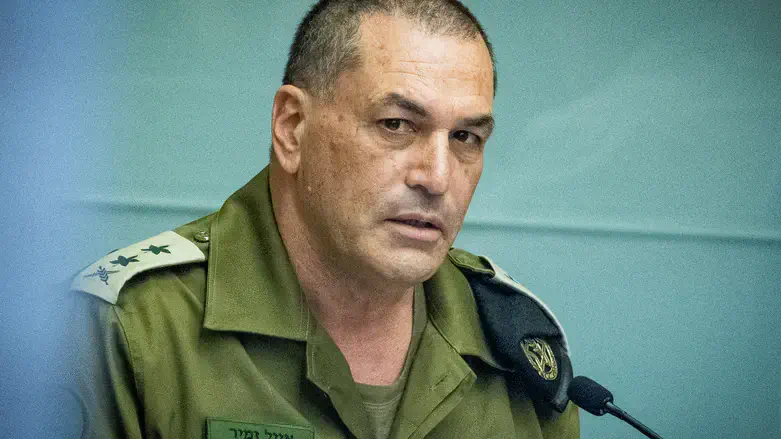
According to a report by Walla!, in two recent discussions on manpower, IDF Chief of Staff Lt. Gen. Eyal Zamir instructed that brigade combat teams be allowed to take leave and accelerate their return to training. He also instructed that efforts be made to rehabilitate operational capabilities impacted during the fighting.
The decisions were made after senior ground forces officials presented a situational assessment showing ongoing wear and tear among troops deployed in the field.
According to IDF sources, the pressure on soldiers, especially in the Lebanon sector, requires a reevaluation of how the forces are deployed.
A source familiar with the details said, "Battalion and brigade commanders are busy executing orders and requesting more missions - the main goal being not to remain static - but we understand they need to slow down."
He added that the ceasefire window should be used to allow soldiers rest and broader rotation.
At the same time, the Chief of Staff is reviewing a plan for greater integration of special units in complex operational areas in southern Lebanon. Military officials said these units can cover larger areas while reducing the current burden on regular battalions and companies. The plan has been presented to the Chief of Staff but has not yet received final approval.
Meanwhile, the IDF continues to warn of a potential future manpower shortage. According to estimates presented in the discussions, personnel levels could reach a critical point at the start of 2027 if regular service is not extended and solutions to increase combat personnel are not implemented.
Military sources argue that without policy changes, including recruitment reforms and expanding combat manpower, regular units may have to close due to personnel shortages.