

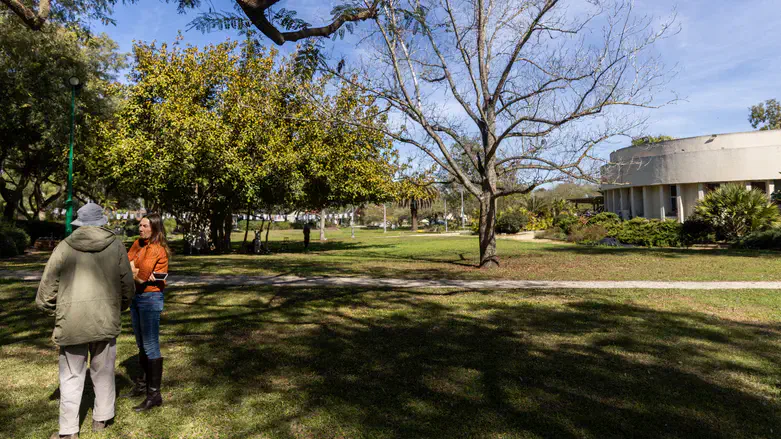
A midyear report released by the Tekuma Directorate indicates that a large majority of residents from the Gaza border region have returned to their homes. According to the report, more than 92% of residents are now living again in their communities, and approximately 65,000 people currently reside in the region - a number higher than before the war.
The report also states that around 3,000 new residents have moved to the area since October 7, in addition to returning residents.
So far, approximately 11.6 billion shekels have been invested in rehabilitation efforts, representing about 67% of the total recovery budget of 17.5 billion shekels, following budget revisions and cuts made in October 2025. The overall rehabilitation program is expected to continue through 2028 and is now transitioning from an “emergency recovery" phase to the development of long-term growth infrastructure.
The directorate operated under a three-stage model that included evacuation, temporary housing, and physical reconstruction. To date, 4.6 billion shekels have been invested specifically in return and resettlement efforts.
Six of the ten communities that suffered severe damage - Nirim, Re'im, Kerem Shalom, Ein HaShlosha, Nahal Oz, and Kissufim - have already completed essential reconstruction and resumed full operations.
The four communities that suffered the heaviest destruction - Be'eri, Kfar Aza, Holit, and Nir Oz - are currently in advanced stages of rebuilding. The gradual return of residents to those communities is expected to be completed by 2027.
At the same time, 1,846 temporary housing units were established to preserve community continuity during the rehabilitation process.
As part of lessons learned from the war, 827 million shekels were invested in the “New Horizon" defense enhancement program. The project includes technological upgrades to fences and gates, major reinforcement of local emergency response teams, and improved coordination with the Israel Defense Forces.
In the fields of education and healthcare, more than 1.4 billion shekels have been invested. New medical centers were established in the Eshkol Regional Council area and in Sderot, while dozens of educational facilities were renovated and expanded with additional teaching hours and advanced STEM programs.
The directorate also identified several “growth anchors" aimed at turning the region into an attractive destination for businesses. Investments totaling 625 million shekels were directed toward restoring agricultural farms, establishing the “AgroNegev" center, and increasing the regional water supply by 30%.
In addition, 374 million shekels were allocated to support 200 businesses and rehabilitate the “Sapirim B" industrial zone.
Despite the optimistic data, officials at the directorate stressed that the greatest challenge ahead is transitioning from rehabilitation to sustainable independent growth, while managing the complexity of engineering projects in communities that have not yet been fully rebuilt.
Directorate head Aviad Friedman said: “Our mission is not limited to quickly rebuilding what was destroyed, but to leading a deep transformation that will ensure a prosperous future for the entire region. We are working systematically to build foundations for long-term growth."