

Iran has transmitted a revised diplomatic proposal to the United States through Pakistani intermediaries, Axios reported on Sunday night.
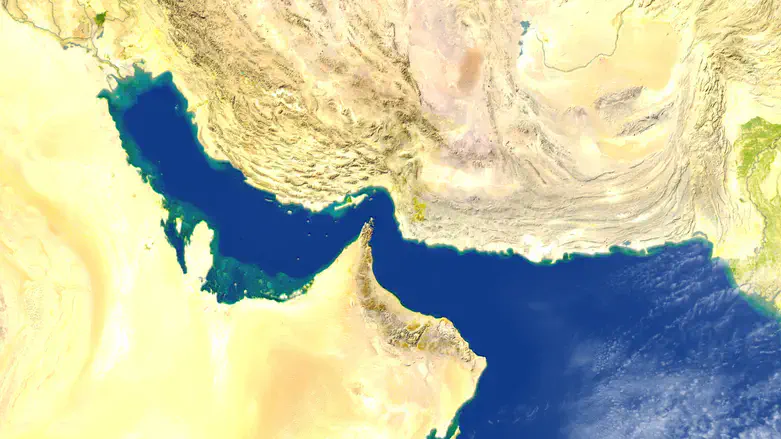
The proposal suggests that negotiations over the reopening of the Strait of Hormuz and an end to the current conflict be prioritized, while discussions on its nuclear program are postponed to a later stage, a US official and two sources familiar with the matter told Axios.
The proposal is viewed as an attempt to break the current deadlock in talks and manage internal divisions within Iran’s leadership regarding the level of nuclear concessions it is prepared to make in exchange for an agreement with the Trump administration.
However, US officials note that addressing the Hormuz issue first, including lifting the American blockade, could significantly reduce Washington’s leverage in future negotiations. Without that leverage, the US would face greater difficulty in pressing Tehran to relinquish its enriched uranium stockpile or agree to a long-term halt in enrichment activities.
President Donald Trump has made resolving Iran’s nuclear capabilities a central objective of his administration’s approach to the conflict, whether through diplomacy or military pressure.
Trump is expected to convene a Situation Room meeting on Monday with senior national security and foreign policy officials to assess the stalled negotiations and evaluate possible next steps, according to three US officials who spoke to Axios.
One of the officials said the meeting will focus on the breakdown in talks and available strategic options moving forward.
Trump on Saturday cancelled planned talks with Iran in Islamabad, Pakistan. His senior envoy, Steve Witkoff, and son-in-law, Jared Kushner, had been scheduled to travel to Islambad for the talks.
“I just cancelled the trip of my representatives going to Islamabad, Pakistan, to meet with the Iranians," Trump wrote on Truth Social.
“Too much time wasted on traveling, too much work! Besides which, there is tremendous infighting and confusion within their ‘leadership,’" he continued. “Nobody knows who is in charge, including them. Also, we have all the cards, they have none! If they want to talk, all they have to do is call!!!"
Iranian Foreign Minister Abbas Araghchi’s visit to Pakistan, where he met with local mediators, concluded without tangible progress.
Following the Pakistan talks, Araghchi met with officials in Oman in Muscat on Sunday, where discussions reportedly centered on the Strait of Hormuz. He then returned to Islamabad for additional consultations.
On Monday, Araghchi was expected to travel onward to Moscow for meetings with Russian President Vladimir Putin.
Behind closed doors, sources familiar with the discussions say Araghchi and Pakistani officials explored a new phased approach aimed at bypassing the current impasse over Iran’s nuclear program.
One source said Araghchi conveyed to mediators from Pakistan, Egypt, Turkey, and Qatar over the weekend that there is no internal consensus within Iran regarding US demands for a prolonged suspension of uranium enrichment and the removal of enriched material from the country.
According to the sources, the revised Iranian-Pakistani framework prioritizes resolving the Strait of Hormuz crisis and ending the US blockade first. Under the proposal, either an extended ceasefire or a permanent end to hostilities would be established.
Only after that stage, the proposal suggests, would nuclear negotiations begin.
Pakistani intermediaries have already forwarded the proposal to the White House, though it remains unclear whether Washington is prepared to consider it.
A White House spokesperson, Olivia Wales, said: “These are sensitive diplomatic discussions and the US will not negotiate through the press. As the president has said, the United States holds the cards and will only make a deal that puts the American people first, never allowing Iran to have a nuclear weapon."
Spokespersons for Pakistan’s Ministry of Foreign Affairs and the Pakistani military declined to comment.