

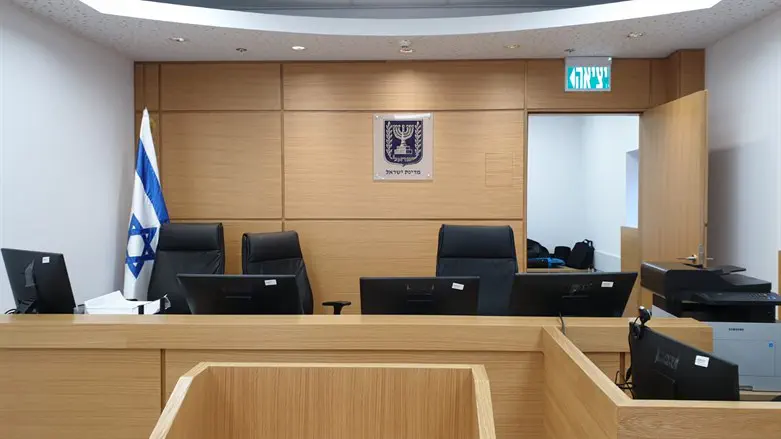
The Knesset plenum on Tuesday approved in second and third readings a bill granting state rabbinical courts the power to serve as arbitrators in monetary and civil disputes, provided both parties give their full consent.
The legislation, initiated by MKs Moshe Gafni (United Torah Judaism), Yaakov Asher (United Torah Judaism), and Yinon Azulai (Shas), passed with 65 votes in favor and 41 against.
The new law reverses a 2006 Supreme Court ruling that had stripped rabbinical courts of their authority to adjudicate financial matters even when both sides agreed. Key provisions of the law include the requirement for full written consent from all parties before proceedings can begin. Once issued, a rabbinical court ruling will carry the full legal force of a regular court judgment, without needing further approval or ratification. The process offers advantages of the state system, including orderly record-keeping, structured procedures, and the right to appeal to the Supreme Rabbinical Court. All rulings must also comply with key Israeli protective legislation, including the Women’s Equal Rights Law and labor laws.
Supporters argue the law provides a voluntary, faster, and less expensive alternative for resolving disputes according to Torah law, while maintaining transparency and professional standards.
Chief Rabbi David Yosef welcomed the passage, praising those involved and particularly thanking MK Simcha Rothman (Religious Zionist Party), chairman of the Knesset Constitution, Law and Justice Committee, for his work on the precise wording of the bill.
MK Rothman stated: “This is a great privilege for the Knesset. It corrects a long-standing injustice. There is nothing more liberal than allowing two consenting adults to agree that they wish to resolve a dispute between them according to Torah law."
Rabbi Eli Ben-Dahan, director of the rabbinical courts, added that the system is fully prepared to provide professional, transparent service to any Israeli citizen who chooses this route.