


The IDF has released new data on Operation Roaring Lion in Iran, detailing the stages of preparation for the campaign, the opening strike, and operational efforts undertaken since the start of the conflict.
According to the army, in the months preceding the operation, the Intelligence Directorate concentrated extensive efforts while applying lessons learned from previous operations against Iran. The IDF emphasized that Israel entered the campaign with the understanding that Iran is a significant-capability enemy that must not be underestimated.
According to the data, the operation in Iran is being conducted according to a pre-planned, structured program, on which thousands of military Intelligence and IDF personnel in both regular and reserve units worked. The IDF noted that almost all targets struck in the operation are new targets identified by Military Intelligence after Operation Rising Lion, the result of a long-term intelligence effort spanning years.
The IDF also noted that Hezbollah was significantly weakened following Operation Northern Arrows, with its weapons arsenal reduced by approximately 90 percent. The damage to the organization and the IDF’s defensive preparations, according to them, allow freedom of action in Lebanon and Iran.
Security officials assessed that Hezbollah might join the conflict, so a broad preparation effort was carried out and operational plans were adapted in advance. The IDF stated that it is well-prepared for both defense and offense on the northern border.
As part of the preparations, the IDF also strengthened cooperation with the US. According to the army, both sides synchronized the situational picture and intelligence assessment through meetings and visits by military officials to the US in recent months.
The IDF emphasized that during Operation Rising Lion the army succeeded in denying Iran the immediate ability to develop nuclear capabilities and reducing the ballistic missile threat. They stated that without that operation, Iran would currently have more than a thousand additional missiles.
According to the IDF, the operation’s opening strike was carried out by surprise. Although the Iranian regime had been on alert in recent months, the IDF succeeded in creating surprise and significantly striking the regime’s capabilities.
The purpose of opening the campaign, according to the army, was to significantly weaken the Iranian regime’s capabilities, reduce threats, and even create military conditions that would allow the Iranian people to overthrow the regime.
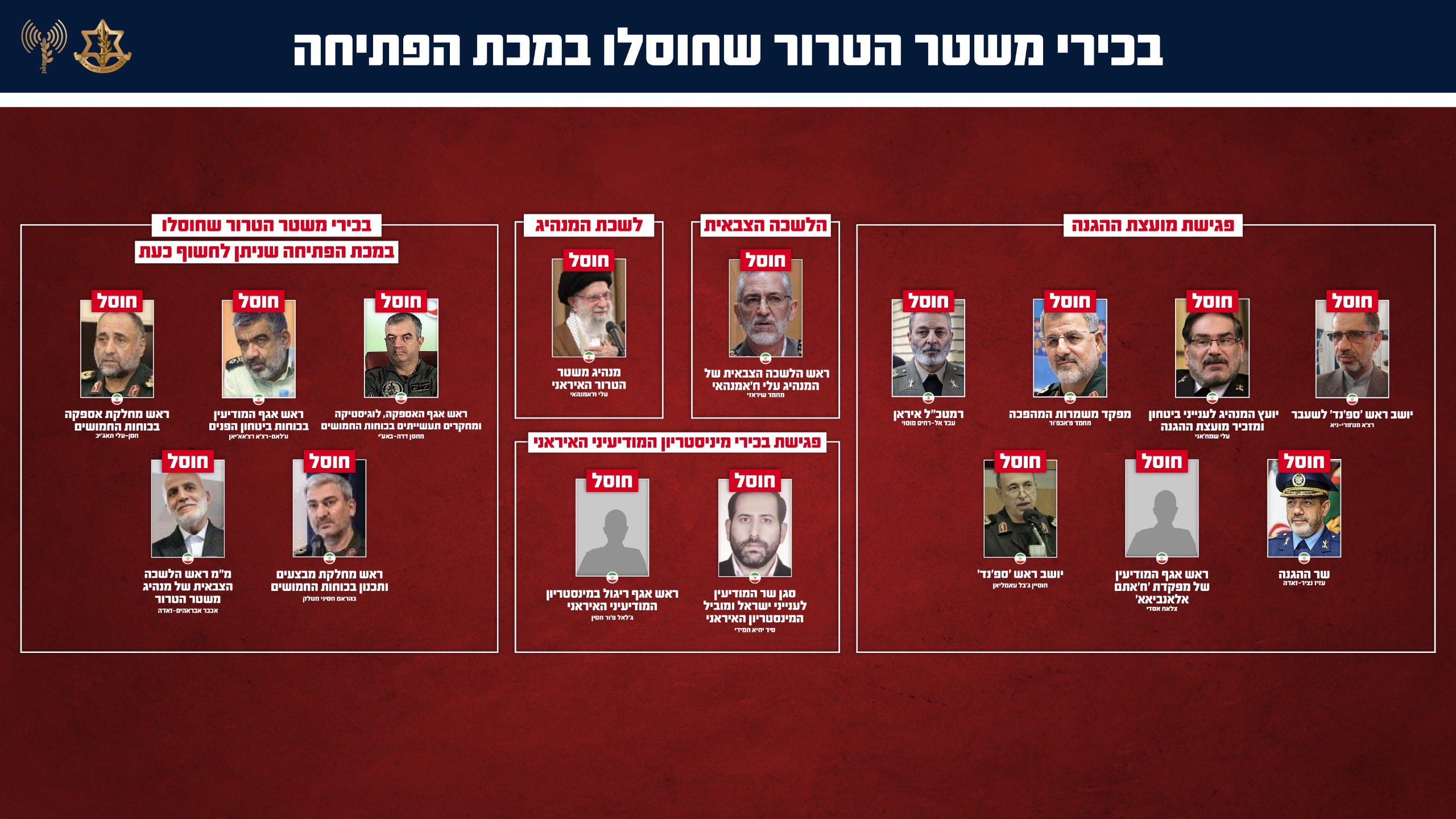
During the opening strike, many senior officials in the Iranian government and security apparatus were eliminated. According to the IDF, this was made possible through close intelligence monitoring of the Iranian Defense Council and other targets, which allowed them to identify a window of opportunity when senior officials were concentrated in certain locations simultaneously.
At the current stage of the campaign, the effort is focused on systematically targeting centers of power of the Iranian regime, including command headquarters, control centers, Basij sites, and the regime’s suppression forces.
The IDF noted that unlike Operation Rising Lion, which focused on an immediate threat, Operation Roaring Lion provides an opportunity to strike more broadly at Iran’s strategic capabilities.
In the early days of the operation, efforts focused on striking Iran’s ballistic missile system, aiming to reduce launches toward Israel. According to the IDF, after more than two weeks of fighting, a significant decline in launches toward the Israeli home front is observed compared to Operation Rising Lion.
It was also reported that the IDF achieved air superiority within just 24 hours, enabling extensive operations over most of Iran’s airspace. As part of the strikes, 120 detection components and 100 air defense systems were destroyed.
The IDF noted that so far, most Iranian missile launchers have been hit and 85 percent of the regime’s detection capabilities have been damaged. Additionally, approximately 70 percent of Iranian launchers were rendered inoperative.
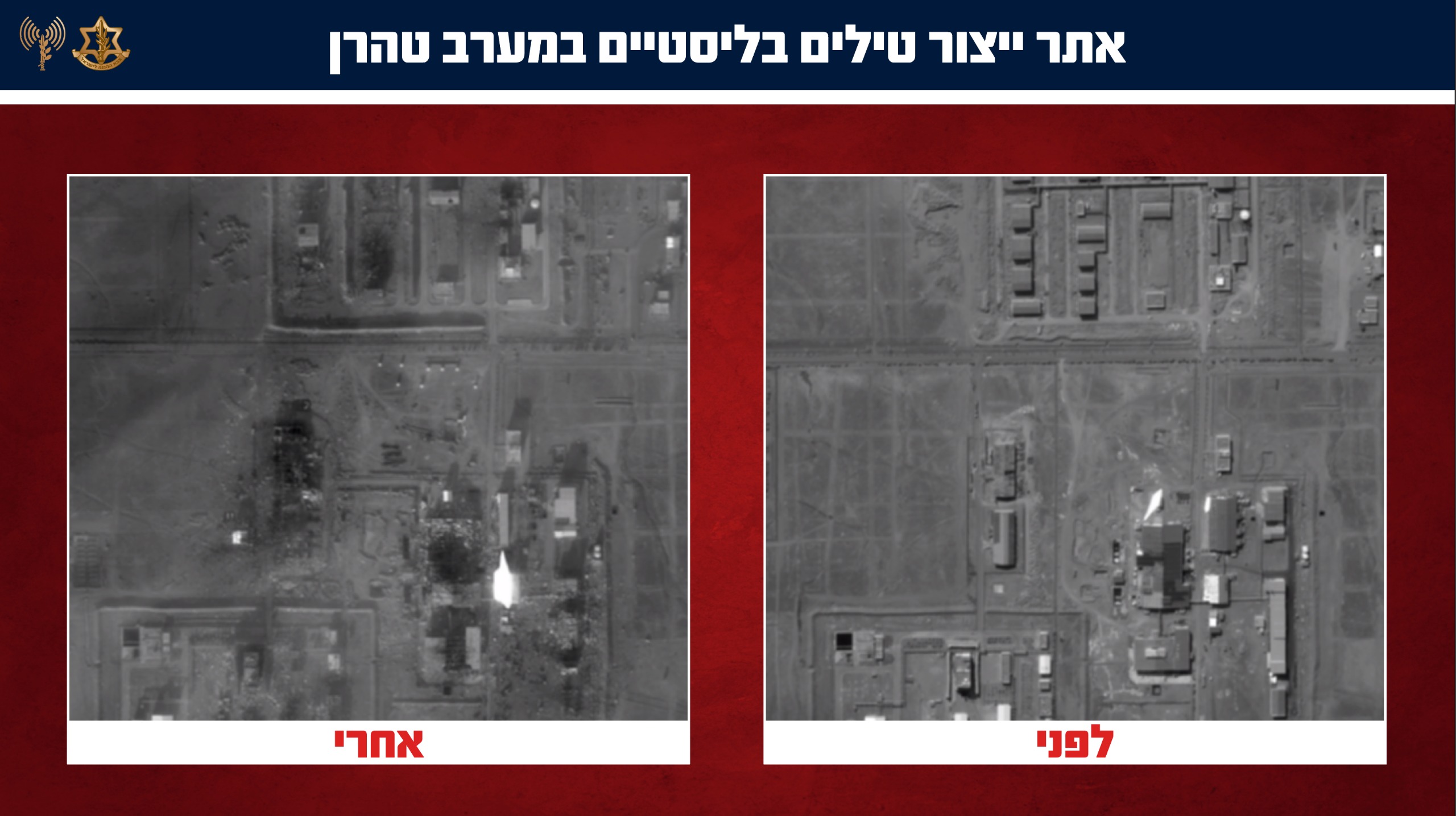
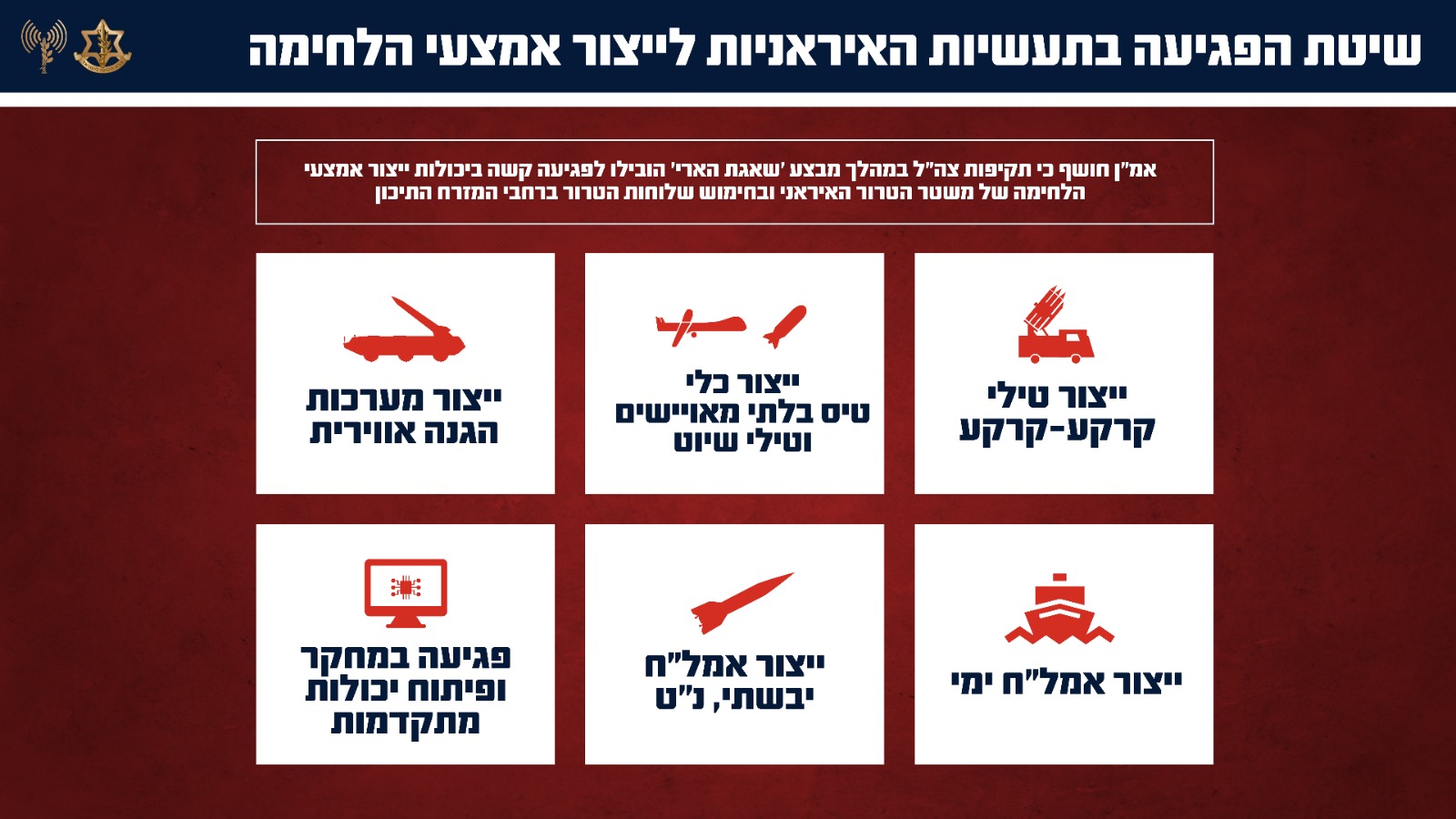
As part of the strikes against Iranian military industries, a significant impact was inflicted on missile production, leaving Iran with no current ability to manufacture missiles. The IDF stated that it continues to strike the production chain to maintain this achievement.
In recent days, the IDF has also acted against the command chain of the Iranian missile system, including command officers and missile bases, as well as against alternative residences and headquarters. These moves, according to the army, have led to a drastic reduction in missile fire toward Israel.
The IDF noted that the strikes are carried out systematically across Iran, targeting internal security forces, the Revolutionary Guards, and other regime-affiliated bodies. So far, according to the army, over 2,200 components of the Iranian regime have been destroyed.
Security officials noted indications of significant damage on the Iranian side, including thousands of deaths and tens of thousands of injuries among regime forces, along with drops in morale and instances of refusal to follow orders and desertion.
In addition, the IDF is acting in the campaign against the Quds Force, both in Iran and in other theaters.
Regarding the nuclear domain, it was reported that the IDF is working to strike the entire value chain of Iran’s nuclear program, attempting to inflict broader damage than was caused in Operation Rising Lion.
The IDF emphasized that the operation is not time-limited but depends on achieving the predetermined objectives. According to them, eliminating a threat built over decades requires prolonged action and a broad maneuvering window.
Simultaneously, the IDF continues to collect intelligence for warning and thwarting terrorist plots, focusing primarily on the Iranian and Lebanese theaters while monitoring the entire Middle East.
The IDF also noted that Iran has made a strategic decision to attack multiple countries in the Middle East, particularly the Gulf states. Despite Iran’s claim that it is targeting only American targets, in practice, civilian infrastructure was also hit, including hotels, economic centers, and population concentrations.
The IDF stated that in the continued campaign, emphasis will be placed on deepening achievements in Iran by continuing to strike missile capabilities and the Iranian defense industry.