

More than three decades ago, Professor Zelig Ashchar from the Weizmann Institute of Science, who passed away a few months ago, laid the foundation for a new type of cancer treatment-genetic engineering of the patient’s immune system cells to target a specific area in their body.
Now, in a study published today in the scientific journal PNAS, an international research team led by scientists from the Weizmann Institute of Science and Washington University in St. Louis presents the first use of the method developed by Professor Ashchar, known as CAR-T, to treat Alzheimer's disease.
The findings from the Alzheimer's model in mice showed promising results and could pave the way for future treatments for Alzheimer's and other neurodegenerative diseases. The global population is aging, and neurodegenerative diseases, especially Alzheimer's, are becoming an increasingly severe health problem. The efficacy of existing treatments, including newly approved therapies, is still not fully proven, and there is an urgent need for new treatments.
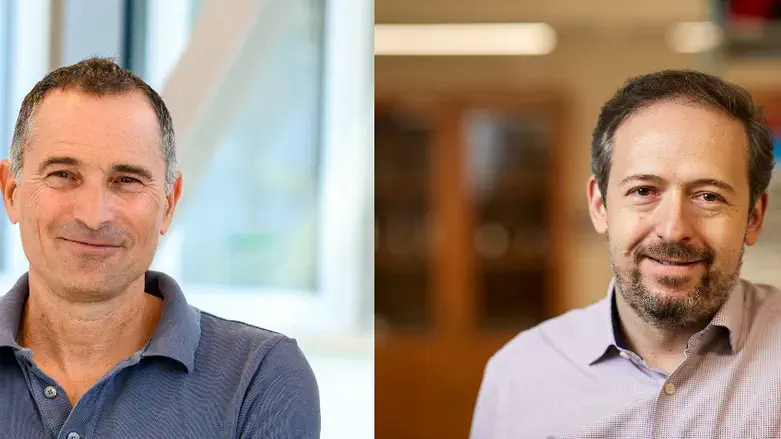
One of the key features of Alzheimer's is the accumulation of amyloid-beta protein deposits in the brain, as well as signs of inflammation in brain tissue. The research team, led by Professor Ido Amit from the Department of Systemic Immunology at the Weizmann Institute and Professor Jonathan Kipnis from the Washington University School of Medicine in St. Louis, and headed by postdoctoral fellow Dr. Pavel Boskovich, isolated T cells from a healthy mouse and genetically engineered them to recognize and respond to amyloid proteins in the brain.
The researchers injected the engineered cells into mice whose brains already contained amyloid-beta deposits characteristic of Alzheimer's. The injections led to a significant reduction in the deposits and a decrease in the inflammation markers in the brain tissue.
"This research is the first proof of feasibility for treating neurodegenerative brain diseases using CAR-T technology," says Professor Kipnis, a Weizmann Institute alumnus currently leading a research group in the United States. "This is an exciting step toward developing new treatments for Alzheimer's and other diseases, including ALS and Parkinson's."
"In future studies, we expect to demonstrate the use of engineered immune cells in the recovery from acute brain injuries and in promoting neural repair and regeneration," reveals Professor Amit. "These future findings are expected to strengthen the concept that CAR-T technology can serve as a broad therapeutic platform for brain diseases-from cancer to stroke and chronic neurodegenerative diseases."
The research was also conducted with contributions from research students Rotem Shalita and Mia Ben-Yehuda from Professor Amit's lab.