
The Knesset's Health Committee and the Committee for the Rights of the Child in the Knesset will hold a joint discussion Wednesday morning on the proposed reform of the early childhood intervention system, following increasing public criticism from parents, caregivers, and professionals.
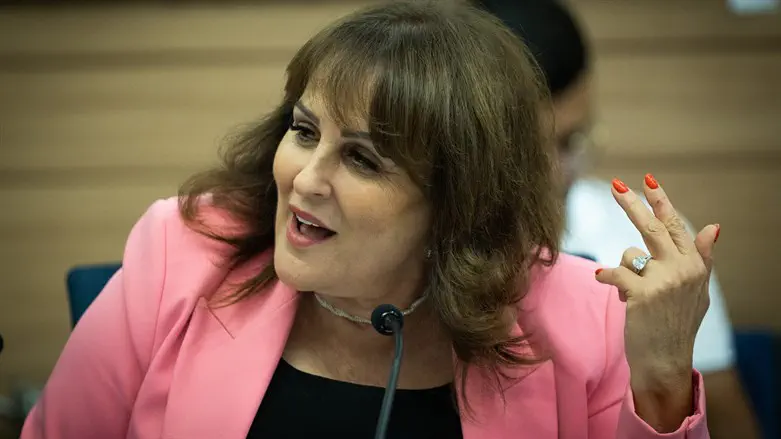
MK Keti Shitrit, who chairs the Committee for the Rights of the Child, told Arutz Sheva - Israel National News on Tuesday evening that the reform could harm children's basic rights.
"The reform of the early childhood intervention system may not only harm the right of Israeli children to receive medical treatment, but also carries severe implications for their future," she warned. "The early childhood intervention treatments, from birth to age 9, including physiotherapy and speech therapy, is not luxury treatment."
According to her, "These are essential and critical treatments to ensure the proper development of our children. Treatment not covered by health funds will require parents to spend thousands of shekels a month, and children who urgently need such treatments will not receive them."
Shitrit also noted the current situation in the public system, noting, "In previous discussions I held in the Committee for the Rights of the Child, I found that there is a severe shortage of therapists and that there are patients who have to wait for many months before receiving an appointment. The data I revealed speaks for itself: the highest rate of patients waiting more than three months for speech therapy treatment in Meuhedet Health Fund was 85%, and in Clalit Health Fund, it was 83%."
Stressing that delays in treatment have serious consequences, she explained, "We need to understand that a delay in access to treatment from a speech therapist for a child who needs it is devastating. That child may develop even greater difficulties, and their learning abilities could be harmed in the long term. It is clear that, given the fact that many children are already waiting a long time to receive the services they need, implementing the reform that will reduce funding for private treatments will lead to an escalation and an increased burden on existing therapists."
"In the joint discussion that will take place tomorrow in the committee, together with my colleague MK Limor Son Har-Melech, I will demand the Ministry of Health provide answers and ways to create a balanced reform that will protect the rights of all Israeli children to receive the necessary treatment to ensure their proper development."
Speech therapists also expressed sharp criticism of the reform Tuesday evening, telling Arutz Sheva, "The shortage of speech therapists in the public system does not stem from a lack of therapists, but from poor employment conditions, both in terms of salary that does not take into account professional development courses and workshops, which speech therapists fund privately, and in terms of working conditions: continuous treatments, where even 'breaks' are used for tasks like treatment planning, documenting treatments, writing reports, and such conditions drive therapists away from public service."
They also added in response to claims of financial relief for parents, "The claim that the reform is intended to save parents money is disconnected from reality, since in practice, parents will have to pay thousands of shekels a month for private treatment, because in the public system, there will be no available appointments, and children will not receive treatment on time, which could harm them in various ways - not only linguistically but also emotionally and socially, or the parents will still be forced to seek private treatment, except they will not be reimbursed for it."