

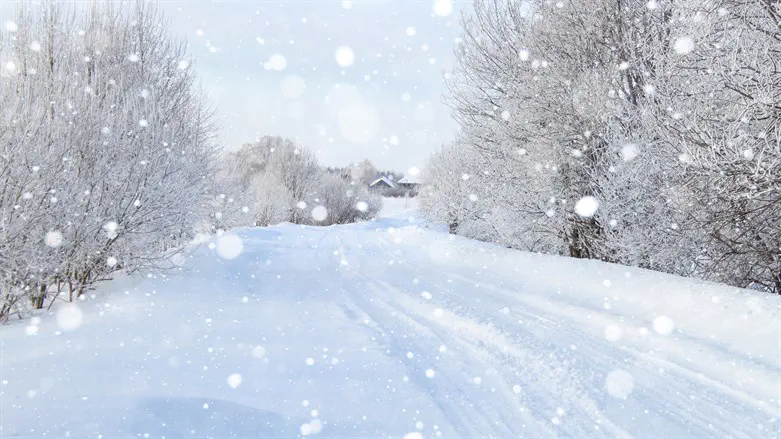
A massive winter storm is bringing widespread disruption across the United States over the weekend, forcing the cancellation of thousands of flights, knocking out power, and coating major roadways with dangerous layers of ice.
The National Weather Service warned that heavy snow, sleet, and freezing rain threatened nearly 180 million people - more than half the US population - from the southern Rocky Mountains to New England. Forecasters cautioned that the country should brace for several days of extreme cold, according to the Associated Press.
President Donald Trump approved emergency declarations for at least a dozen states, with more expected. Homeland Security Secretary Kristi Noem said FEMA had pre‑positioned supplies, personnel, and search‑and‑rescue teams across multiple states. “We just ask that everyone would be smart - stay home if possible," she said.
Officials across the South and East issued urgent warnings as crews worked to restore downed power lines. “We are expecting a storm the likes of which we haven’t seen in years," New Jersey Gov. Mikie Sherrill said, announcing travel restrictions and reduced highway speed limits. “It’s a good weekend to stay indoors."
Power outages climbed to around 120,000, including roughly 50,000 each in Texas and Louisiana. In Shelby County, Texas, ice‑laden trees snapped and fell onto power lines, leaving a third of residents without electricity.
Air travel collapsed nationwide, with about 13,000 flights canceled across Saturday and Sunday - the highest single‑day cancellations since the COVID‑19 pandemic. Major hubs including Dallas‑Fort Worth, Chicago, Atlanta, Nashville, and Charlotte saw severe disruptions. Nearly all Sunday departures from Washington’s Reagan National Airport were canceled by Saturday afternoon.
Georgia officials urged residents in the northern part of the state to stay off the roads for at least 48 hours. Gov. Brian Kemp deployed 120 National Guard members to the hardest‑hit areas.
The storm was forecast to move into the Northeast with snowfall exceeding one foot.
Windchills in the Midwest plunged to minus 40°F, with Rhinelander, Wisconsin, recording its coldest temperature in nearly 30 years.