

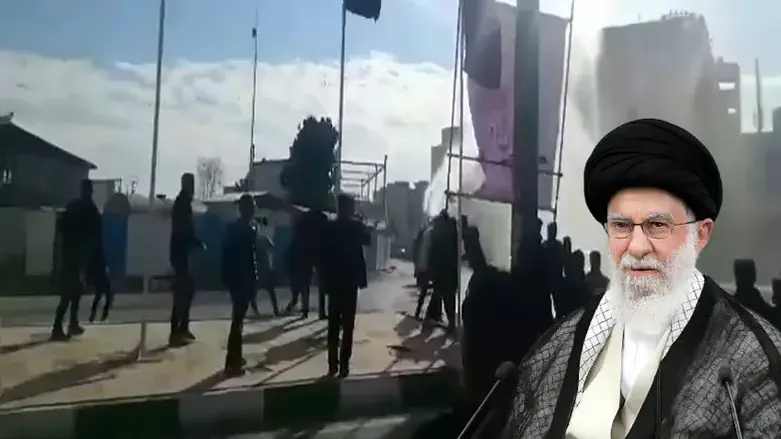
Iran’s leadership is confronting a mounting challenge as internal unrest coincides with heightened external military pressure, according to a report by the New York Times.
For years, the Islamic Republic has relied on force to suppress nationwide protests. The current wave, now entering its second week, has not yet reached the scale of the major uprisings in 2019 or 2022, but it has unsettled senior officials. The unrest is being driven largely by economic hardship, while Tehran simultaneously faces the threat of renewed confrontation with Israel and the United States.
Iranian officials are described as lacking a clear strategy to address either crisis. The report states that the government has shown no indication that it is prepared to make concessions on its nuclear program that could ease pressure from Israel and the US or reduce the likelihood of further military action.
President Donald Trump warned publicly that the United States would respond if Iranian authorities killed “peaceful protesters," declaring that Washington was “locked and loaded and ready to go." Israeli officials have also voiced support for the demonstrators, with members of the government issuing public statements backing the protests.
The New York Times report says Iran’s leadership was further shaken by recent US military action against Venezuela, a close Iranian ally, viewing it as a signal of Washington’s willingness to act decisively. Iranian political figures reportedly fear that continued instability at home could invite additional pressure or strikes from abroad.
Citing Iranian officials familiar with internal deliberations, the report says the Supreme National Security Council convened an emergency meeting to consider ways to contain the protests with less violence while preparing for possible military escalation. Senior officials privately acknowledged that the regime had entered what they described as a survival phase.
President Masoud Pezeshkian has publicly admitted the depth of the crisis, saying he had “no ideas" for solving Iran’s many problems and urging officials to listen to public grievances. Measures taken so far, including changes in economic leadership and currency policy, have had a limited effect, the report said.
At the same time, Supreme Leader Ayatollah Ali Khamenei adopted a tougher tone, calling for rioters to be confronted while blaming foreign enemies for Iran’s economic decline, according to the report.
The unrest began with strikes by merchants in Tehran’s central bazaar and has since spread to other cities, particularly poorer areas and university campuses. The report cites Iranian media, social media footage, and rights groups as saying that clashes with security forces have intensified, resulting in deaths among both protesters and security personnel.
Analysts quoted in the report warned that the combination of economic collapse, public anger, and international pressure has left Iran’s leadership with few viable options. Iranian officials told the New York Times that fears are growing in Tehran that prolonged instability could create an opening for renewed Israeli action, deepening the country’s already severe crisis.