

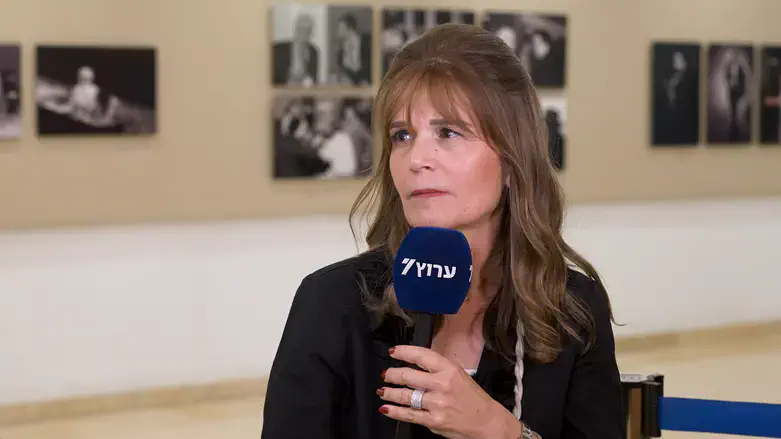
MK Michal Woldiger (Religious Zionist Party) expressed no surprise at Hamas’s violation of the ceasefire agreement. “We made several mistakes by releasing terrorists and withdrawing to the yellow line before receiving all the hostages, both living and deceased,” she told Arutz Sheva-Israel National News at the Knesset.
Following these missteps, Woldiger emphasized the need for a firm response to every violation of the agreement. “We’re once again returning to a mindset where they massacre and attack us, and we either respond meaningfully or not - and then go back to routine,” she said.
Woldiger also discussed her efforts during the parliamentary recess to support reservists and improve their conditions. “When they go out for reserve duty, they’re supposed to receive wages from both their employer and for each day of service. The state corrected an injustice where reserve days artificially inflated the salary base - that needed fixing. But the amendment was worded in a way that caused more harm than good and ended up hurting reservists. That’s what I’m working to fix - to ensure no reservist is harmed. We admire and appreciate them, and this will be addressed.”
She noted that Israeli society and the state know how to honor and salute reservists. “We’ll continue to support them - not only financially, but with warm embraces and care for the injured, whether physically or emotionally,” Woldiger said, adding that mental health assistance should also be extended to civilians suffering from trauma, despite the current shortage of professionals. “We’re doing everything we can to provide a safety net - for soldiers, and also for civilians.”
Woldiger outlined a program she developed to address future mental health challenges, particularly focusing on strengthening the resilience of Israeli children. “So they can better cope not only with difficult challenges, but also learn to dream, fulfill those dreams, flourish, and grow.”
She warned that mental health difficulties are expected to intensify, especially once the war ends and the widespread social support begins to fade. Among the most concerning issues is suicidality, which she said must be addressed openly. “The question is how to talk about it, and what to talk about. Speaking about it doesn’t make it contagious. We don’t need to describe how a suicide happened, but we do need to talk about the support that exists and what help should be sought when things are difficult.”
Woldiger also highlighted specialized rehabilitation and support programs that do not require hospitalization but offer proper community-based care. “Pain can and must be treated,” she said, encouraging anyone struggling with suicidal thoughts to seek help from treatment centers that provide what she described as “a spark of life.”