
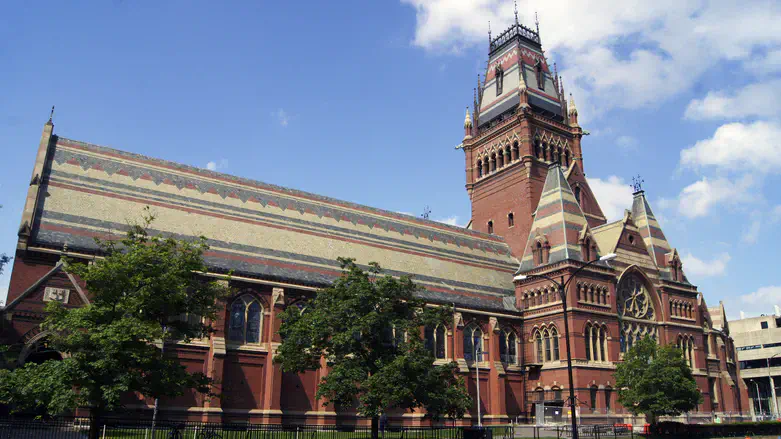
In a federal courtroom in Boston on Monday, Harvard University challenged the Trump administration’s decision to freeze more than $2 billion in federal research funding, arguing that the move is unlawful and threatens vital scientific and medical projects, NPR reported.
The administration cited Harvard’s alleged failure to address antisemitism on campus as grounds for the funding halt, claiming violations of Title VI of the Civil Rights Act. Harvard’s attorneys countered that the administration is overreaching in an attempt to exert control over academic governance.
Judge Allison D. Burroughs appeared skeptical of the government's rationale, questioning how halting cancer research relates to combating antisemitism. Administration lawyer Michael Velchik maintained that redirecting funds to institutions that align with government priorities is within federal authority. “Harvard wants billions of dollars. That’s the only reason we are here,” said Velchik.
Harvard's legal filings argue the government violated the Administrative Procedure Act by failing to follow proper protocols before revoking funding. The university also claims a First Amendment breach, accusing the administration of interfering with academic freedom.
Following the hearing, President Donald Trump criticized Judge Burroughs, an Obama appointee, on social media, calling her “a TOTAL DISASTER” and vowing to appeal if Harvard prevails.
The funding freeze affects over 900 research projects, including studies on Alzheimer’s, cancer, military defense, and public health.
The Trump administration has taken several steps against Harvard University in the wake of its failure to handle growing antisemitism on campus.
In addition to the funding cuts, Trump has also advocated for revoking the university's tax-exempt status.
Earlier this month, the Trump administration announced that the Department of Homeland Security (DHS) intends to issue subpoenas for information concerning alleged misconduct by foreign students at Harvard.
Another step involved a proclamation that bars new foreign students from entering the United States to attend the university. A federal judge has temporarily blocked the administration from implementing the proclamation.
Harvard recently published two internal reviews detailing incidents of discrimination against Jewish, Muslim, and Arab students during last year’s protests. The reports found that some students feared marginalization for expressing political views.