
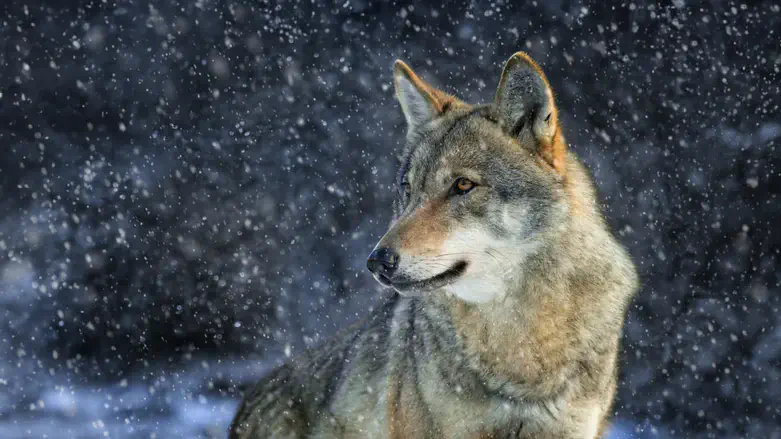
In a landmark experiment that pushes the boundaries of genetics and conservation, scientists at Colossal Biosciences have created living animals with characteristics of the extinct dire wolf — a species that disappeared more than 13,000 years ago and captured the public imagination thanks to the hit series Game of Thrones.
The Dallas-based company used DNA recovered from ancient dire wolf fossils to edit the genes of gray wolves, as reported by The New York Times. They modified 20 specific genes linked to traits such as size and coat color, creating embryos that were then implanted into surrogate dogs. The result: three healthy wolf pups named Romulus, Remus, and Khaleesi.
Although these pups are not exact clones of dire wolves, they possess significant physical similarities. They are larger than typical gray wolves and have dense, pale fur not seen in their modern counterparts. Colossal is currently housing the animals on a private 2,000-acre site in the northern US.
“This is the first successful case of de-extinction,” said Dr. Beth Shapiro, Colossal’s chief scientific officer. “We’re not cloning — we’re recreating the functional features of an extinct species using modern science.”
The project builds on earlier breakthroughs. In 2021, scientists retrieved DNA from dire wolf fossils for the first time. By 2023, Colossal had shifted focus to dire wolves, a closer relative to dogs and thus more accessible for experimentation. Researchers struck genetic gold with two fossils: a 13,000-year-old tooth from Ohio and a 72,000-year-old skull from Idaho.
Analysis showed that dire wolves split from the lineage of modern wolves, jackals, and wild dogs about 4.5 million years ago but later interbred with gray wolves and coyotes. While dire wolves share over 99% of their DNA with gray wolves, 80 genes stand out, some of which affect size and fur characteristics.
The project is part of Colossal’s broader mission, which includes attempts to revive the woolly mammoth and the dodo. Though the dire wolf pups will remain in captivity, the genetic techniques developed could one day assist conservation efforts for critically endangered species like the red wolf.
While one pup died shortly after birth due to a non-genetic issue, the others are thriving. Scientists will closely monitor their development for any unexpected effects.
Whether animals like these could adapt to life in the wild remains uncertain, but this achievement marks a major step forward in the emerging field of de-extinction science.