

The Knesset plenum last night (Tuesday) approved the Arrangements Committee's recommendation to appoint nine temporary deputy Knesset speakers, by a vote of 38 to 15.
However, the list of deputies included no representative of the Religious Zionism party, despite the party having won six seats in the election, the same number as Shas, which secured a deputy speaker position.
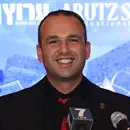
Arutz Sheva - Israel National News has learned that this was due to a request to split from the faction submitted yesterday by MK Moshe Feiglin to Arrangements Committee Chairman MK Roy Folkman. Following the request, Religious Zionism was counted as having only five MKs, rather than six, for the purpose of allocating the positions.
Sources familiar with the details explained that Feiglin could have delayed the move, allowing the party to use its full strength as a six-member faction when positions in the Knesset Presidium were allocated.
Of the nine deputies approved, five belong to the Eisenkot bloc: MK Eitan Ginzburg of Beyahad, MK Yair Fink of The Democrats, MK Oded Forer of Yisrael Beytenu, MK Walid Taha of the UAL and MK Ahmad Tibi of the Joint List.
The four deputies from the right-wing bloc are MK Yitzhak Pindrus of United Torah Judaism, MK Yaakov Bardugo of Likud, MK Limor Son Har-Melech of Otzma Yehudit and MK Michael Malkieli of Shas. Religious Zionism, led by Bezalel Smotrich, was left without representation on the list.
In a letter sent yesterday to the Arrangements Committee chairman, Feiglin requested approval to split from the Religious Zionism faction and to be recognized as a member of a separate faction named "Zehut" in the 26th Knesset.
Feiglin explained that he had run in the election as part of the joint slate, "Religious Zionism led by Bezalel Smotrich and Zehut led by Moshe Feiglin", and that his affiliation with the party, "Zehut - An Israeli Jewish Movement", had already been noted when the slate was submitted to the Central Elections Committee.
He said the agreement bringing the parties together had also been submitted with the slate, allowing the split under the provisions of the Knesset Law.